Tydzień roztrenowania który przychodzi w samą porę You Keep Skipping
Zaplanowany na koniec każdego bloku, niezależnie od tego, czy masz na to ochotę.
Jakim typem sportowca jesteś?
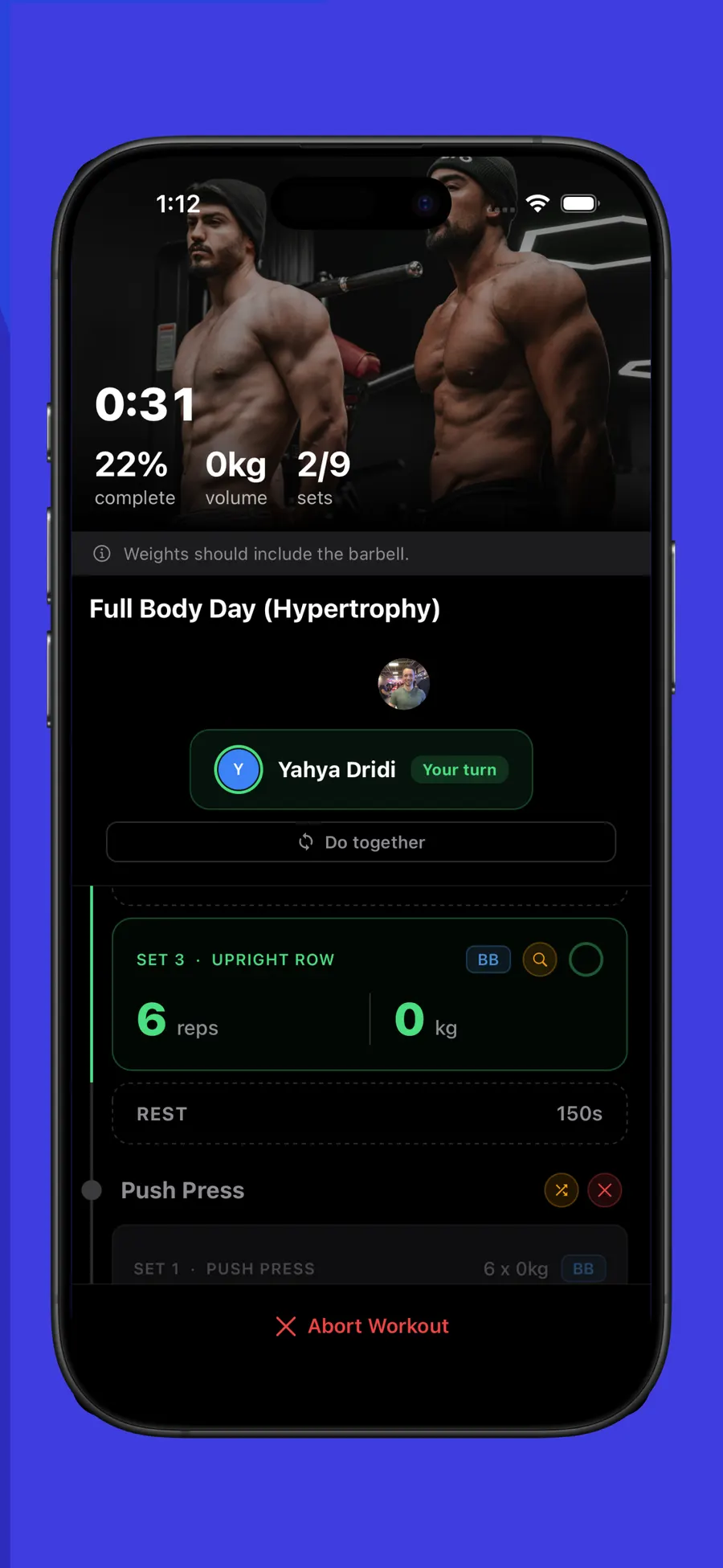
Nie tylko dziennik treningowy. Społeczność treningowa.
Workout With Me to Twoja wszechstronna aplikacja treningowa: znajdź ludzi do wspólnych ćwiczeń i pozwól, by S.H.A.R.P zaplanował każdą sesję wokół Twojej regeneracji.
- Śledzenie treningów
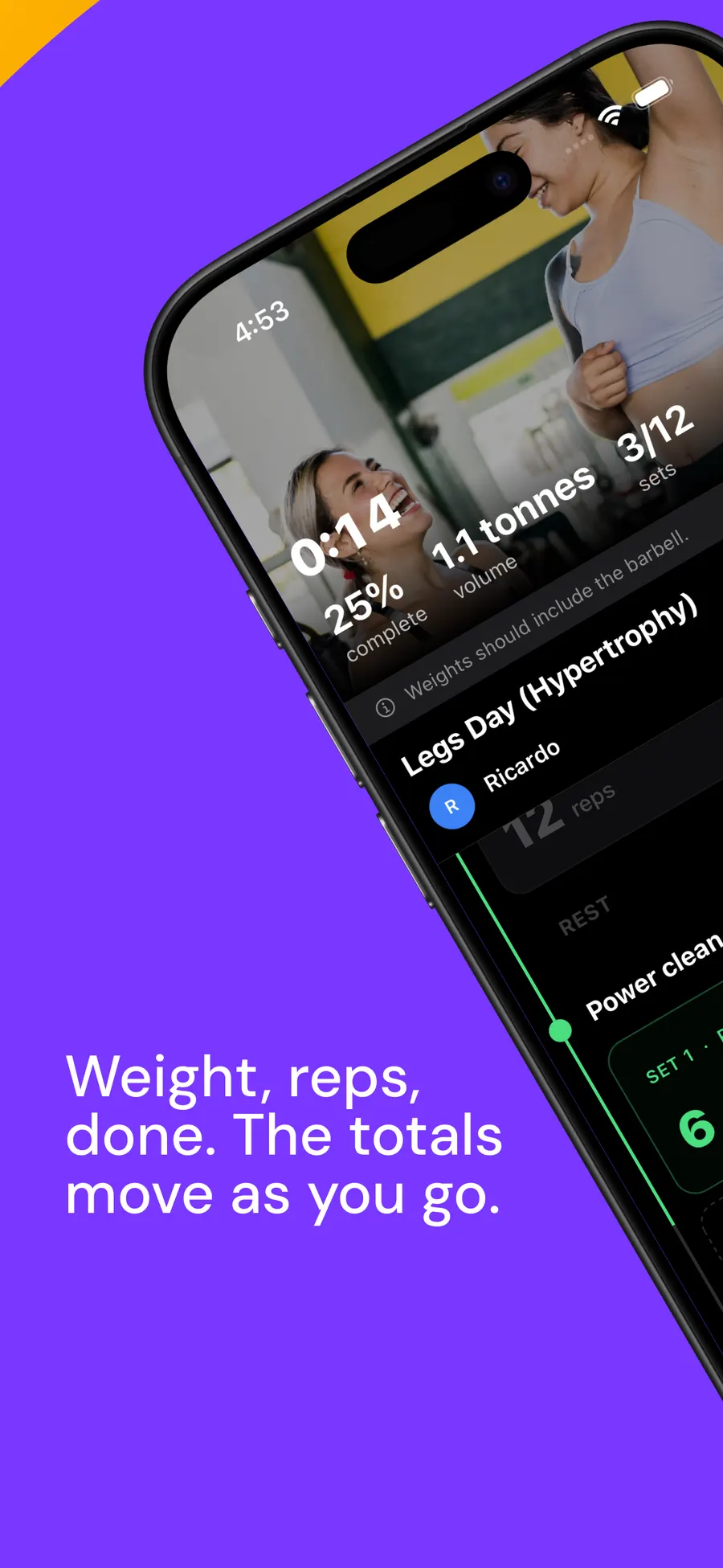
- Zapisywanie serii, powtórzeń i ciężaru
- Biblioteka ćwiczeń
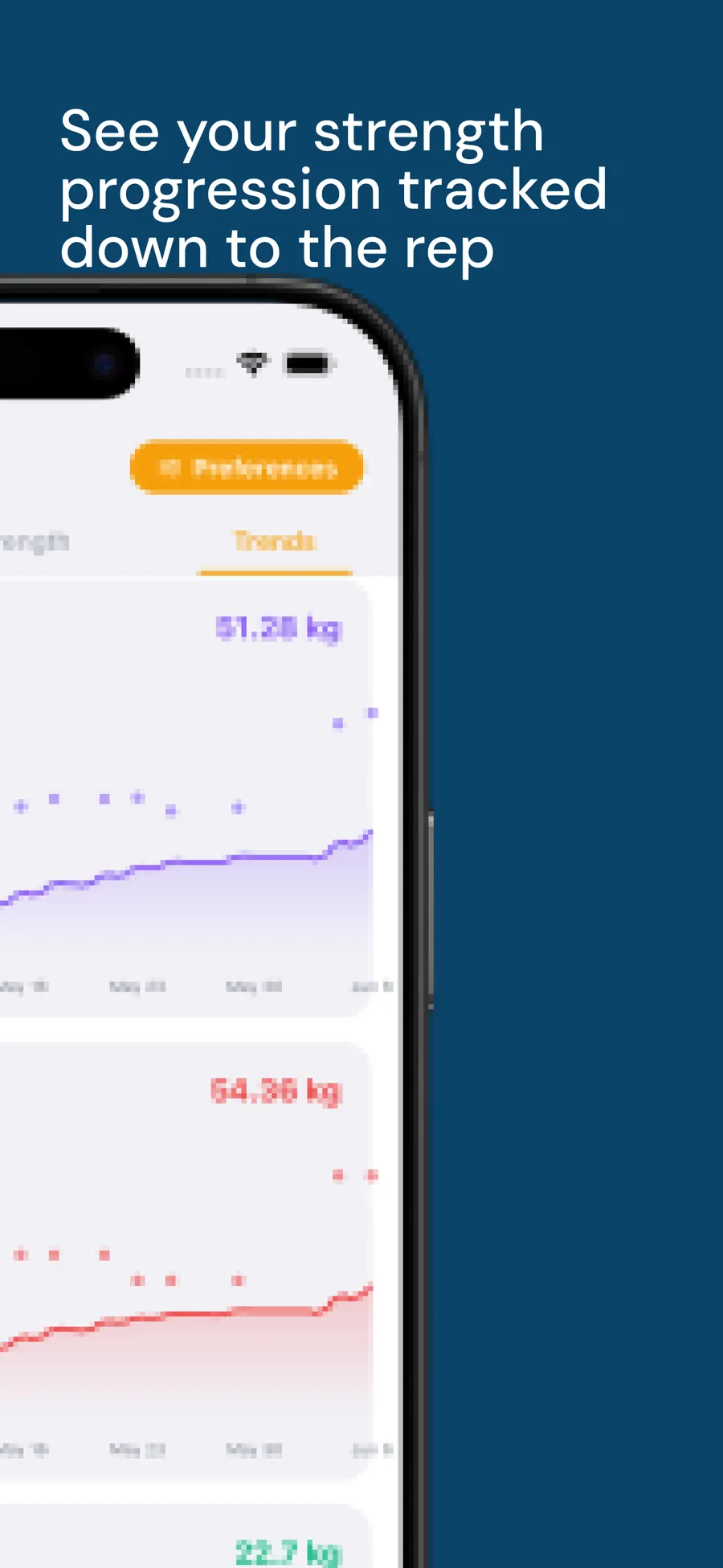
- Wykresy objętości i historii
- Stoper do odpoczynku
- Odznaki za rekordy życiowe (PR)
- Szacowanie spalonych kalorii
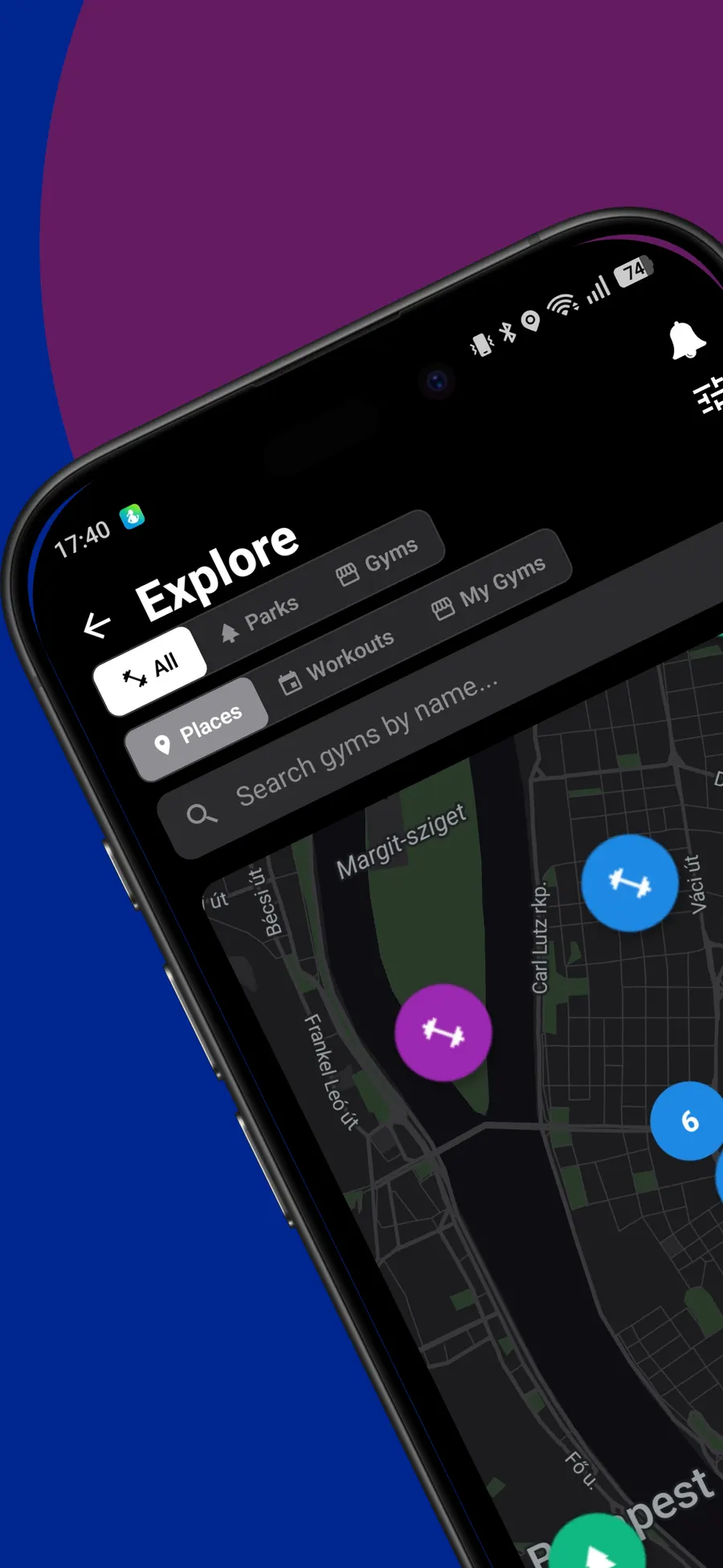
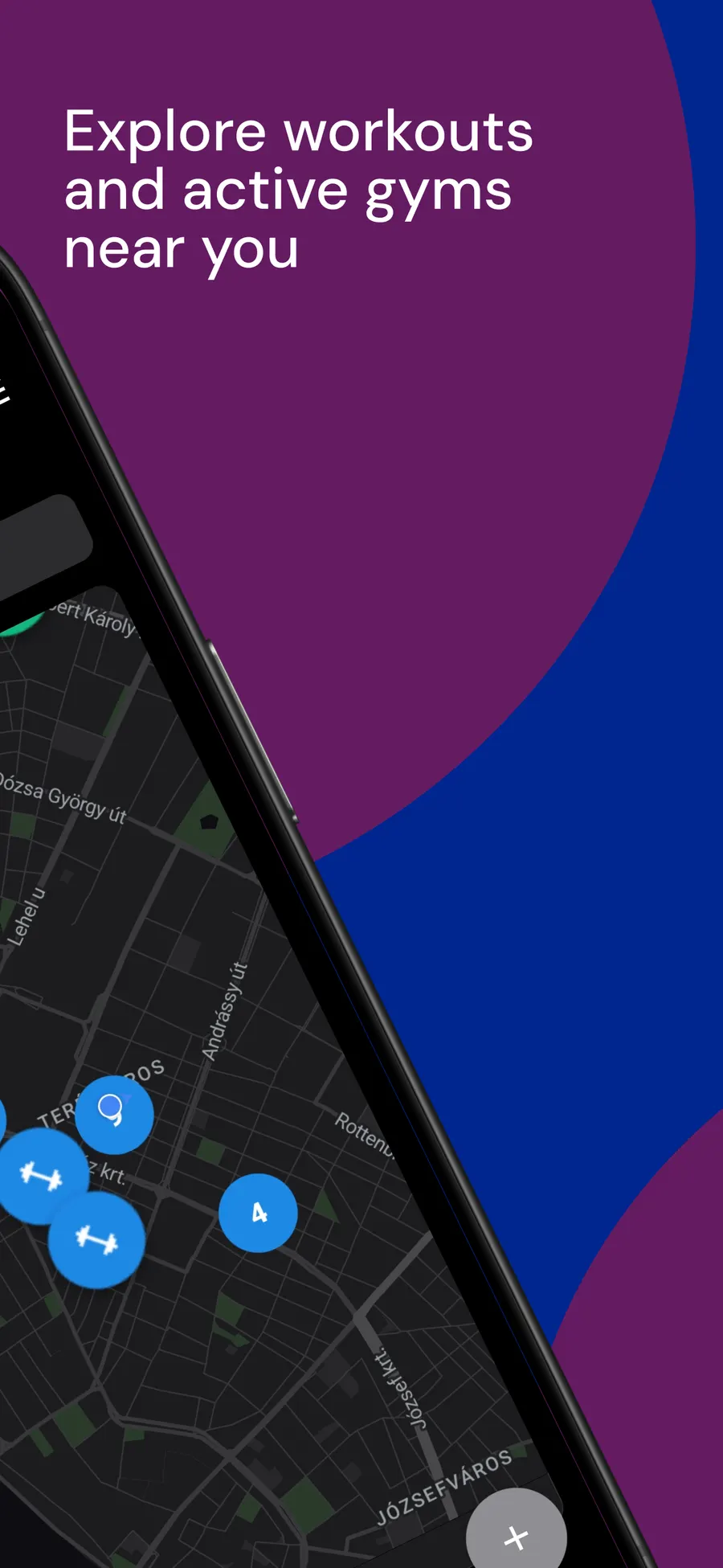
- Klubowicze i atleci kalisteniki w Twojej okolicy
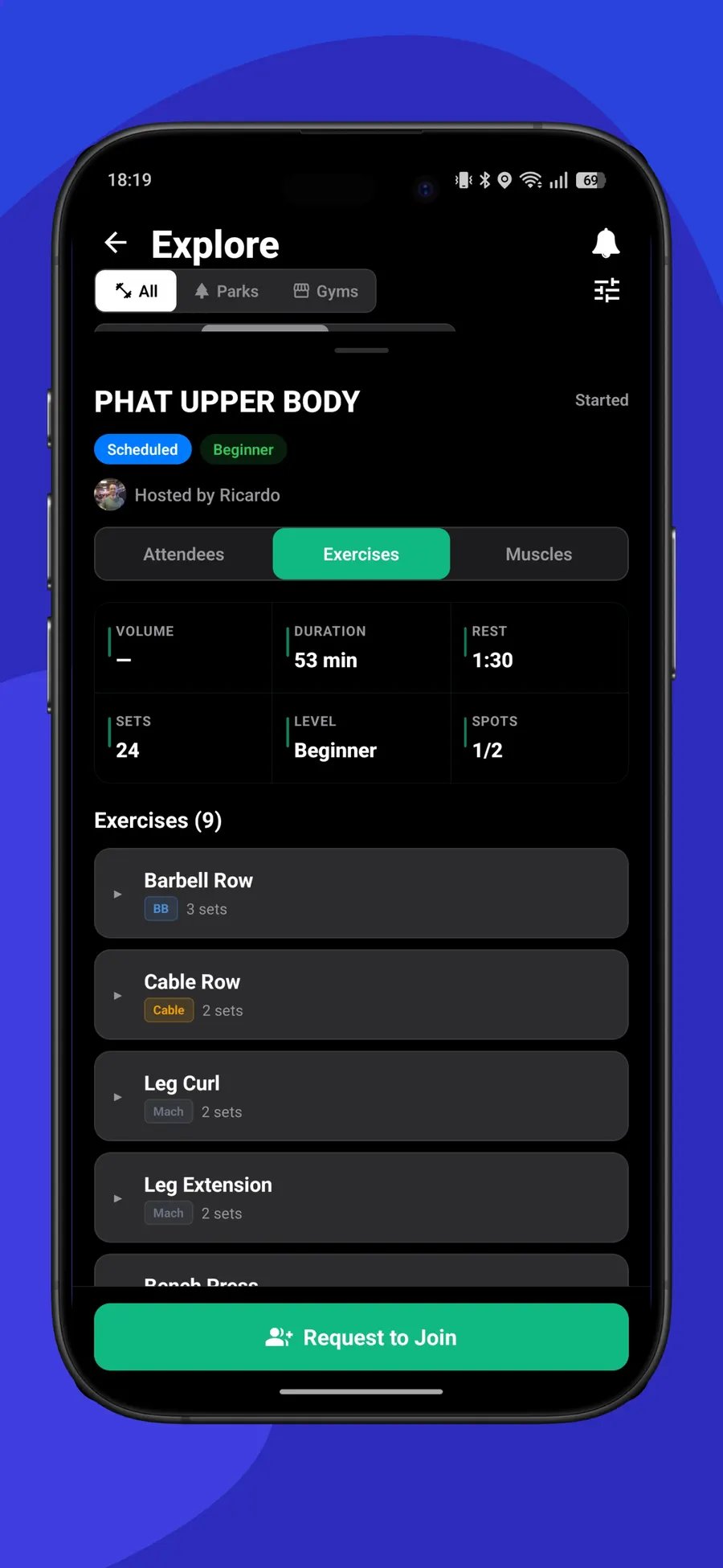
- Dołącz lub zorganizuj trening jednym dotknięciem
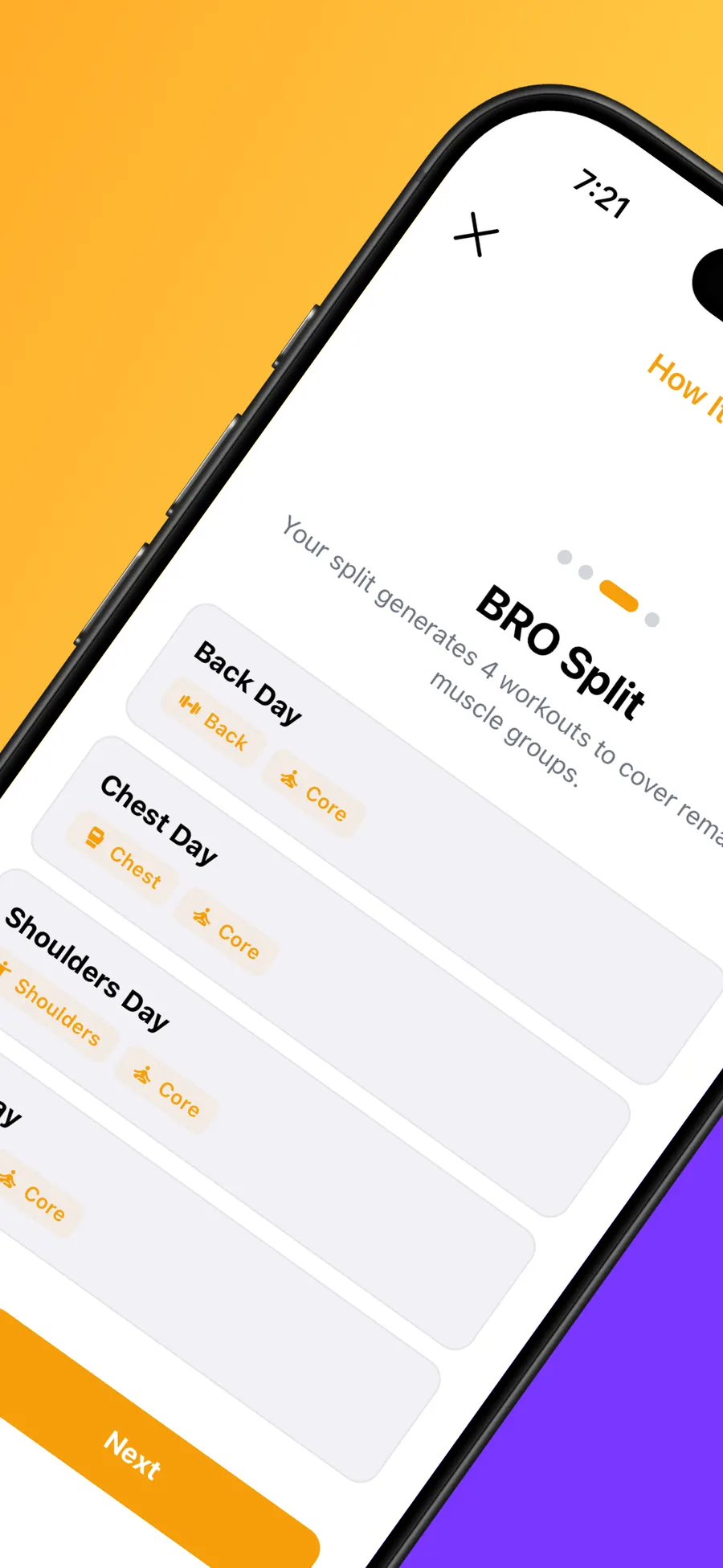
- Trening oparty na regeneracji 19 grup mięśniowych
- Silnik premium oparty na badaniach, który planuje kolejną sesję
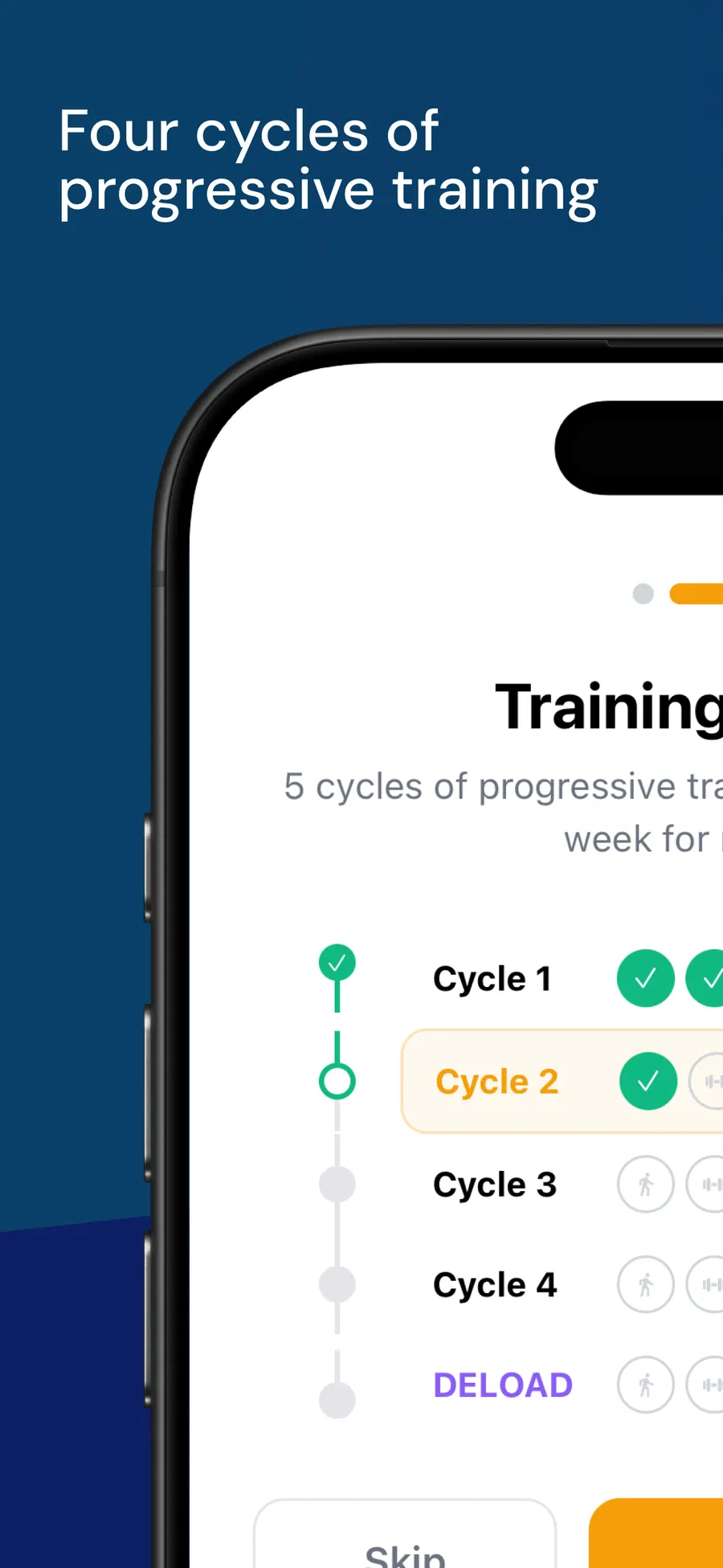
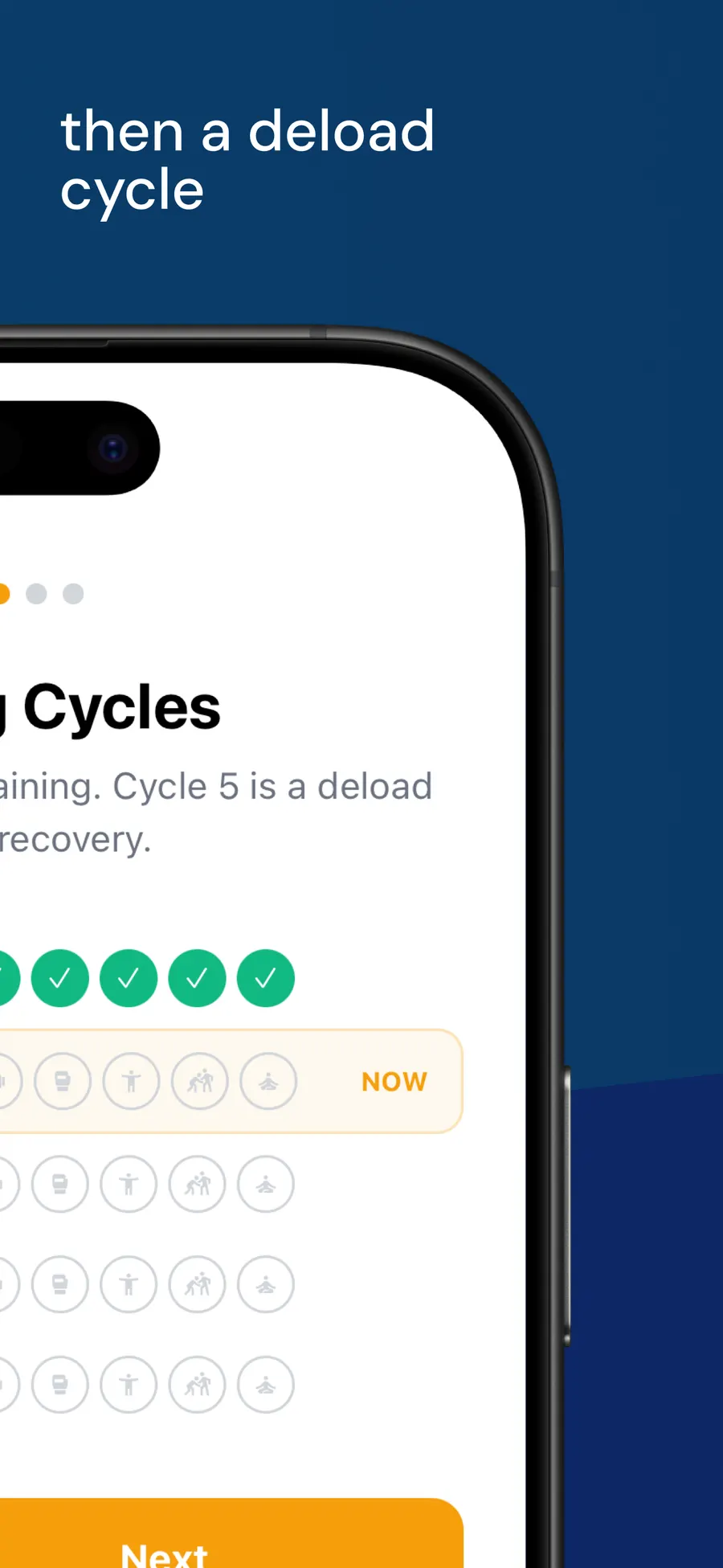
- Programy premium z progresywnym przeładowaniem i wbudowanym deloadem
Ludzie już trenują razem
Zacznij w 3 prostych krokach
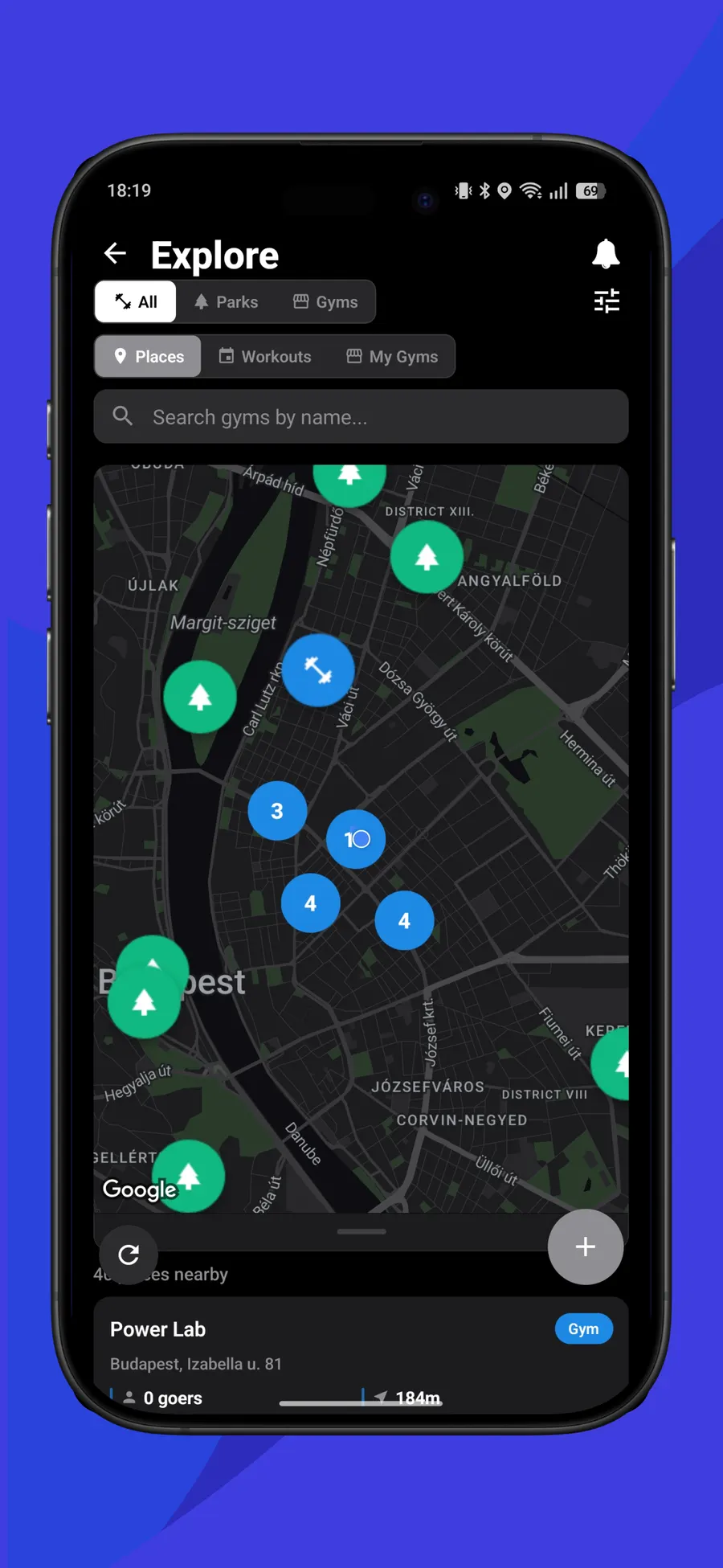
Stwórz trening na siłowni lub w parku
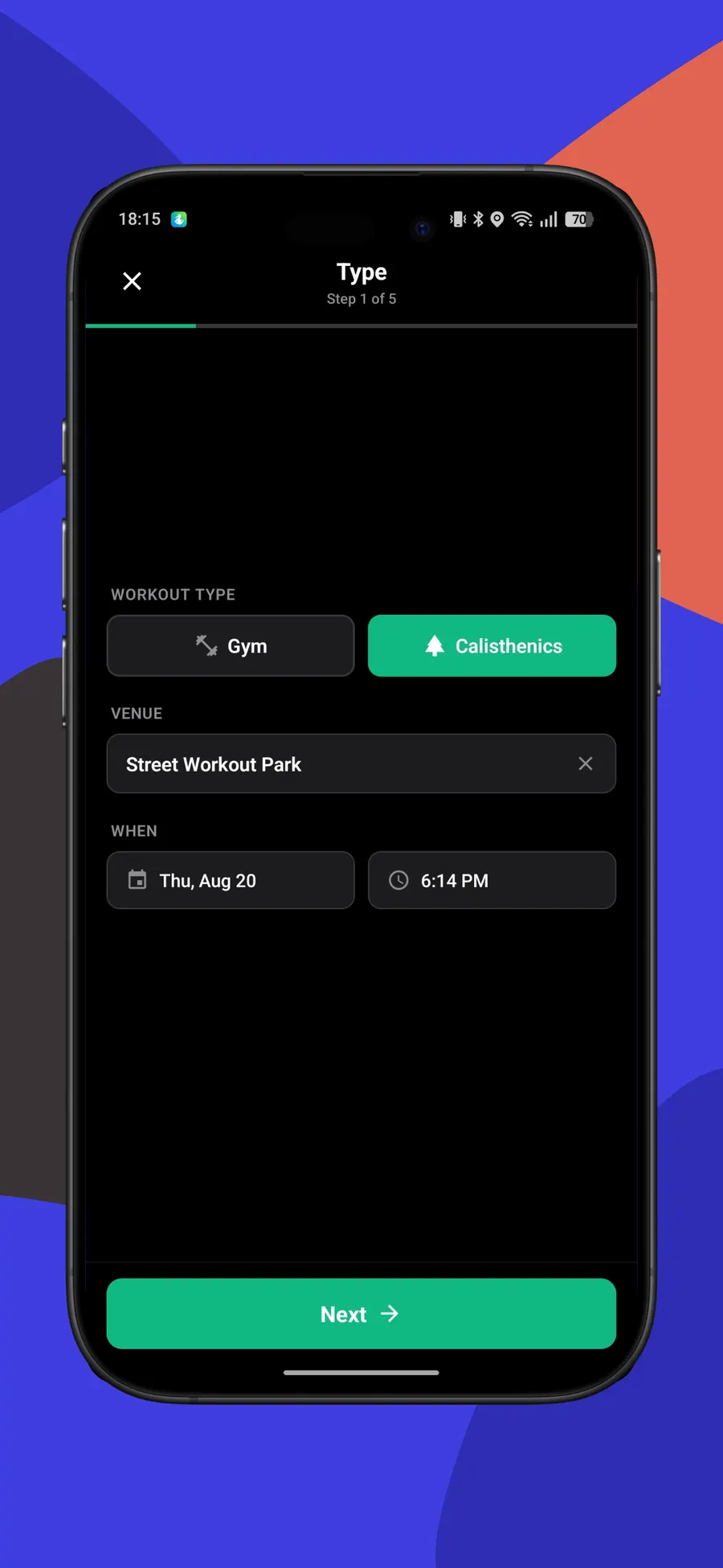
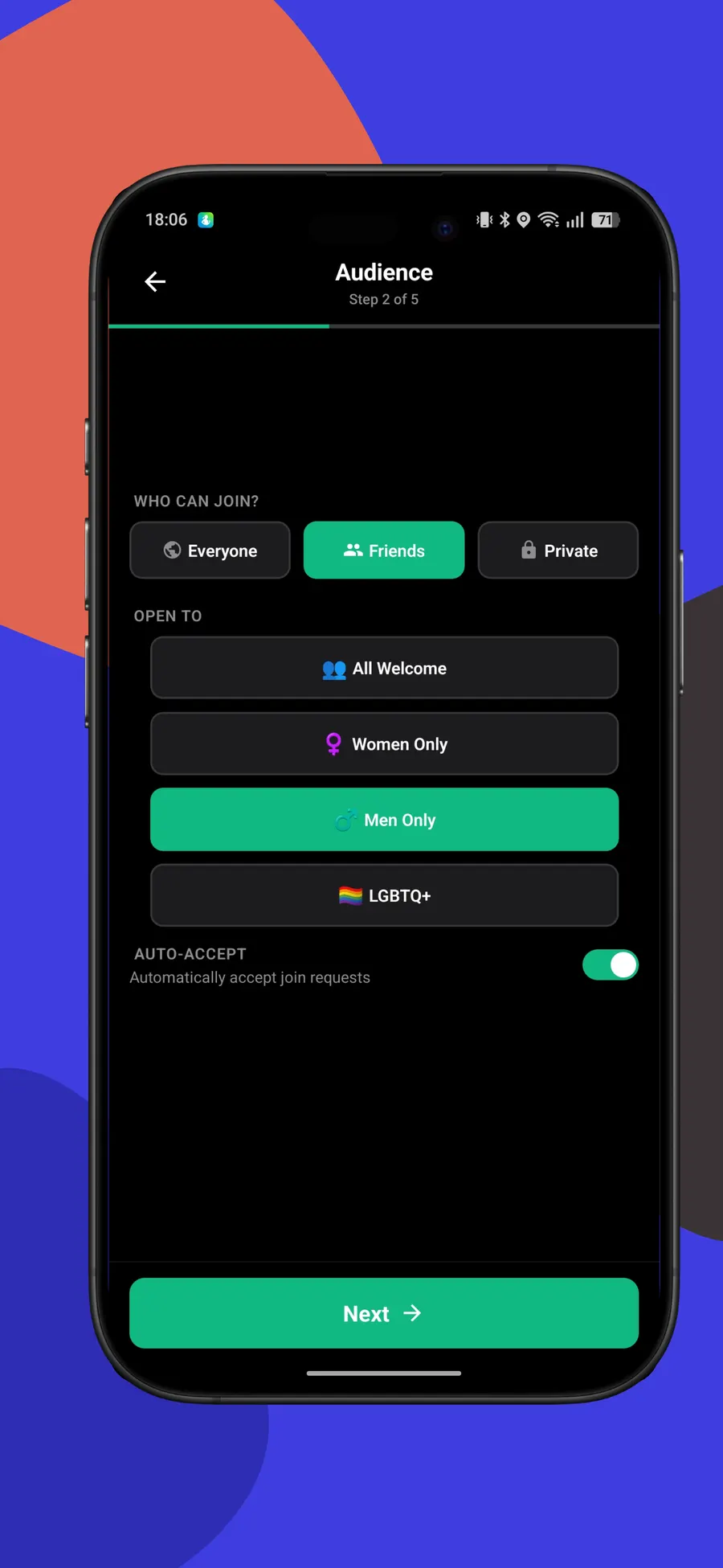
Wybierz dokładnie, kto może dołączyć
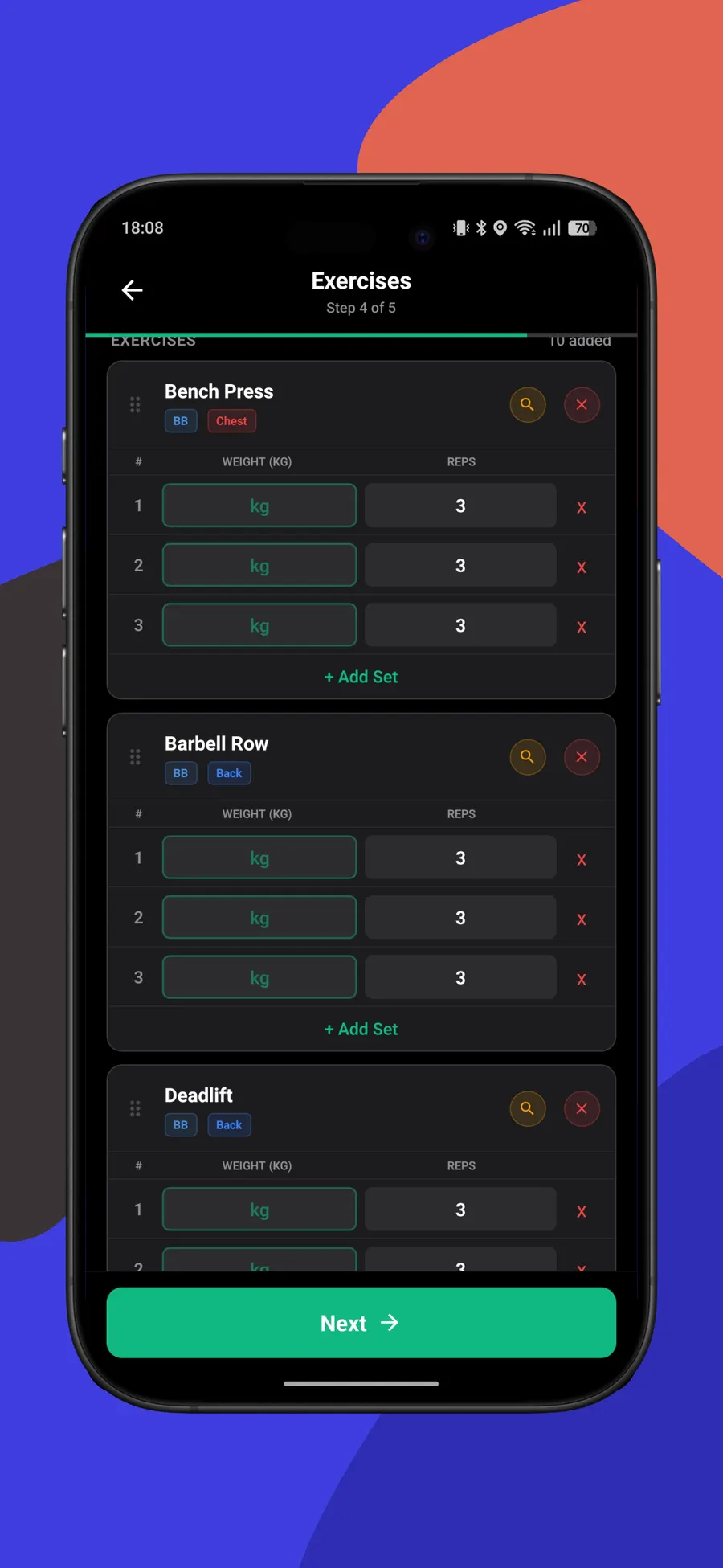
Ustal ćwiczenia, serie i powtórzenia
Więcej od Workout With Me
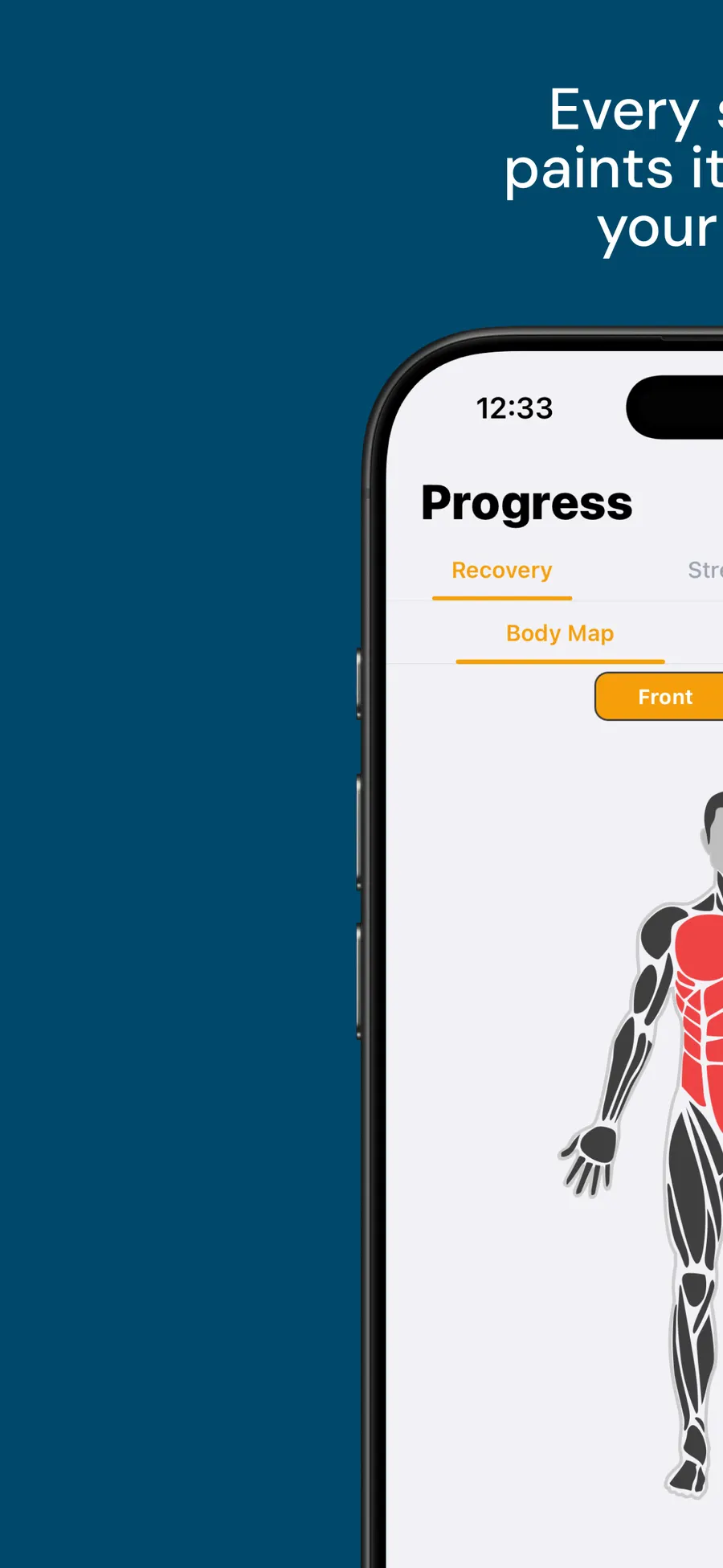
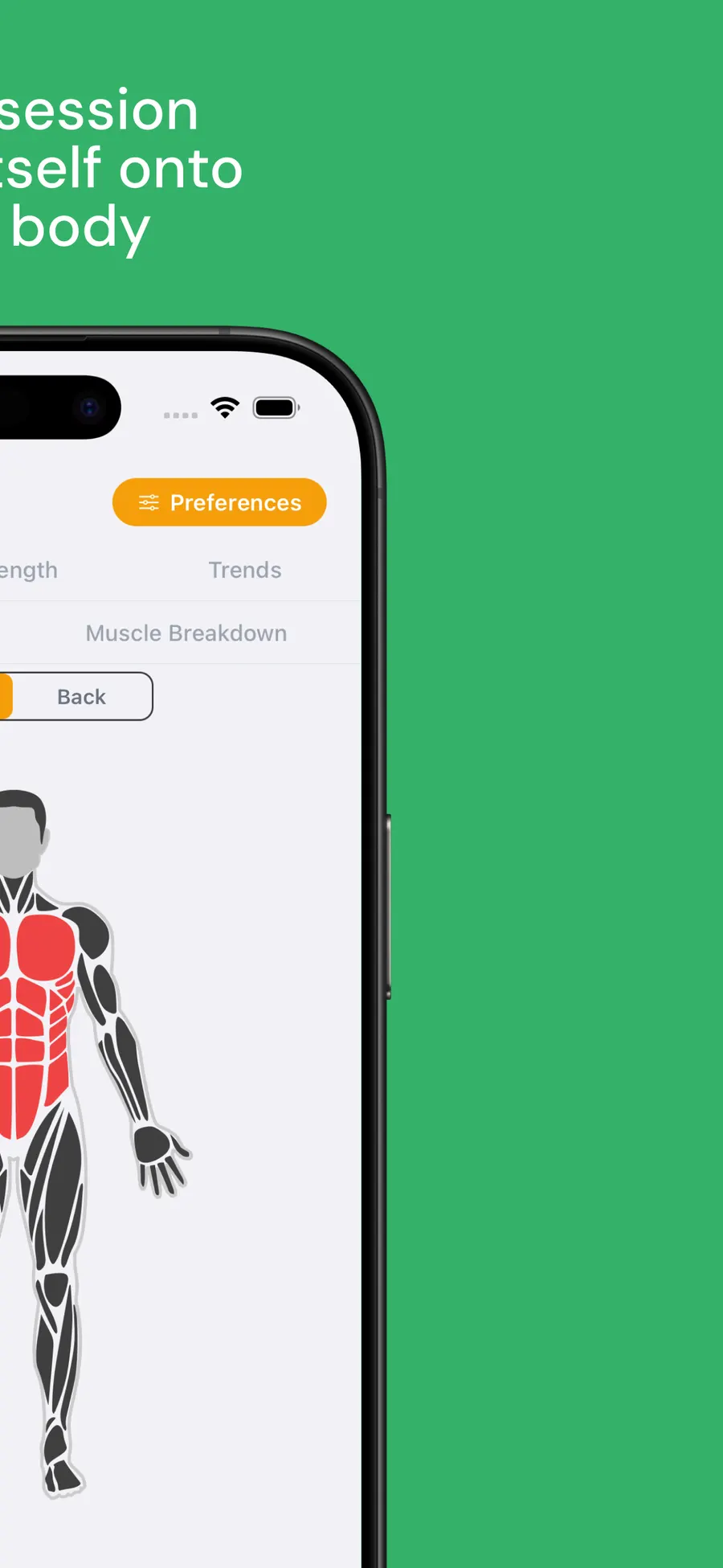
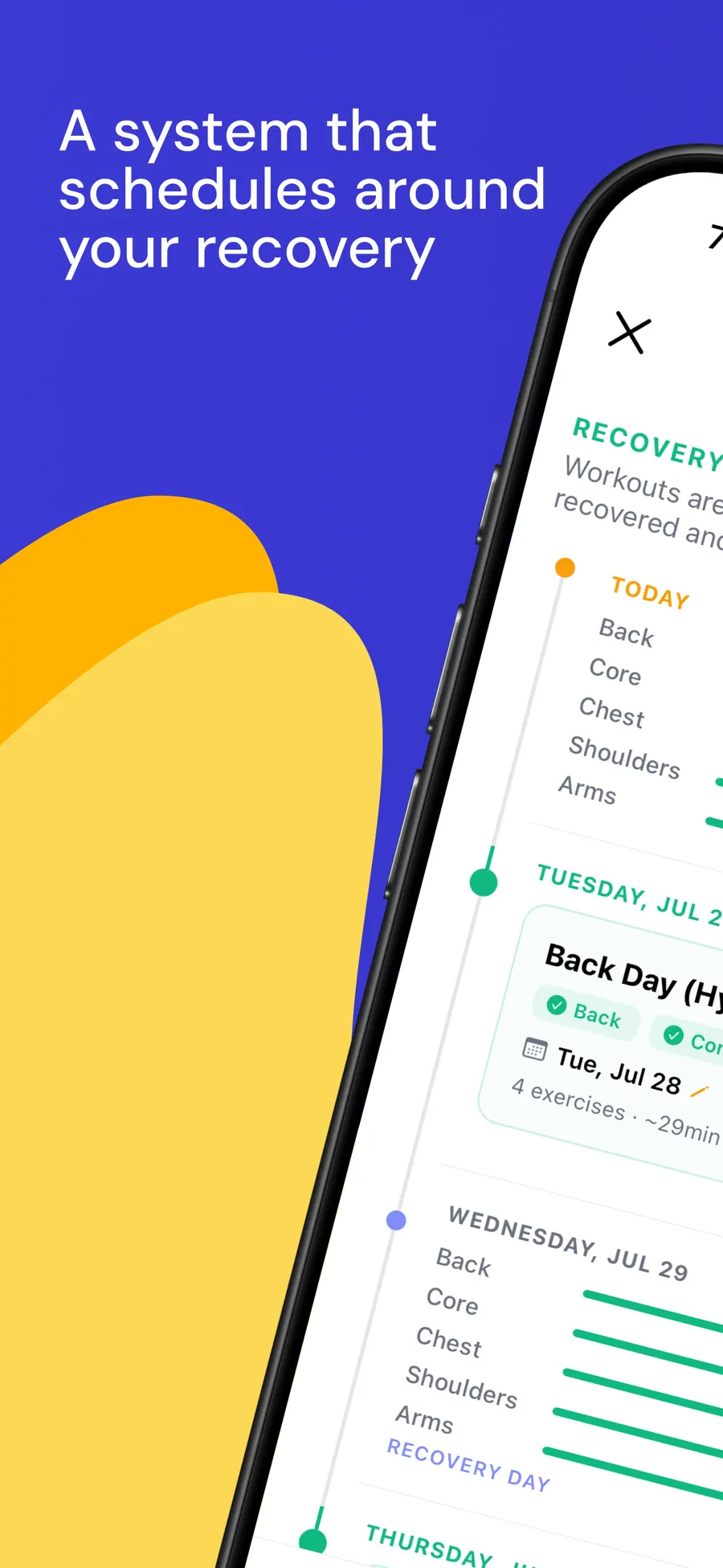
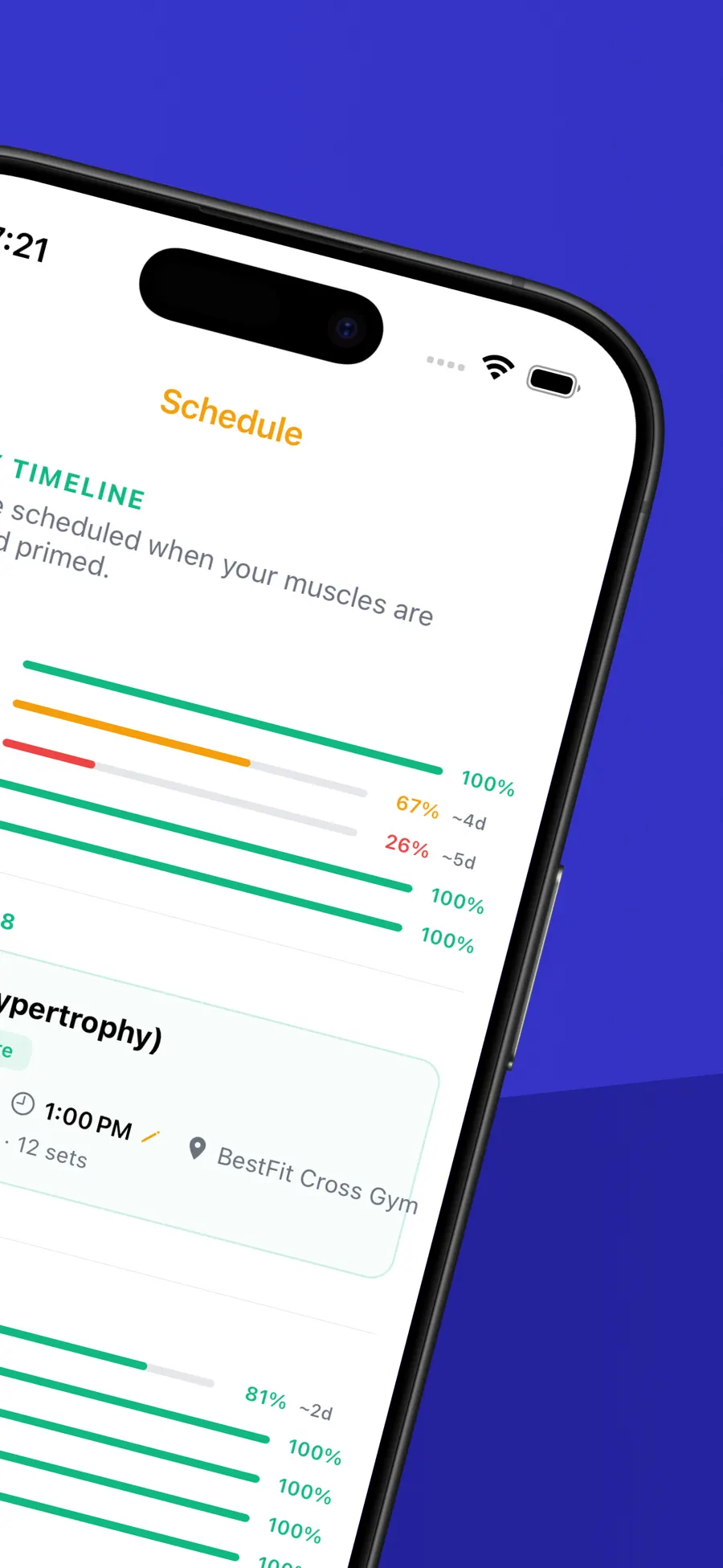
Trening dopasowany do regeneracji
Silnik S.H.A.R.P planuje każdą sesję na moment, gdy Twoje mięśnie są naprawdę gotowe, a nie według sztywnego kalendarza.
Odkrywaj dalej Workout With Me
Najważniejsze wnioski
- A deload is a planned stretch of reduced intensity that lets accumulated fatigue clear without losing the training habit.
- Skipping deloads tends to extend plateaus and raise injury risk rather than accelerate progress.
- Run one by keeping the movements and schedule, dropping the load, raising the reps, and staying well short of failure.
- Workout With Me makes the fifth cycle of every block an automatic deload with lighter weights and higher reps.
- Auto Deload watches for fatigue between scheduled deloads, and safety floors stop a deload becoming a permanent step back.
Czym jest Deload Week?
A planned period of reduced training intensity or volume, usually around a week, that allows accumulated fatigue to dissipate while maintaining movement patterns and training frequency, so the lifter returns to hard training fresher rather than progressively more worn down.
What a Deload Actually Is. A stretch of training where you deliberately back off the intensity so accumulated fatigue can clear. You keep moving and you keep the pattern, you just stop pushing. Lighter weight, more reps, nothing near failure. It is not a week off and it is not a punishment.
Why Skipping It Costs You. Fatigue accumulates faster than you notice. Progress flattens, your usual working weight starts feeling heavy, sleep gets worse and small joint niggles turn up. Push through that and you don't break a plateau, you extend it, and eventually something gives. A deload is the cheap version of the break you'll otherwise be forced into.
The Signs You Needed One Last Week. Weights that felt fine a fortnight ago feel heavy. Your warm-up sets take longer to feel right. Motivation to train drops off for no obvious reason. Sleep gets shallow and you're irritable. Nagging aches that don't belong to any single session. Any two of those together is a signal.
How to Run One. Keep the same movements and the same schedule so you don't lose the groove. Drop the load meaningfully, take the reps up, and leave plenty in the tank on every set. The goal is to move well and feel fresh by the end, not to sneak in extra volume because the weight is light.
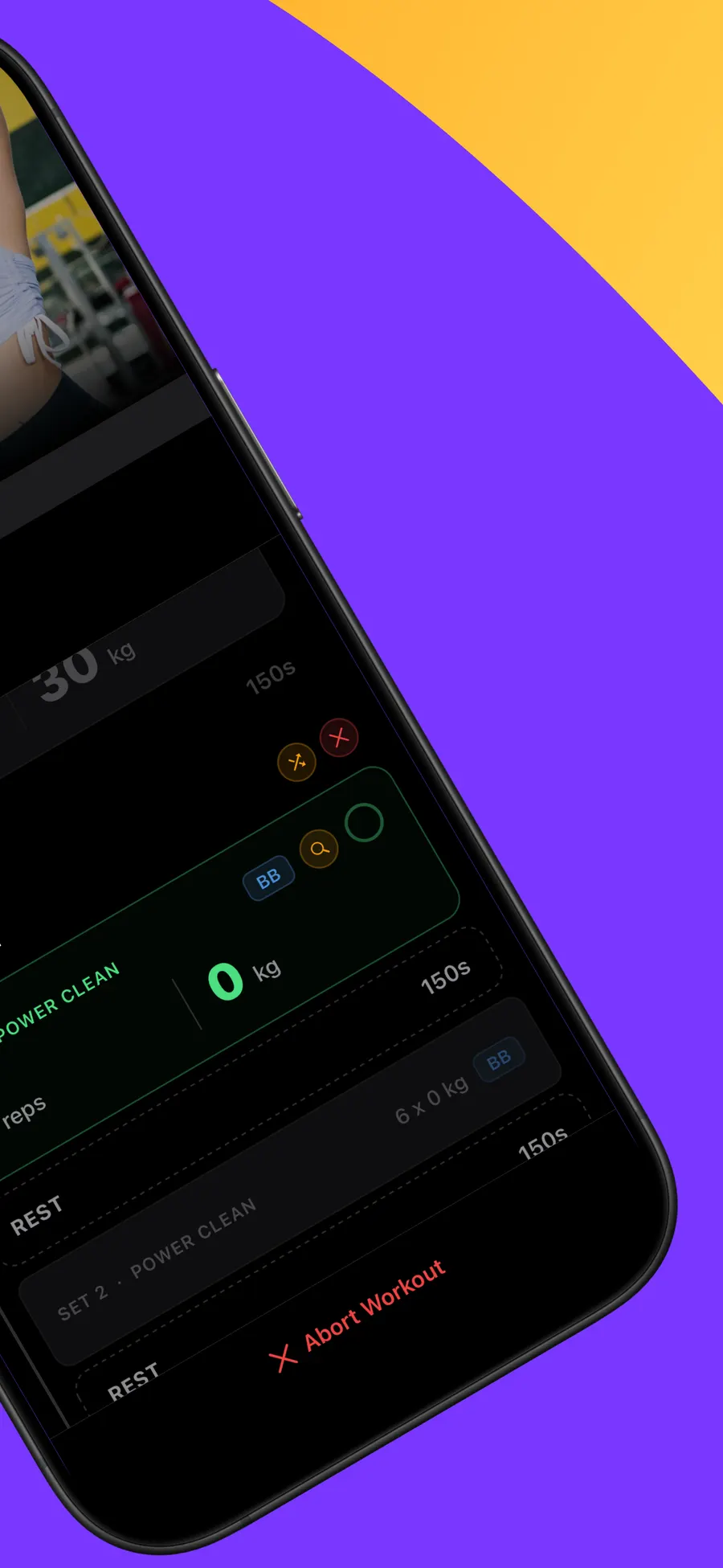
The App Just Does It. A training cycle in Workout With Me completes when you've trained all six muscle categories, however long that takes you. After four of those, the fifth cycle is automatically a deload: lighter weight, higher reps, prescribed for you. You don't have to notice you need it or find a good week for it.
And It Watches for the Early Signs. Turn on Auto Deload in your S.H.A.R.P preferences and the engine also watches for accumulated fatigue between scheduled deloads, pulling the weights back before you dig yourself into a hole. When the block picks back up, safety floors stop the deload from turning into a permanent step down.
Ponieważ progresywne przeładowanie kumuluje zmęczenie wraz ze wzrostem siły, co czwarty do szóstego ciężki blok kończy się tygodniem roztrenowania, z ciężarami deload obliczanymi dla każdego ćwiczenia na poziomie około 65 procent maksimum i przy połowie zwykłej liczby serii.