Die Deload-Woche, die pünktlich kommt You Keep Skipping
Für dich am Ende jedes Blocks geplant, ob du dich danach fühlst oder nicht.
Was für ein Athlet bist du?
Nicht nur ein Workout-Tracker. Eine Trainings-Community.
Workout With Me ist deine All-in-One-Trainings-App: Finde Trainingspartner und lass S.H.A.R.P jede Einheit basierend auf deiner Regeneration planen.
- Workouts tracken
- Sätze, Wiederholungen und Gewicht loggen
- Übungsdatenbank
- Volumen- und Verlaufsgrafiken
- Pausen-Timer
- PR-Abzeichen
- Kalorienschätzungen
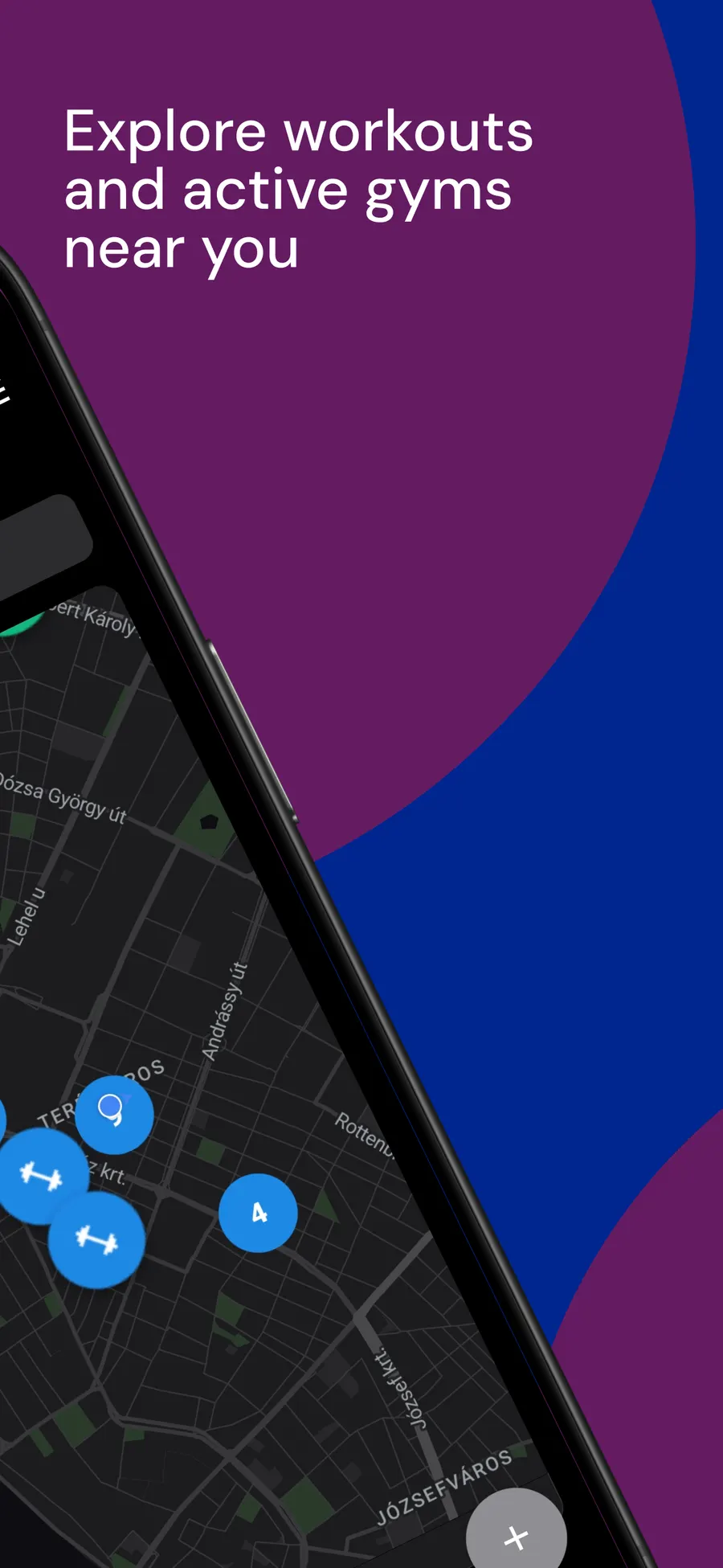
- Kraftsportler und Calisthenics-Athleten in deiner Nähe
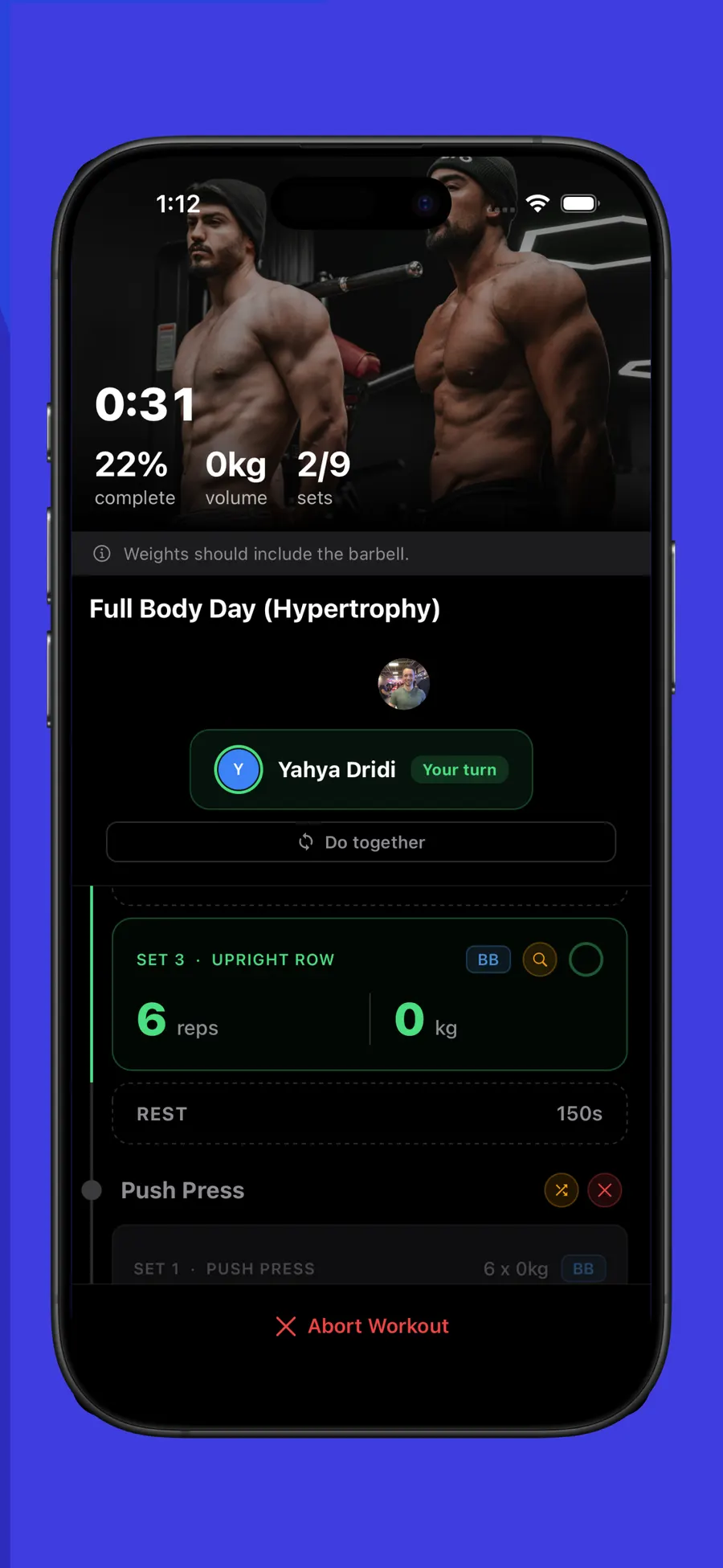
- Mit einem Fingertipp an Workouts teilnehmen oder selbst hosten
- Regenerationsbasiertes Training für 19 Muskelgruppen
- Eine wissenschaftliche Premium-Engine, die deine nächste Session plant
- Premium-Programme mit integrierter progressiver Überlastung und Deloads
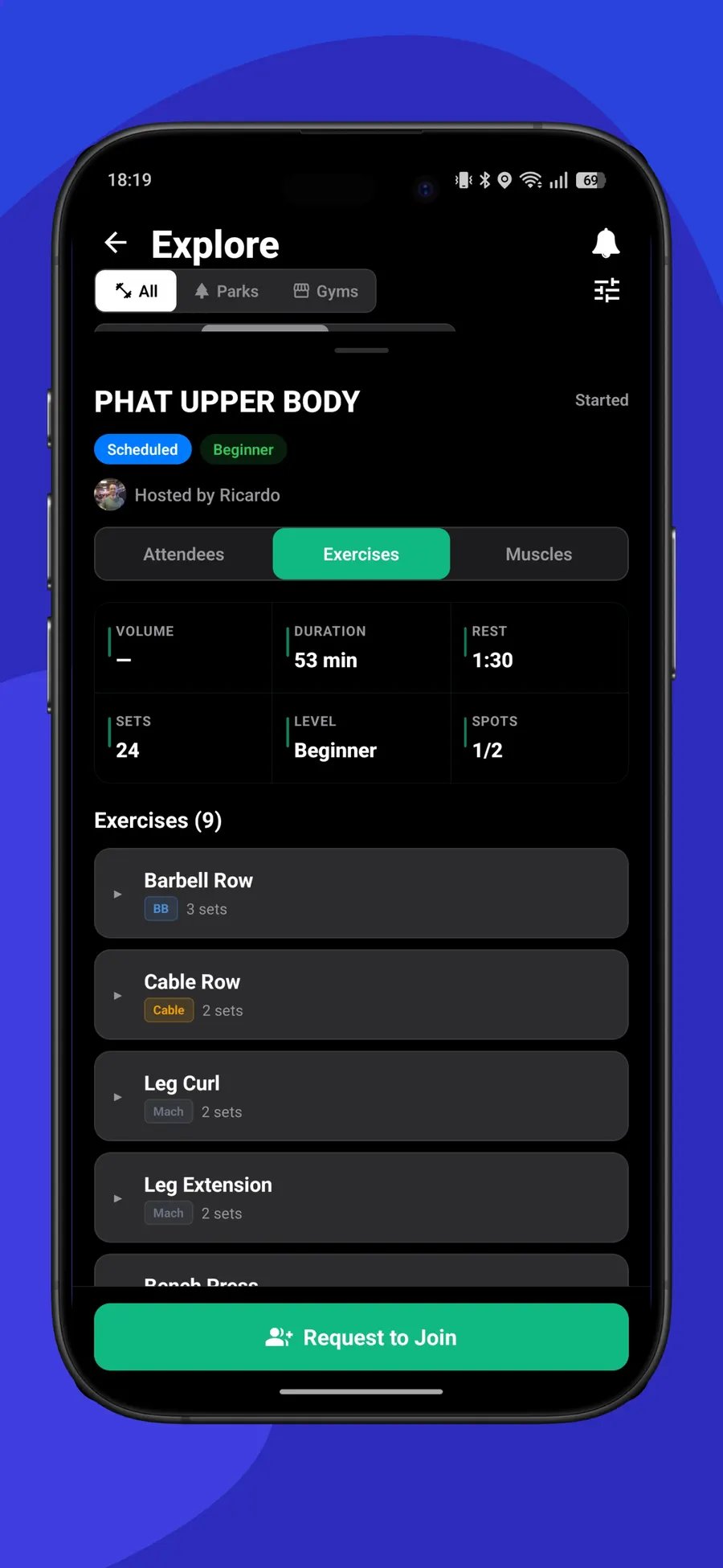
Es wird bereits zusammen trainiert
Lege los in 3 einfachen Schritten
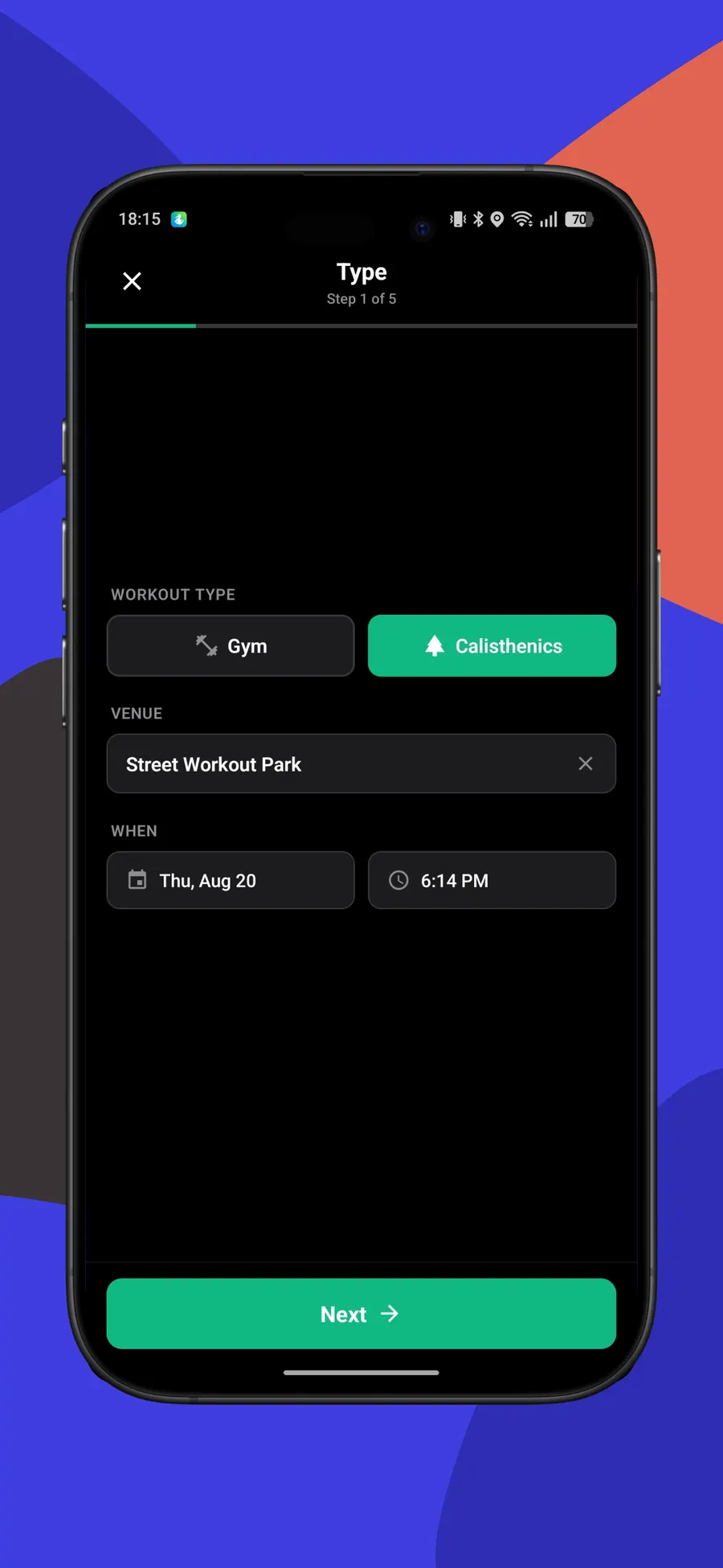
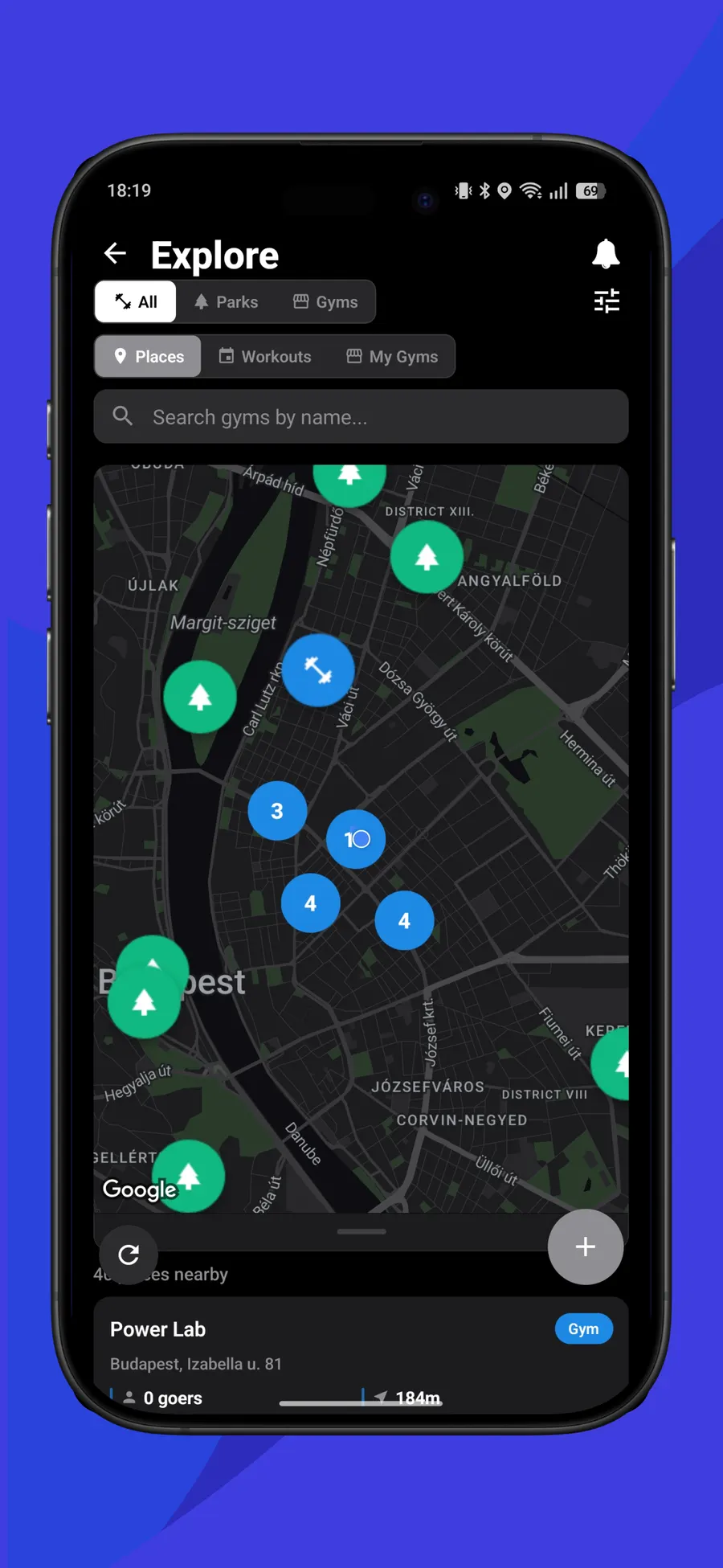
Erstelle ein Workout im Fitnessstudio oder Park
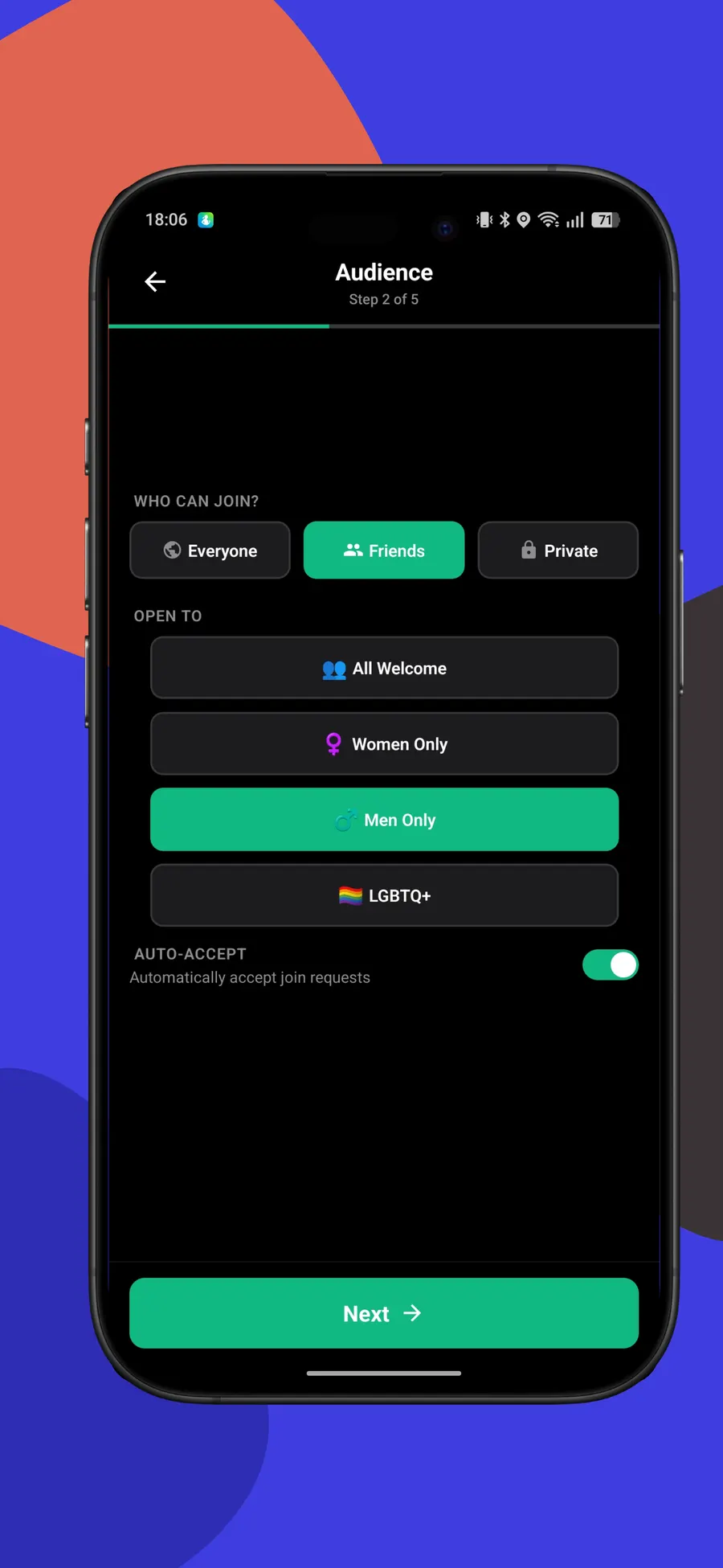
Bestimme genau, wer mitmachen darf
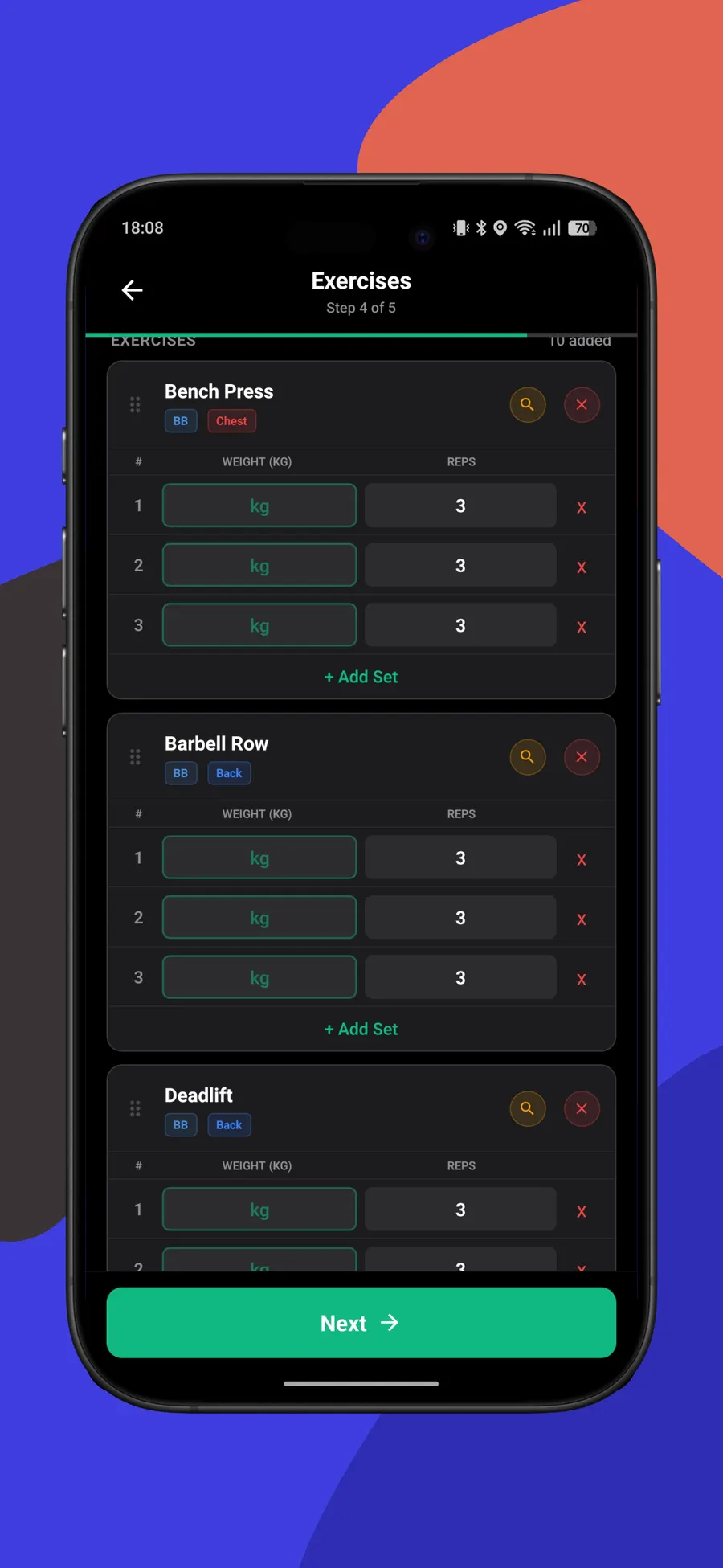
Lege Übungen, Sätze und Wiederholungen fest
Mehr von Workout With Me

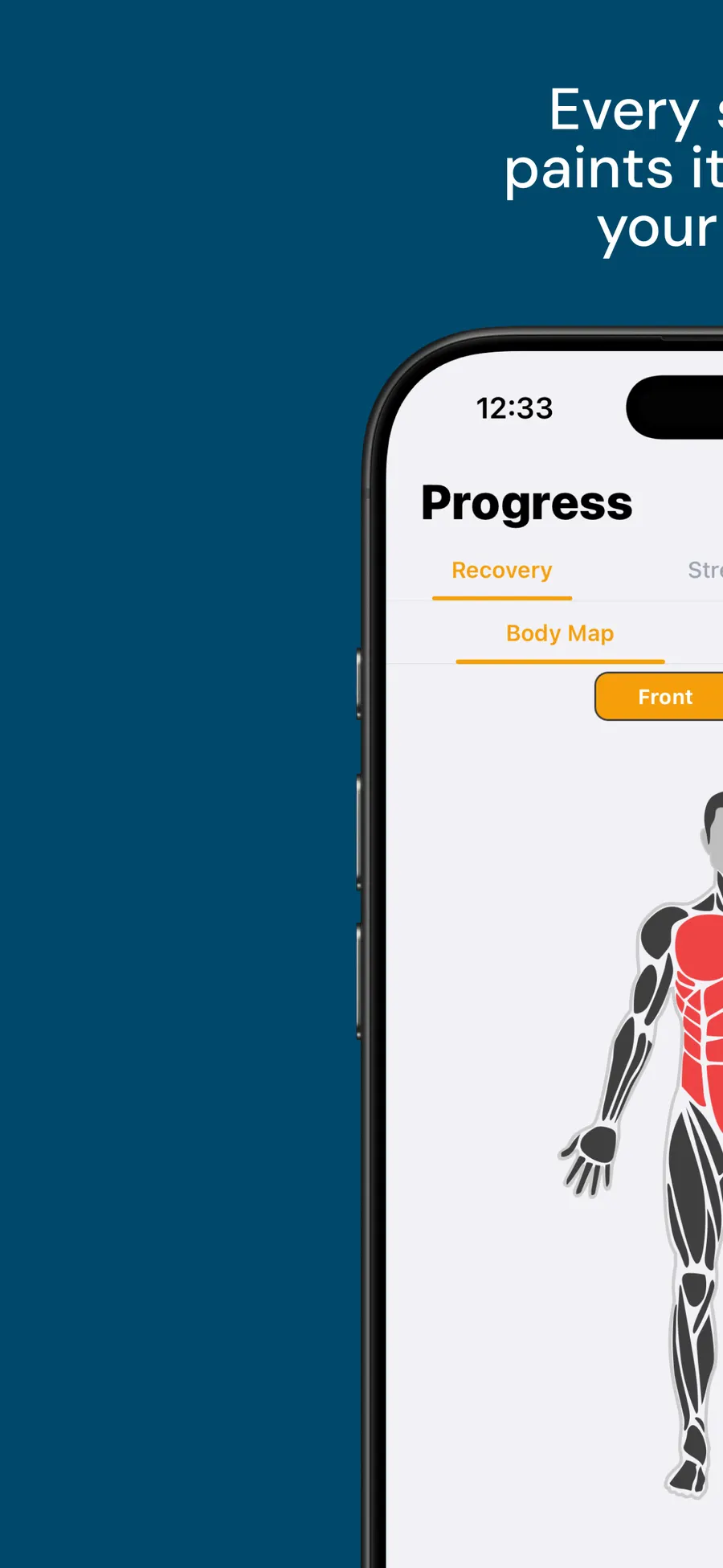
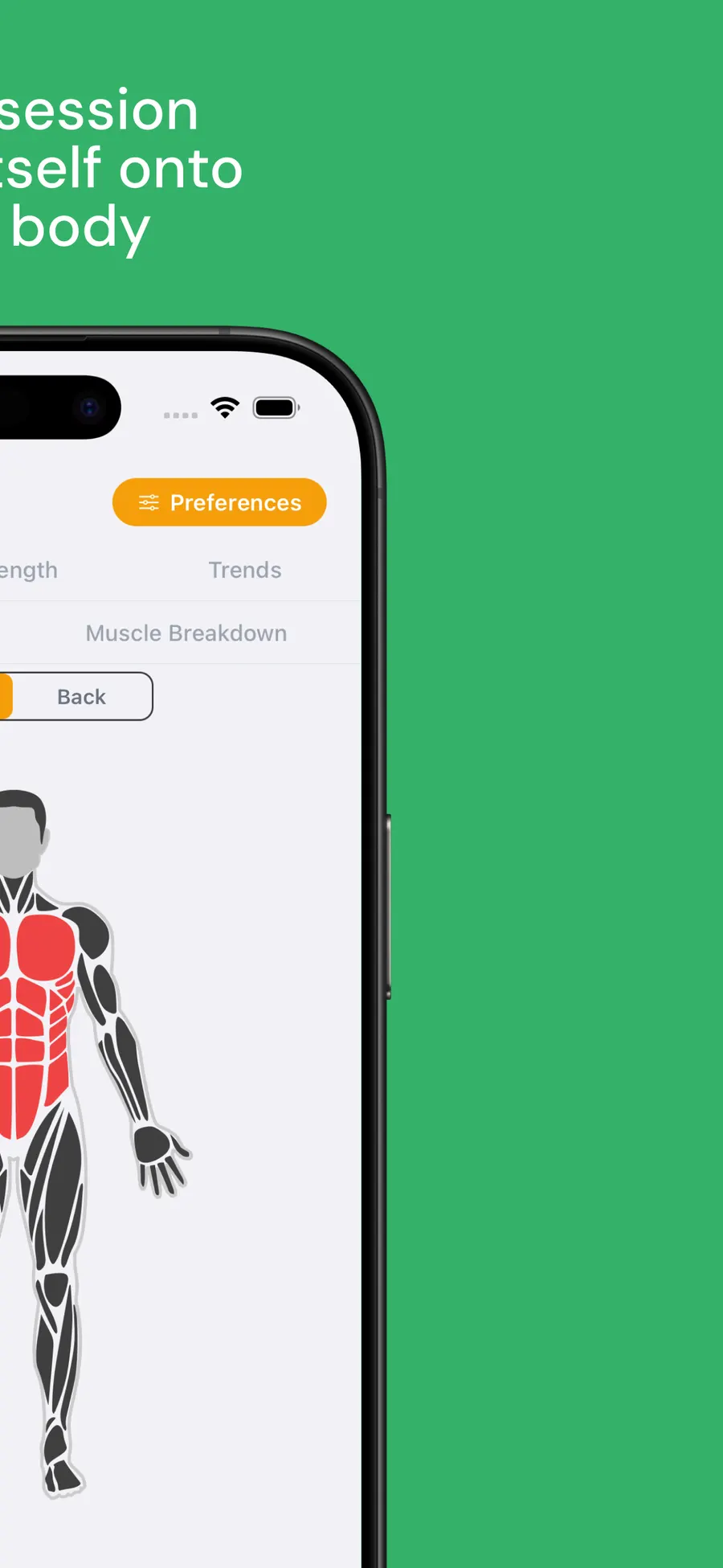
Training, das sich deiner Erholung anpasst
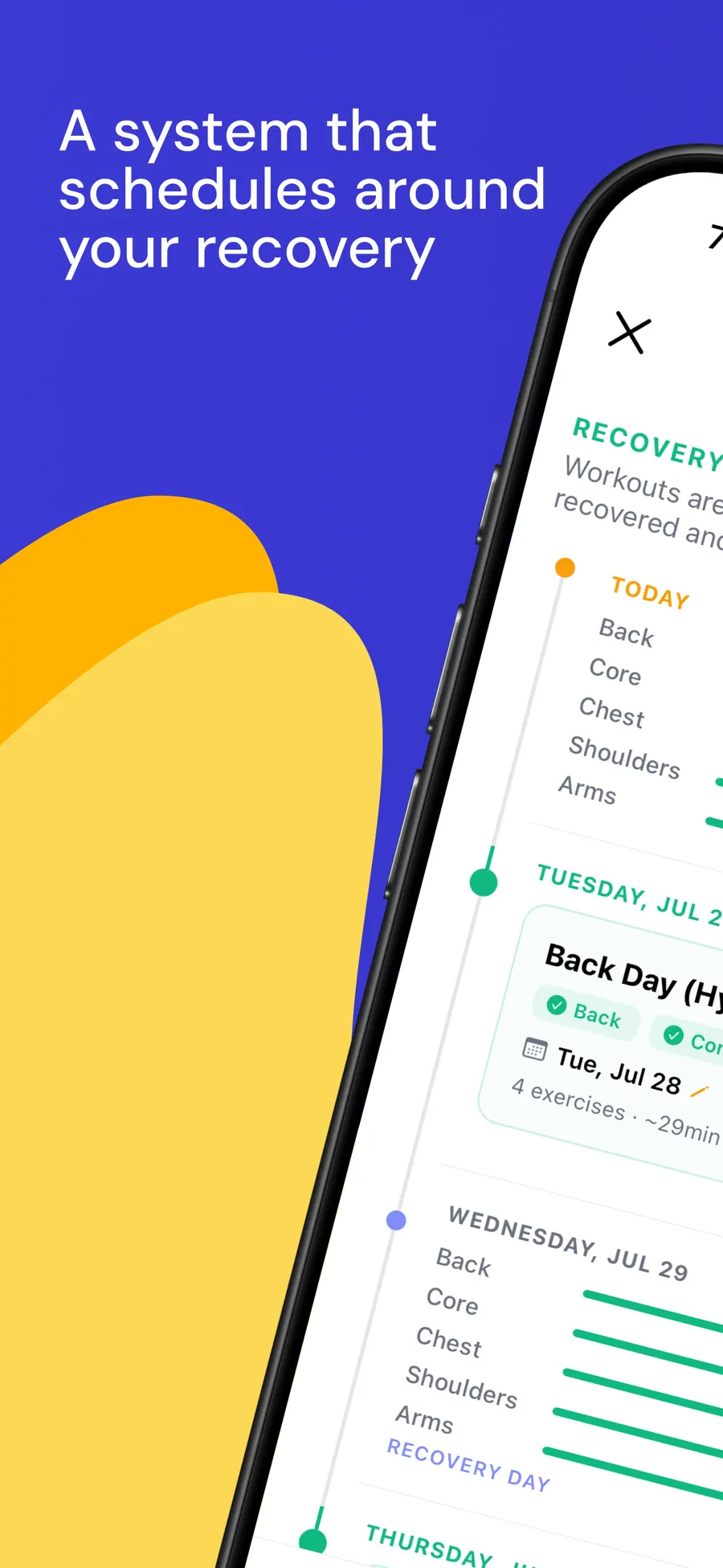
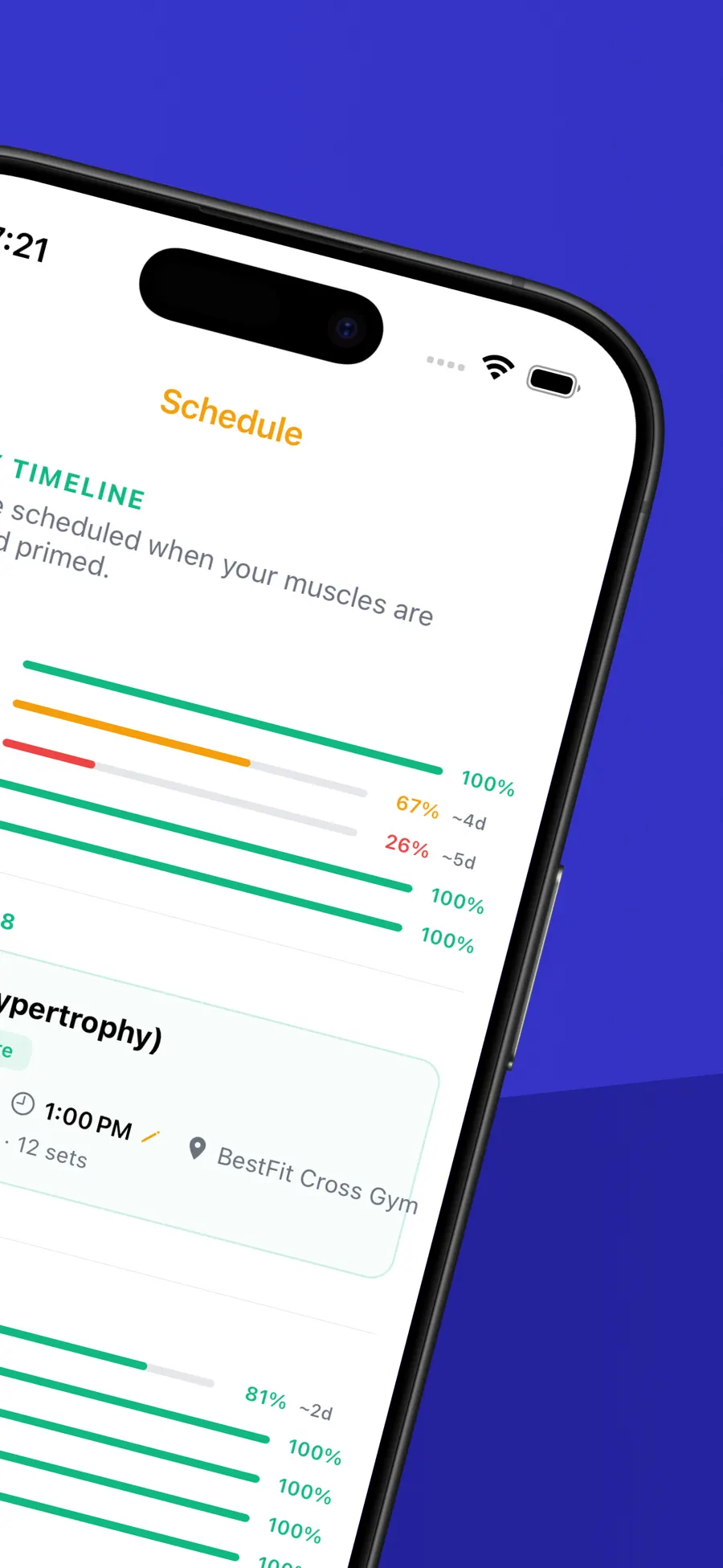
Die S.H.A.R.P-Engine plant jedes Training genau dann, wenn deine Muskeln bereit sind, nicht nach einem starren Kalender.
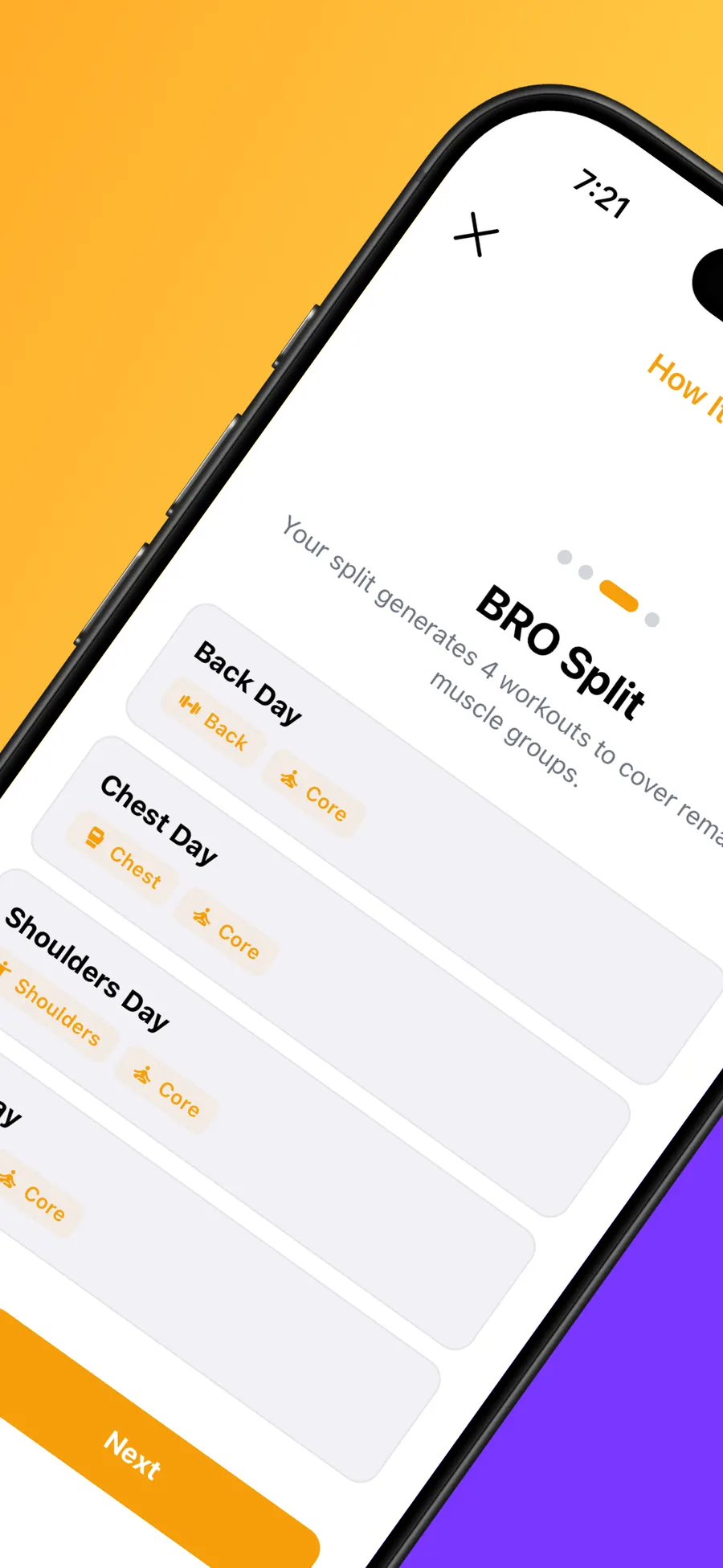
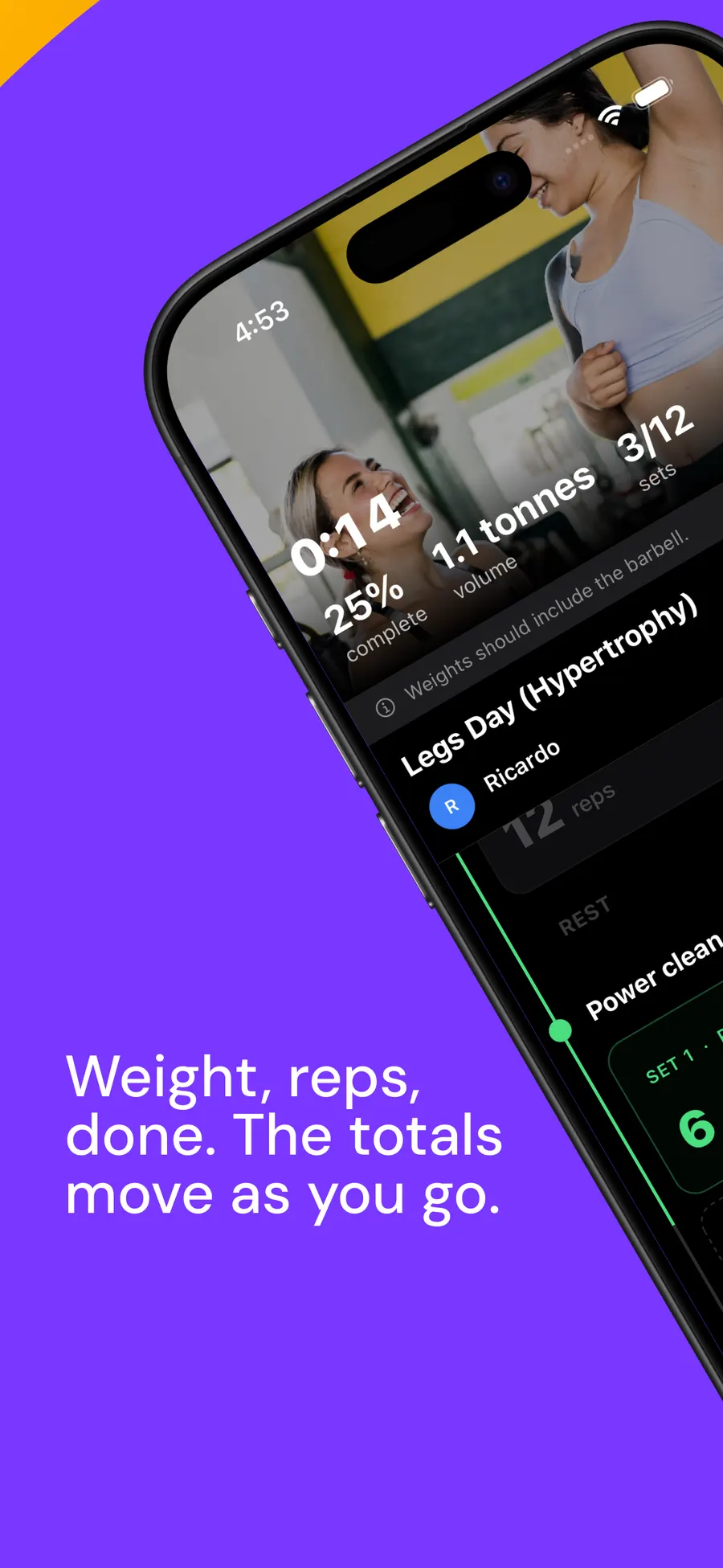
Entdecke Workout With Me weiter
Das Wichtigste auf einen Blick
- A deload is a planned stretch of reduced intensity that lets accumulated fatigue clear without losing the training habit.
- Skipping deloads tends to extend plateaus and raise injury risk rather than accelerate progress.
- Run one by keeping the movements and schedule, dropping the load, raising the reps, and staying well short of failure.
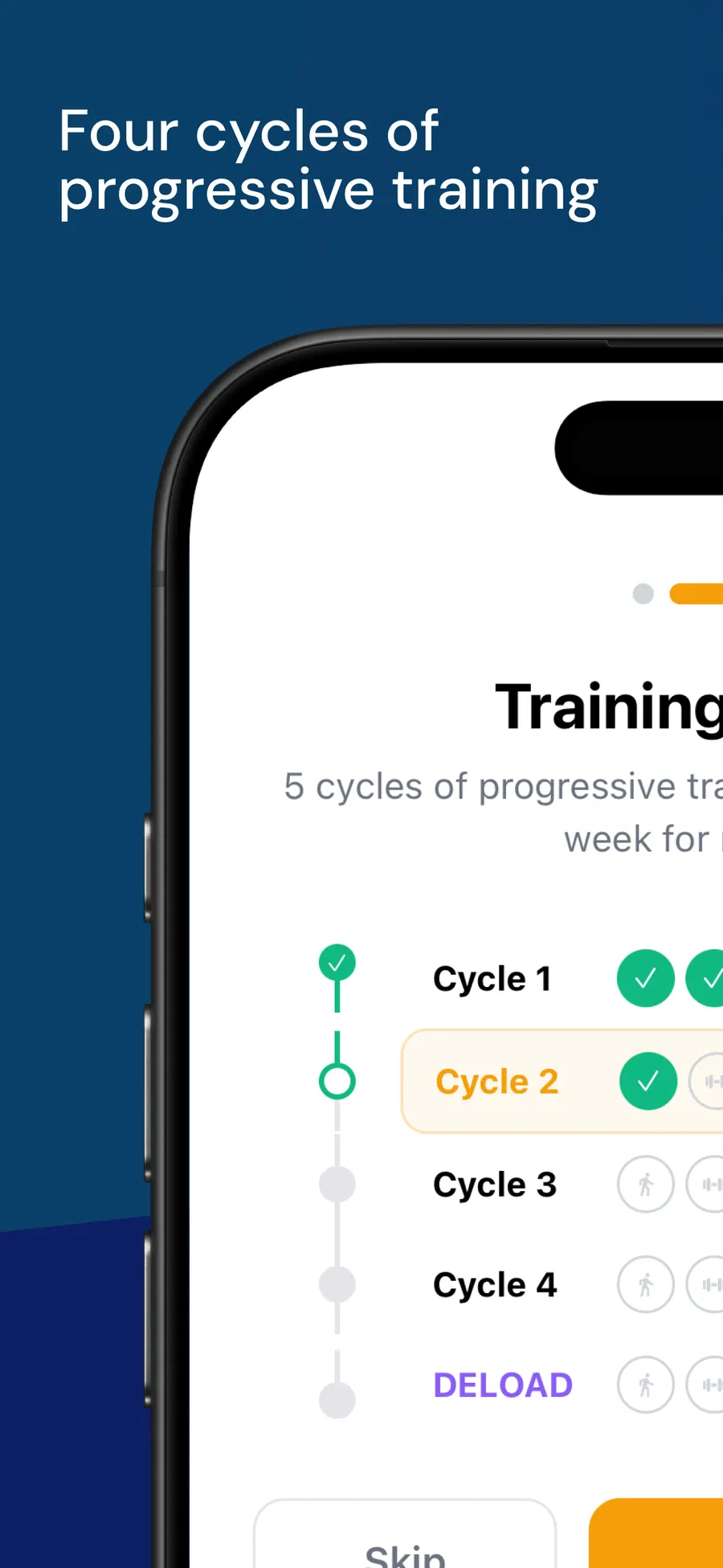
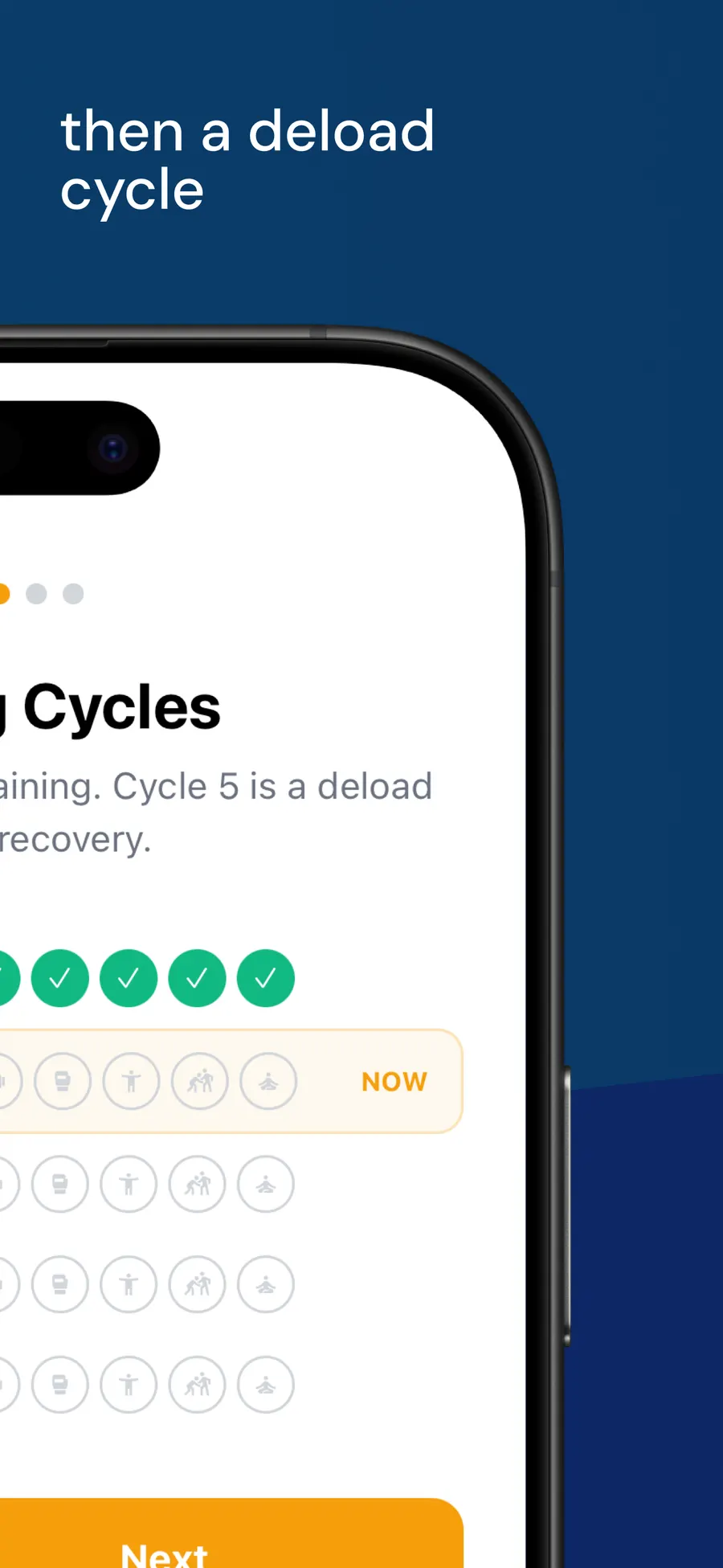
- Workout With Me makes the fifth cycle of every block an automatic deload with lighter weights and higher reps.
- Auto Deload watches for fatigue between scheduled deloads, and safety floors stop a deload becoming a permanent step back.
Was ist ein Deload Week?
A planned period of reduced training intensity or volume, usually around a week, that allows accumulated fatigue to dissipate while maintaining movement patterns and training frequency, so the lifter returns to hard training fresher rather than progressively more worn down.
What a Deload Actually Is. A stretch of training where you deliberately back off the intensity so accumulated fatigue can clear. You keep moving and you keep the pattern, you just stop pushing. Lighter weight, more reps, nothing near failure. It is not a week off and it is not a punishment.
Why Skipping It Costs You. Fatigue accumulates faster than you notice. Progress flattens, your usual working weight starts feeling heavy, sleep gets worse and small joint niggles turn up. Push through that and you don't break a plateau, you extend it, and eventually something gives. A deload is the cheap version of the break you'll otherwise be forced into.
The Signs You Needed One Last Week. Weights that felt fine a fortnight ago feel heavy. Your warm-up sets take longer to feel right. Motivation to train drops off for no obvious reason. Sleep gets shallow and you're irritable. Nagging aches that don't belong to any single session. Any two of those together is a signal.
How to Run One. Keep the same movements and the same schedule so you don't lose the groove. Drop the load meaningfully, take the reps up, and leave plenty in the tank on every set. The goal is to move well and feel fresh by the end, not to sneak in extra volume because the weight is light.
The App Just Does It. A training cycle in Workout With Me completes when you've trained all six muscle categories, however long that takes you. After four of those, the fifth cycle is automatically a deload: lighter weight, higher reps, prescribed for you. You don't have to notice you need it or find a good week for it.
And It Watches for the Early Signs. Turn on Auto Deload in your S.H.A.R.P preferences and the engine also watches for accumulated fatigue between scheduled deloads, pulling the weights back before you dig yourself into a hole. When the block picks back up, safety floors stop the deload from turning into a permanent step down.
Da die progressive Überlastung neben der Kraft auch Müdigkeit anhäuft, endet jeder vierte bis sechste harte Block mit einer Entlastungswoche, in der die Entlastungsgewichte pro Übung auf etwa 65 Prozent des Maximums und die Hälfte der üblichen Sätze festgelegt werden.