Train Based on Your Recovery Status
A program a tested aktuális állapotára épül, nem a naptárra. Nincs kifogás, nincs találgatás.
Milyen típusú sportoló vagy?
Nem csak egy edzésnapló. Egy edzőközösség.
A Workout With Me a sokoldalú edzőalkalmazásod: találj edzőtársakat, és hagyd, hogy a S.H.A.R.P a regenerációd köré építse fel az edzéseidet.
- Edzések követése
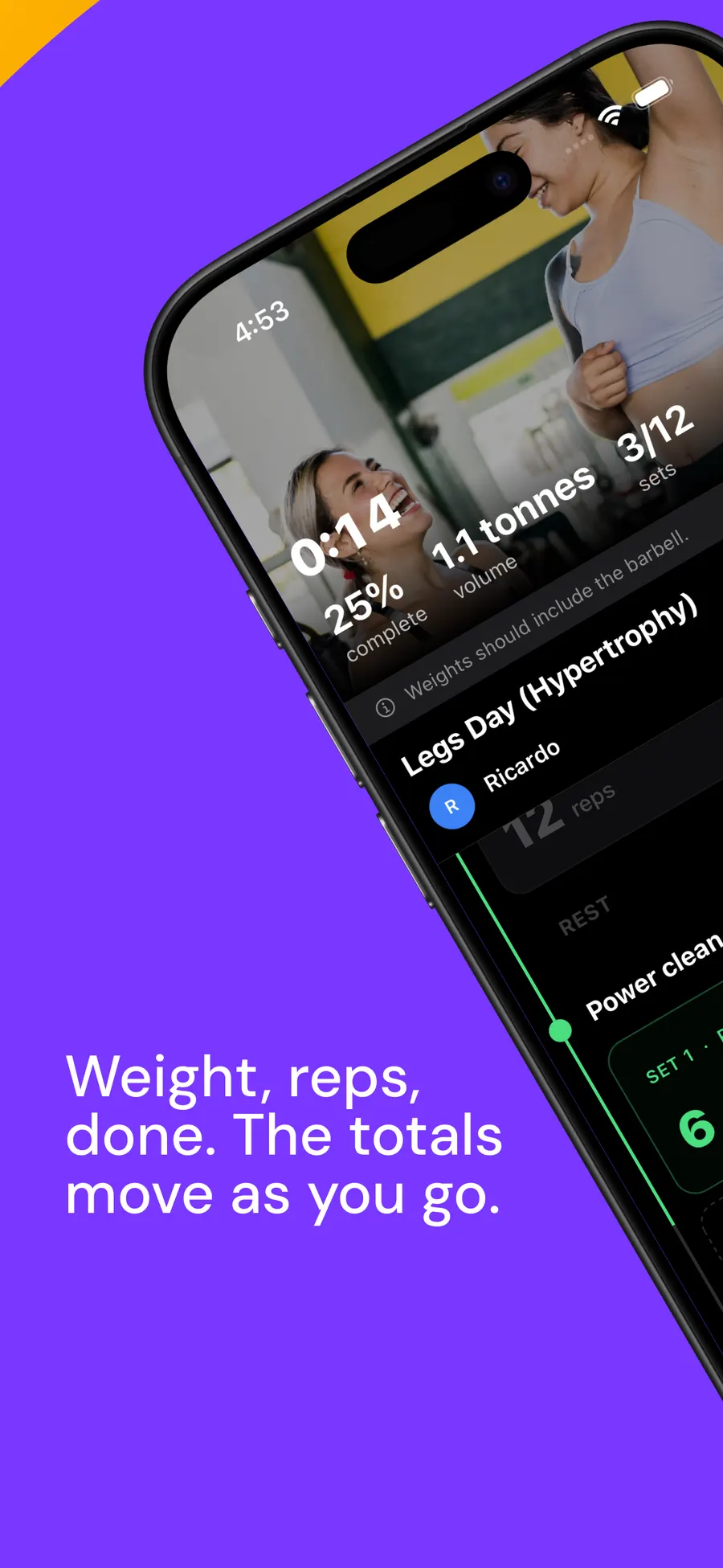
- Szetek, ismétlések és súlyok naplózása
- Gyakorlattár
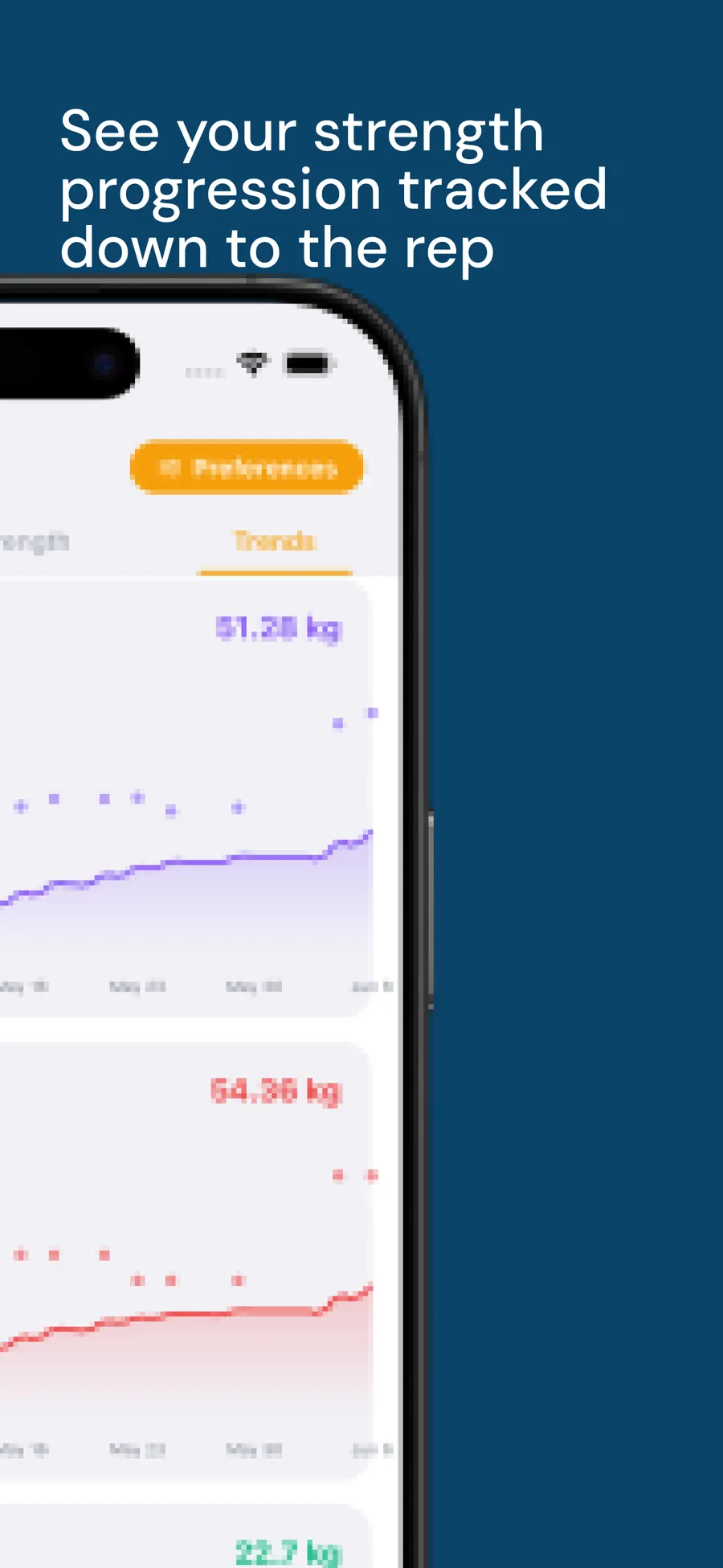
- Volumen- és előzménygrafikonok
- Pihenőidő-mérők
- Egyéni rekord (PR) jelvények
- Kalóriabecslés
- Súlyemelők és saját testsúlyos sportolók a közeledben
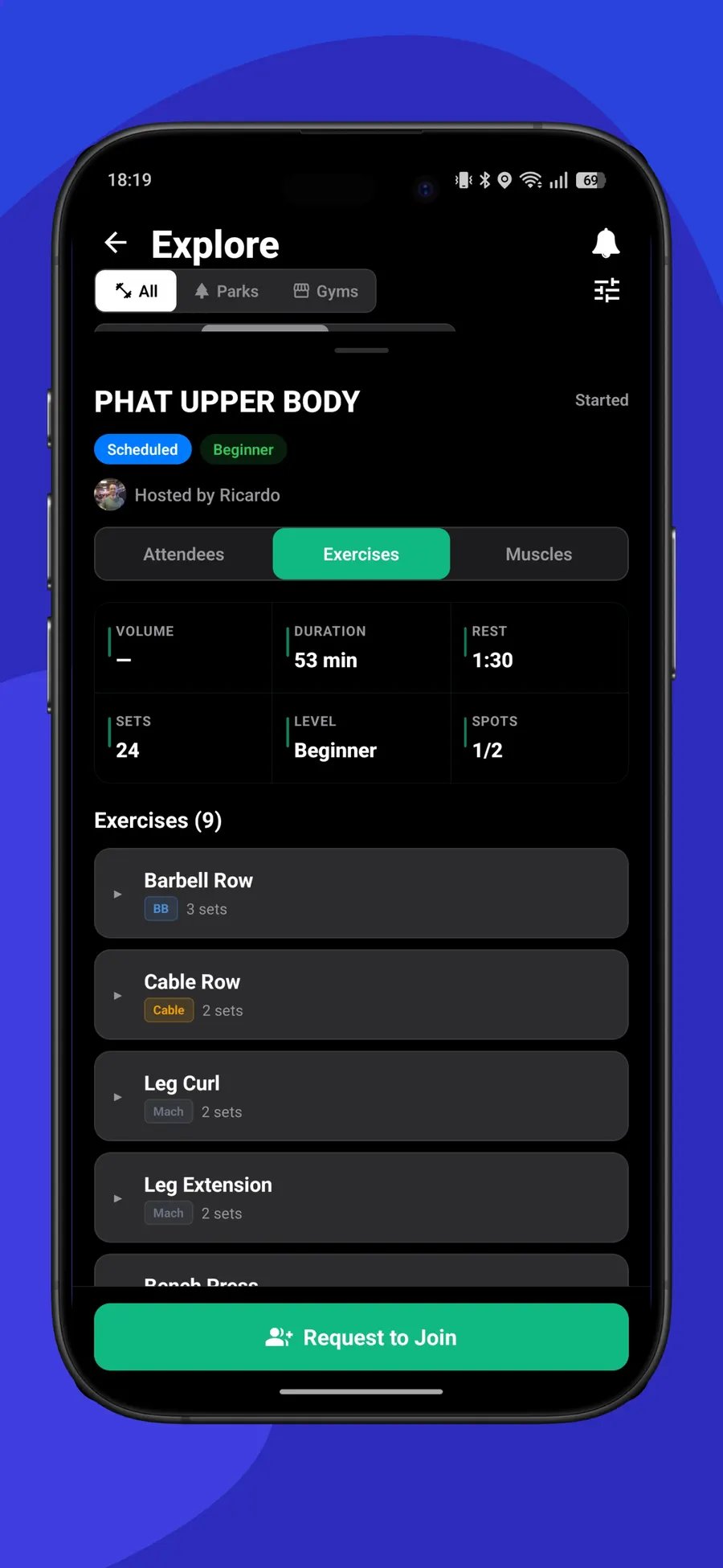
- Csatlakozz vagy szervezz edzést egyetlen koppintással
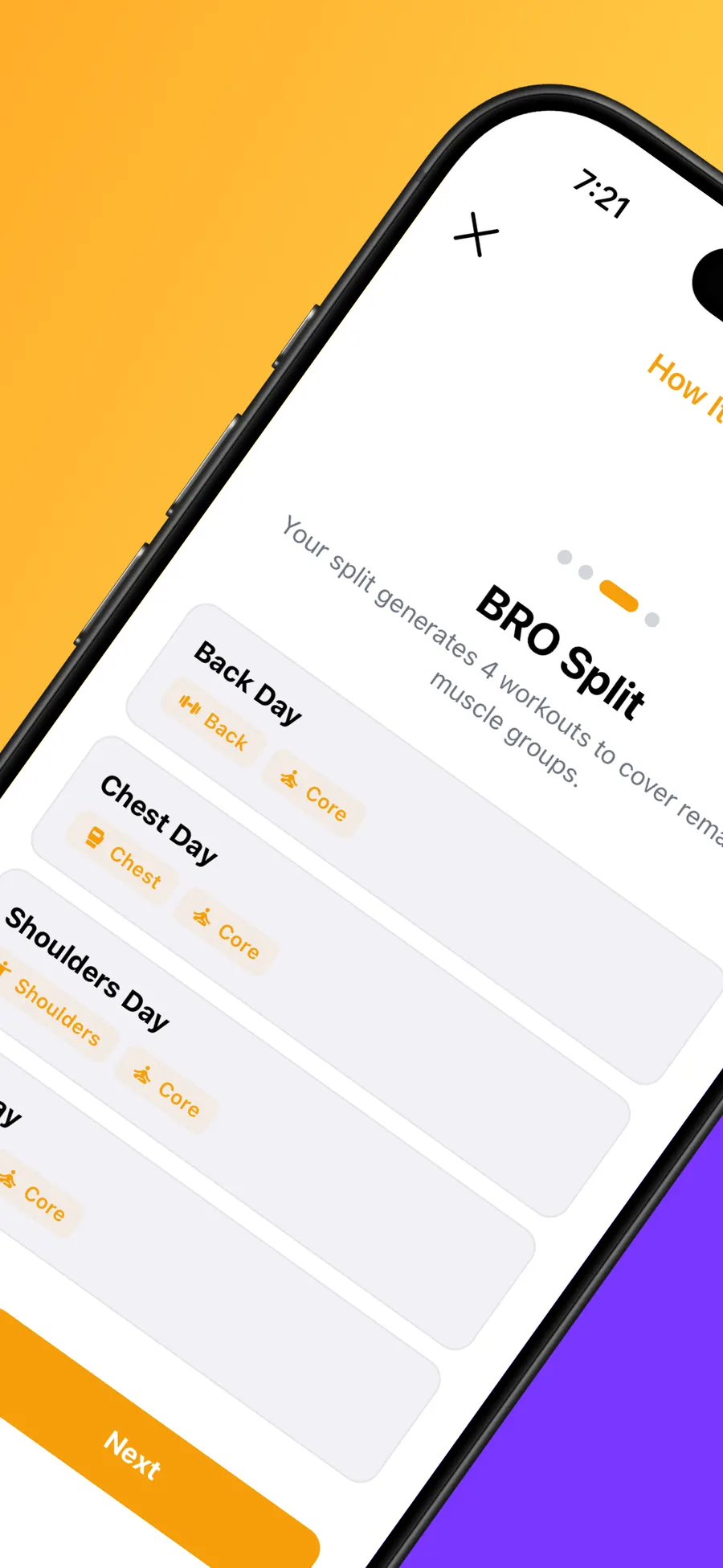
- Regeneráció-alapú edzés 19 izomcsoportra kiterjedően
- Prémium, kutatásokon alapuló rendszer, ami megtervezi a következő edzésed
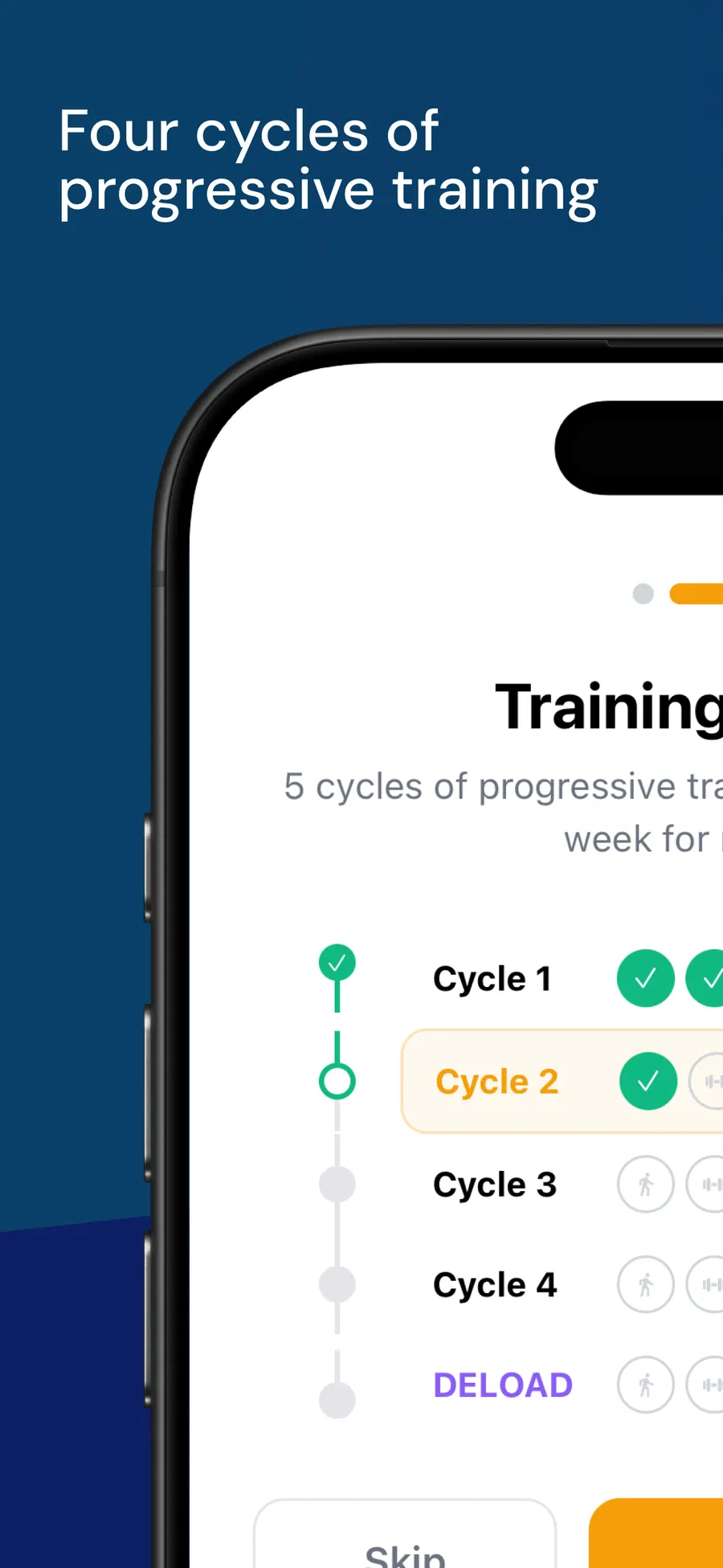
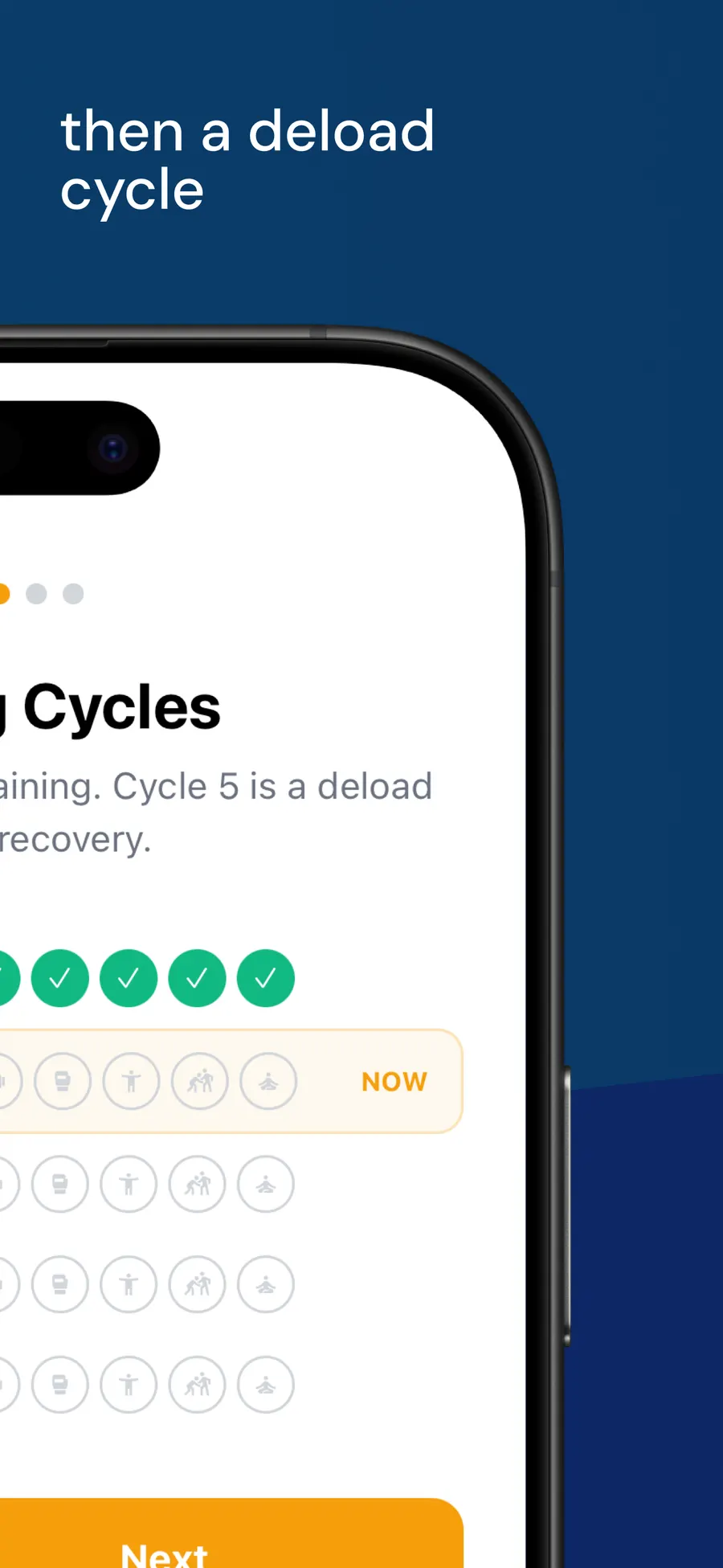
- Prémium programok beépített progresszív túlterheléssel és deloadokkal
Mások már együtt edzenek
Kezd d el 3 egyszerű lépésben
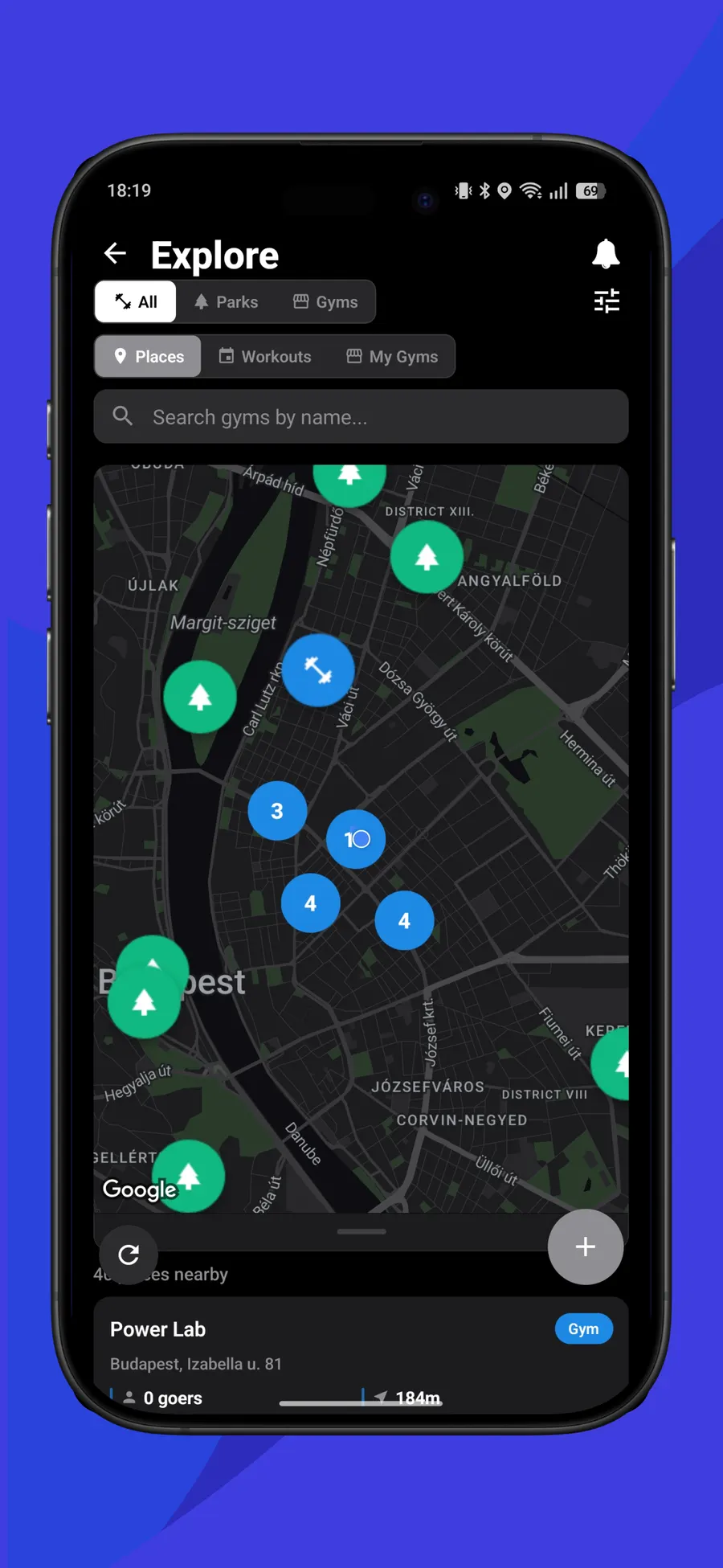
Hozz létre egy edzést egy teremben vagy parkban
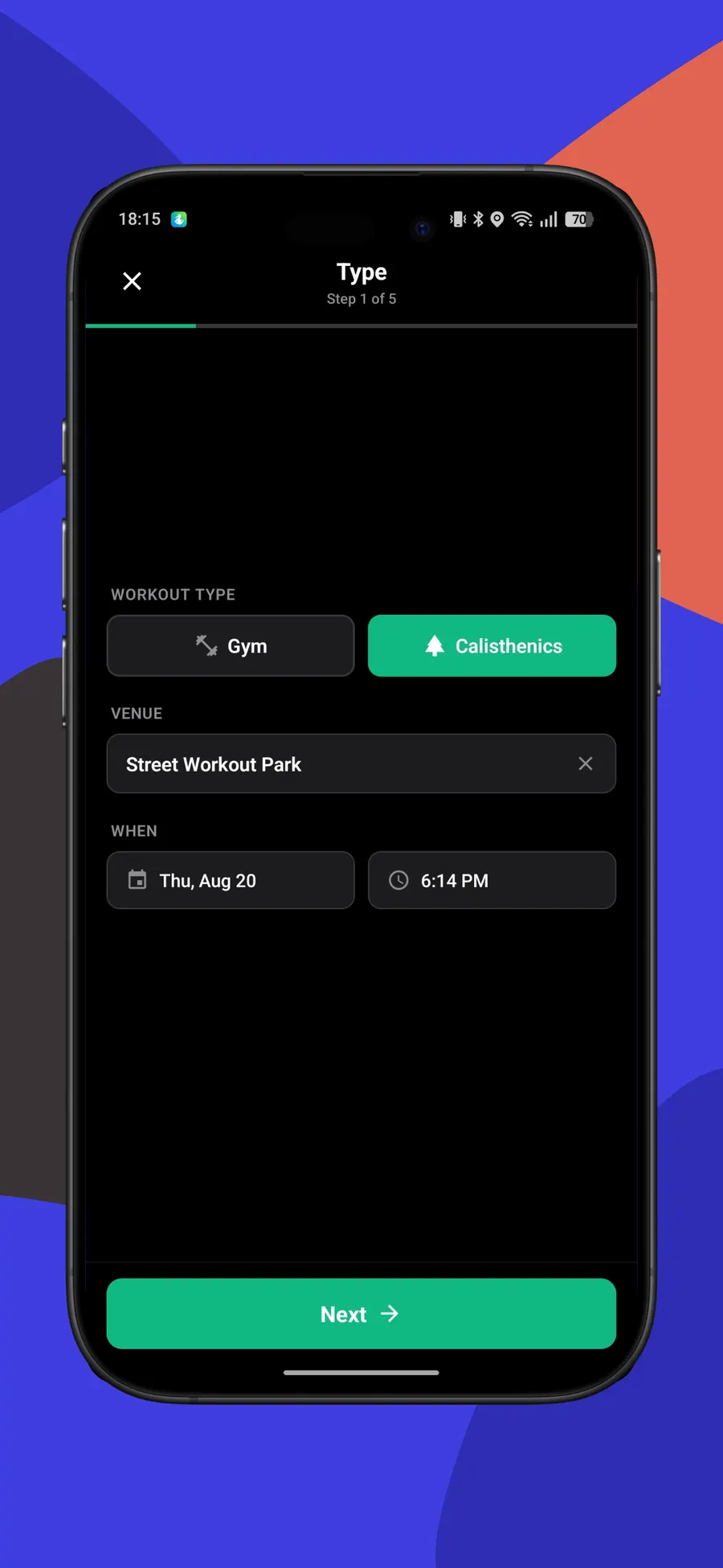
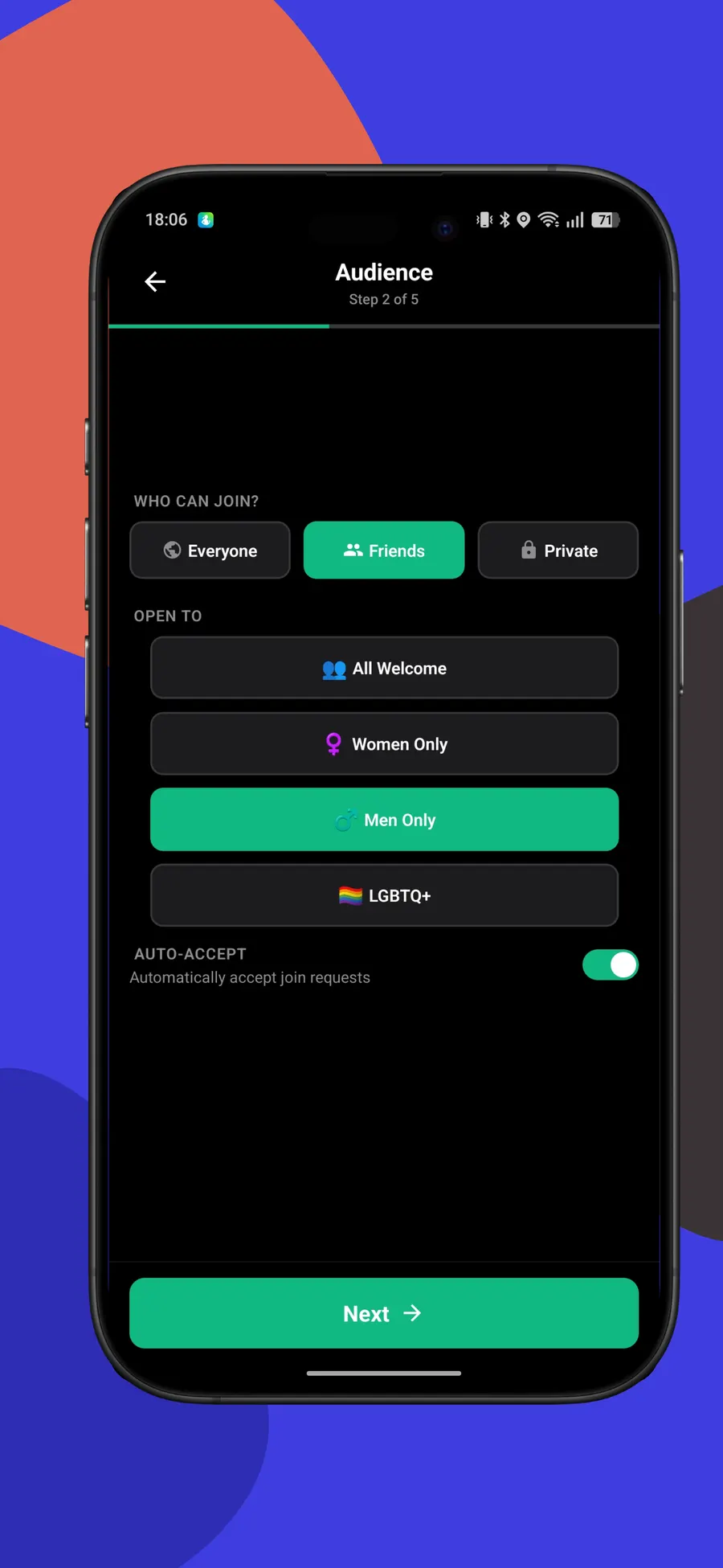
Válaszd ki pontosan, ki csatlakozhat
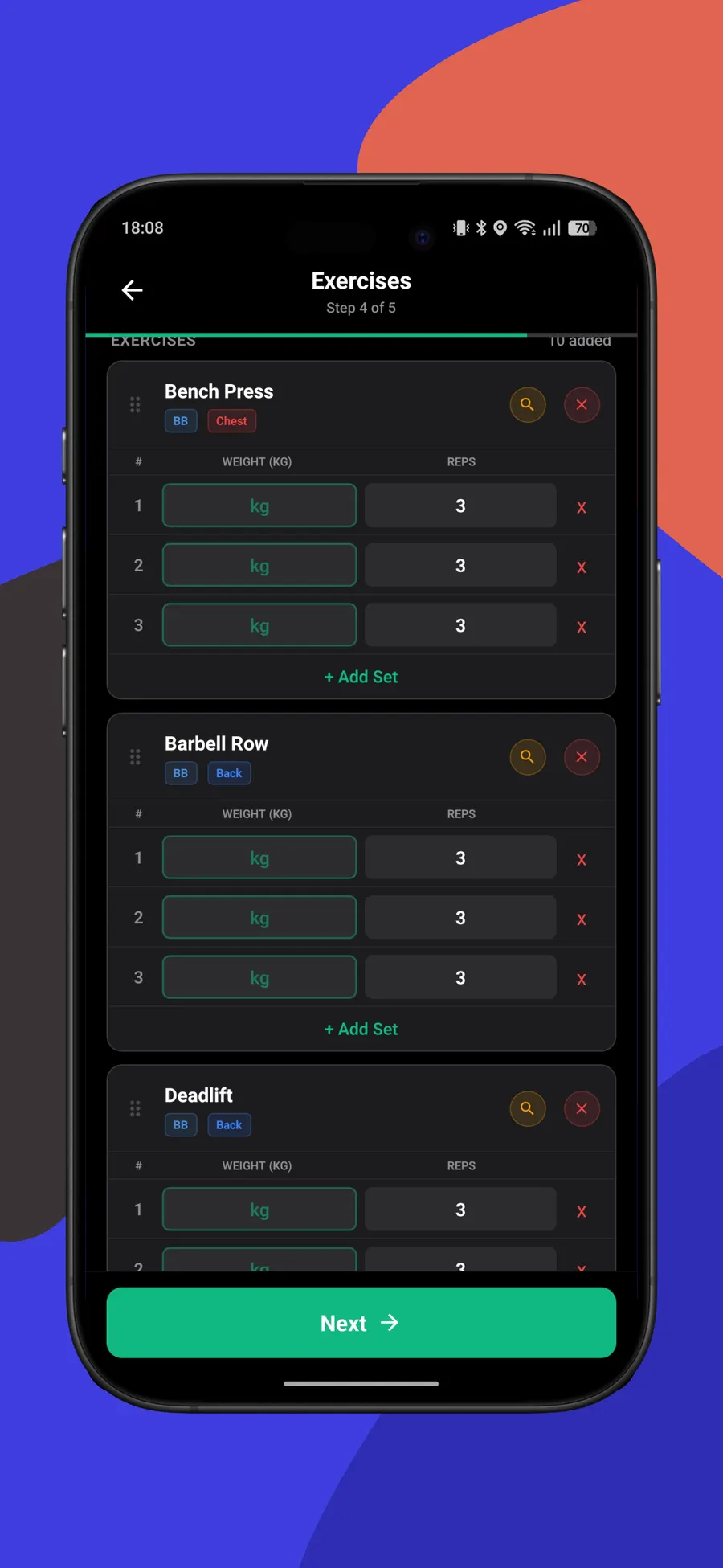
Állítsd be a gyakorlatokat, szériákat és ismétléseket
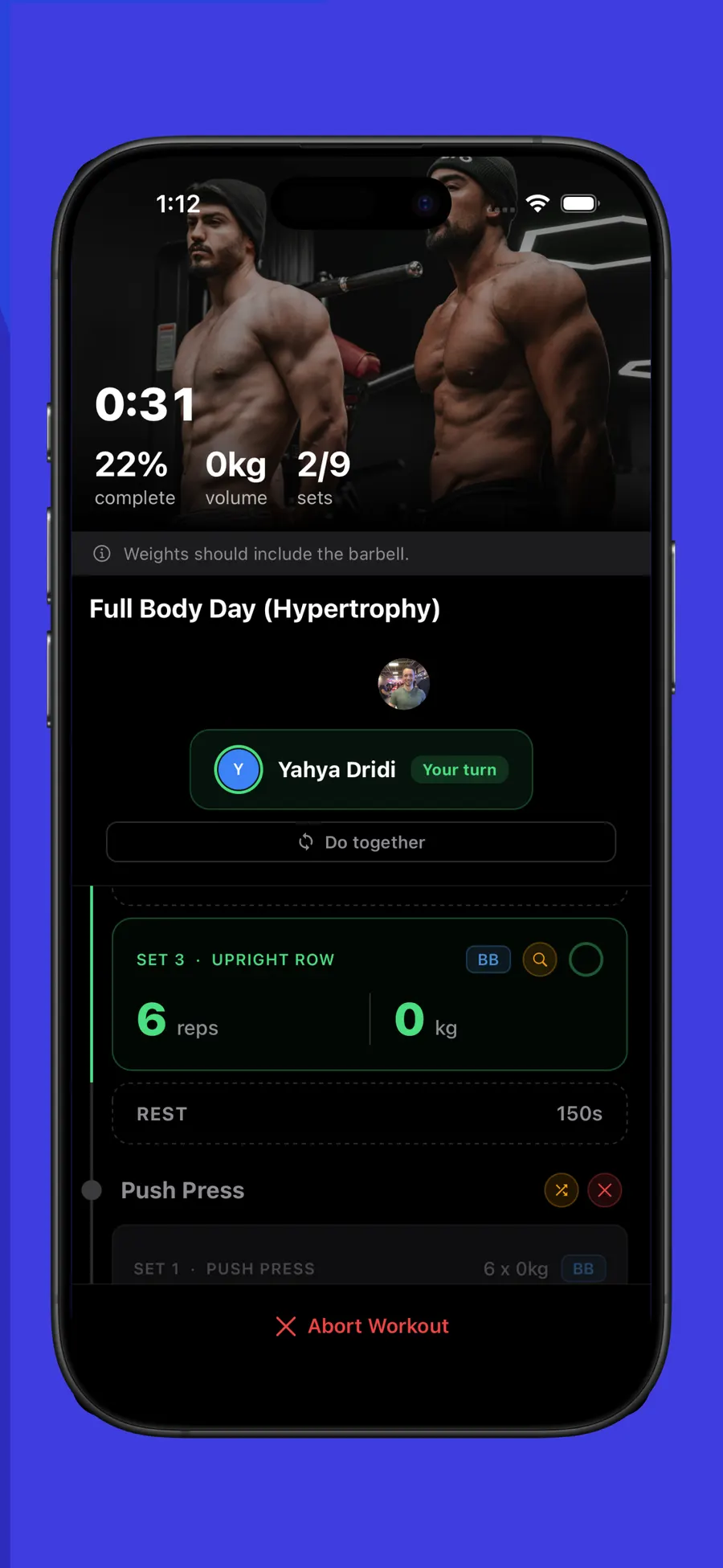
Továbbiak tőle: Workout With Me
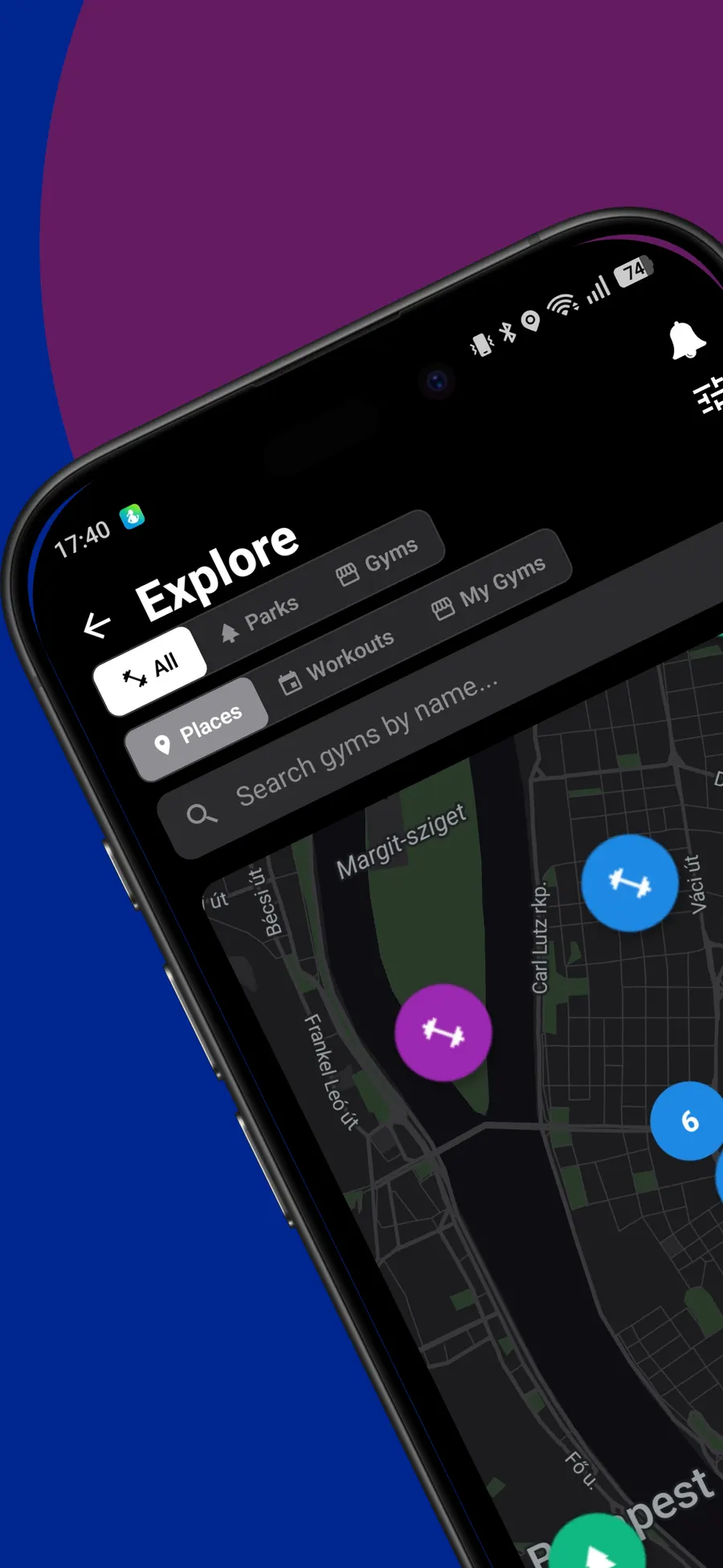
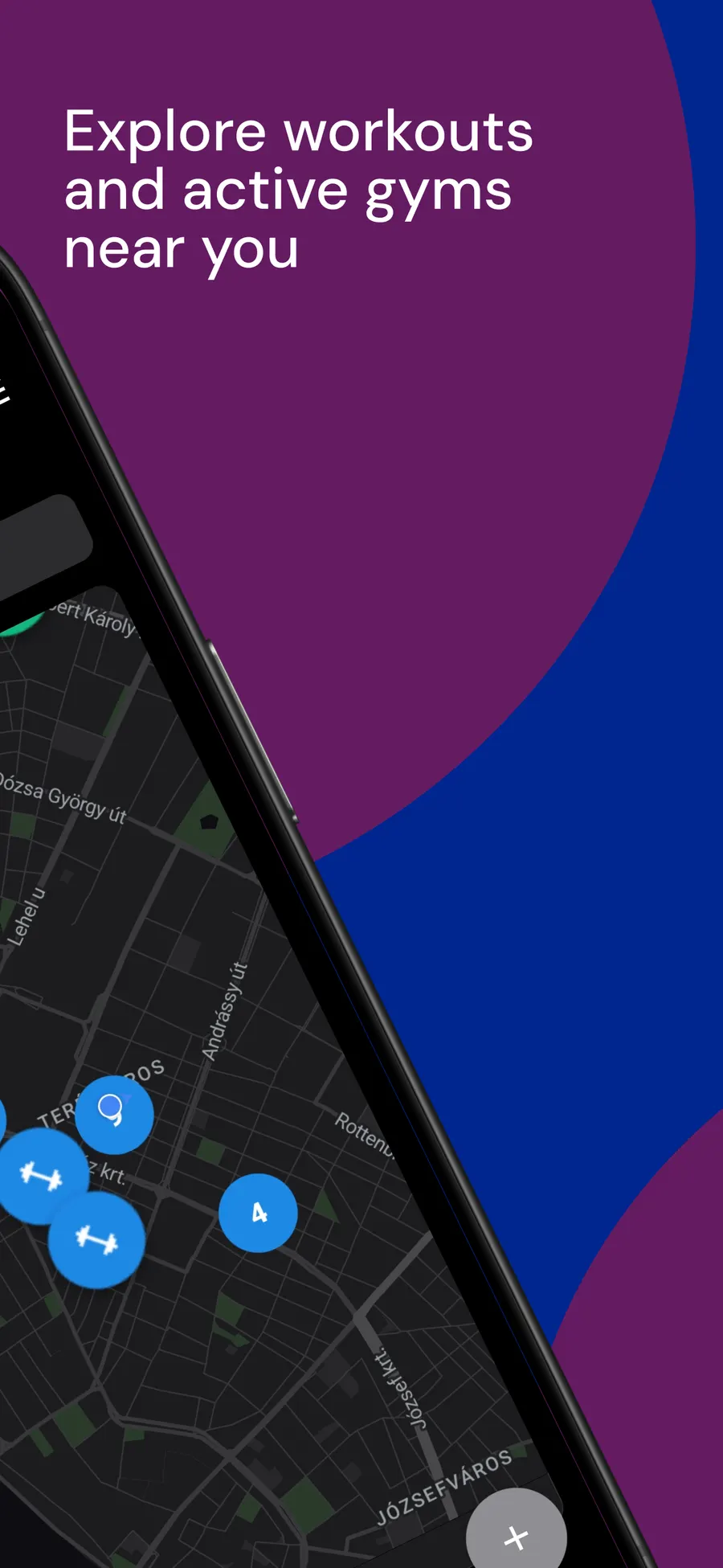
Edzés, ami követi a regenerációdat
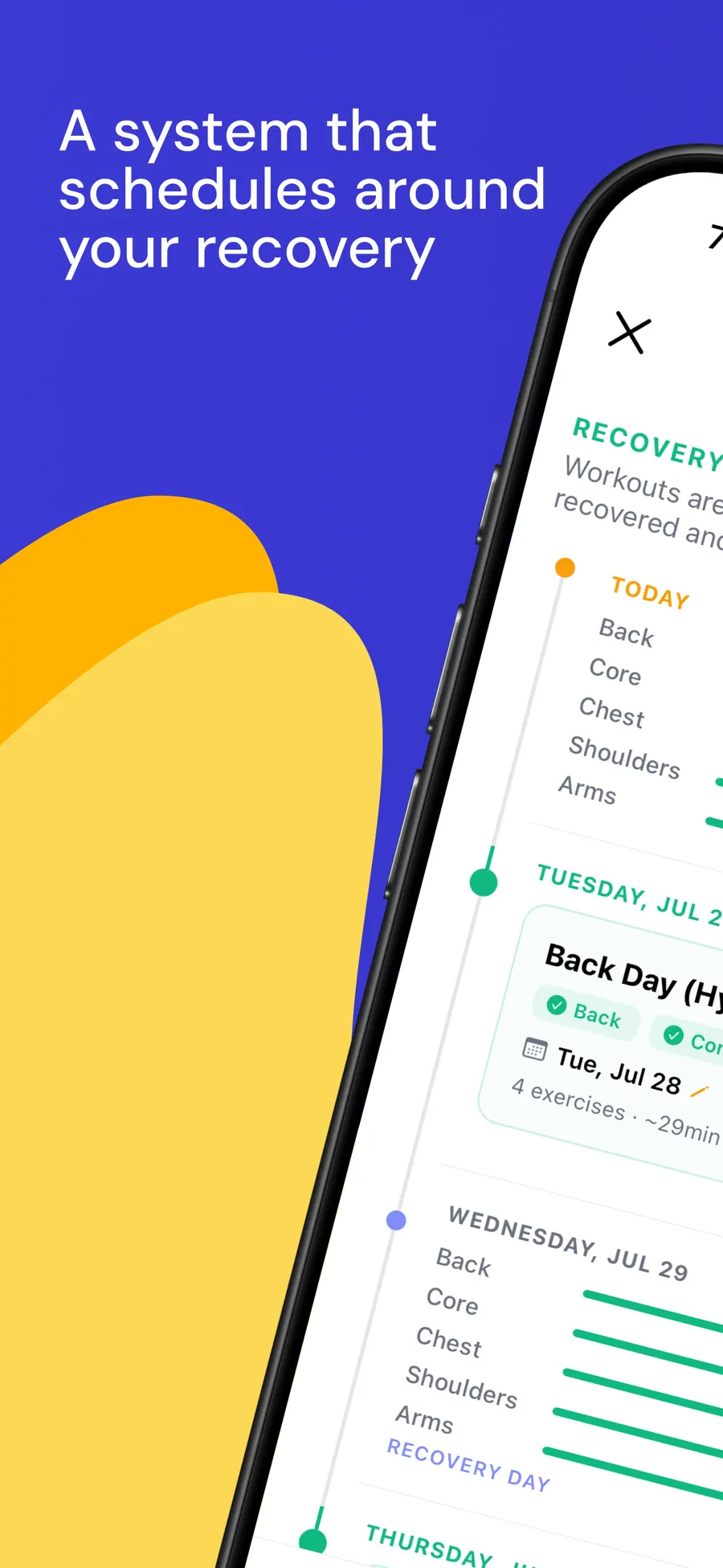
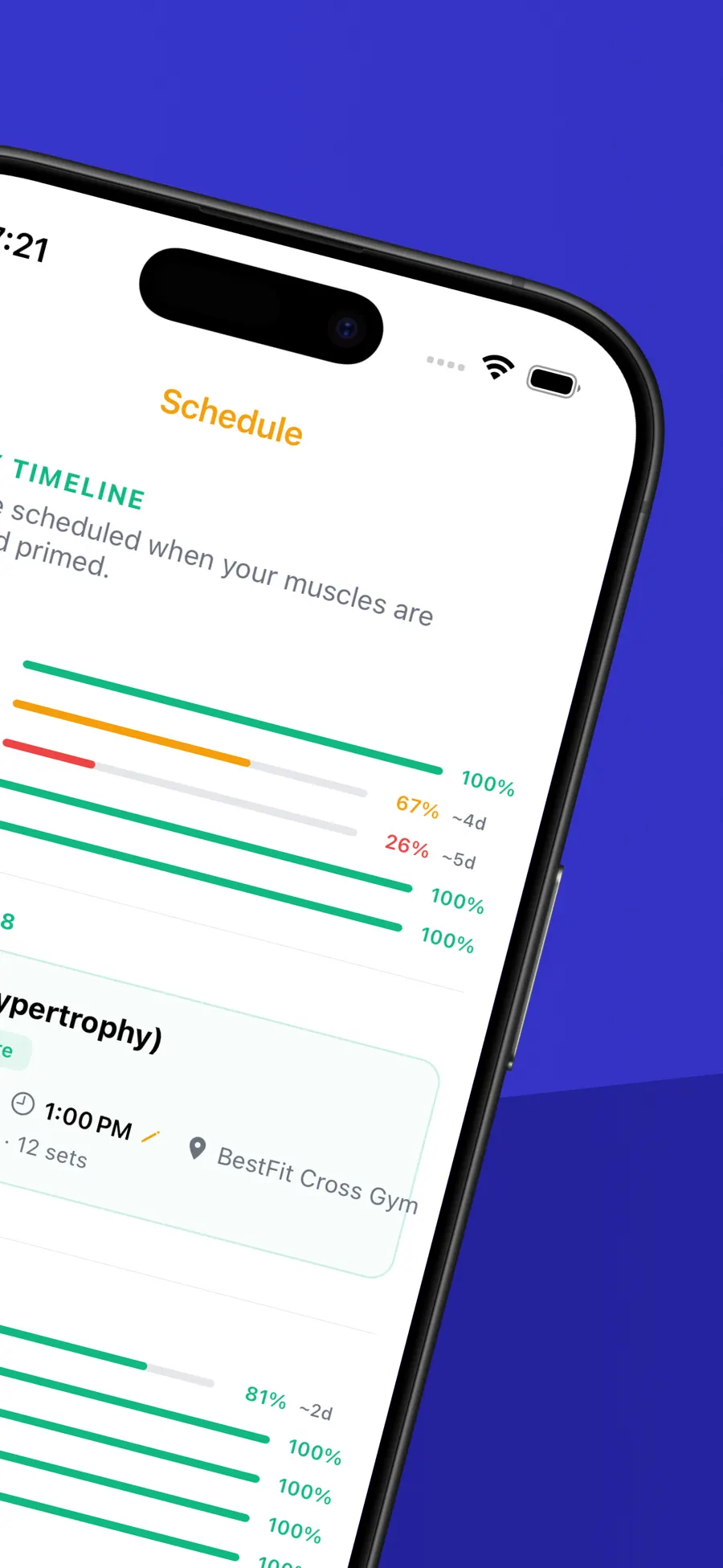
A S.H.A.R.P motor minden edzést akkorra ütemez, amikor az izmaid valóban készen állnak, nem pedig egy fix naptár szerint.
Fedezd fel tovább a Workout With Me-t
Legfontosabb tudnivalók
- Recovery-based training means the muscles that are recovered decide the session, not the day of the week.
- Adaptation happens between sessions, so recovery is part of the training rather than a gap in it.
- Soreness is an unreliable signal, which is why the app models recovery per muscle instead of asking how you feel.
- Workout With Me tracks 19 muscle subcategories and brings a muscle back into rotation at 80% recovered.
- You can self-report training the app never saw, and the plan reshapes around it.
Mi az a Recovery-Based Training?
A way of programming where each muscle group is trained only once it has recovered enough from its last session, rather than on a fixed weekly schedule. The training plan is derived from the athlete's current recovery state, so sessions land when the target muscles can actually handle them.
What Recovery-Based Training Actually Means. Most programs are written on a calendar. Chest on Monday, back on Tuesday, and if you're still sore on Tuesday that's your problem. Recovery-based training says the opposite: you train a muscle when it's ready, and you don't when it isn't. The hard part has always been knowing which is which. That's the bit the app does.
You Don't Grow in the Session. You grow between sessions. Training breaks the tissue down and the adaptation happens while you recover, which means the rest is not the gap between the training, it is part of the training. Hit a muscle again before it has finished rebuilding and you are just adding damage on top of damage.
Soreness Is a Bad Signal. Soreness peaks a day or two after training and then fades long before the muscle is actually done adapting. Some sessions leave you crippled and recovered; others leave you fine and nowhere near ready. Going by feel means guessing, and most people guess in the direction of doing more.
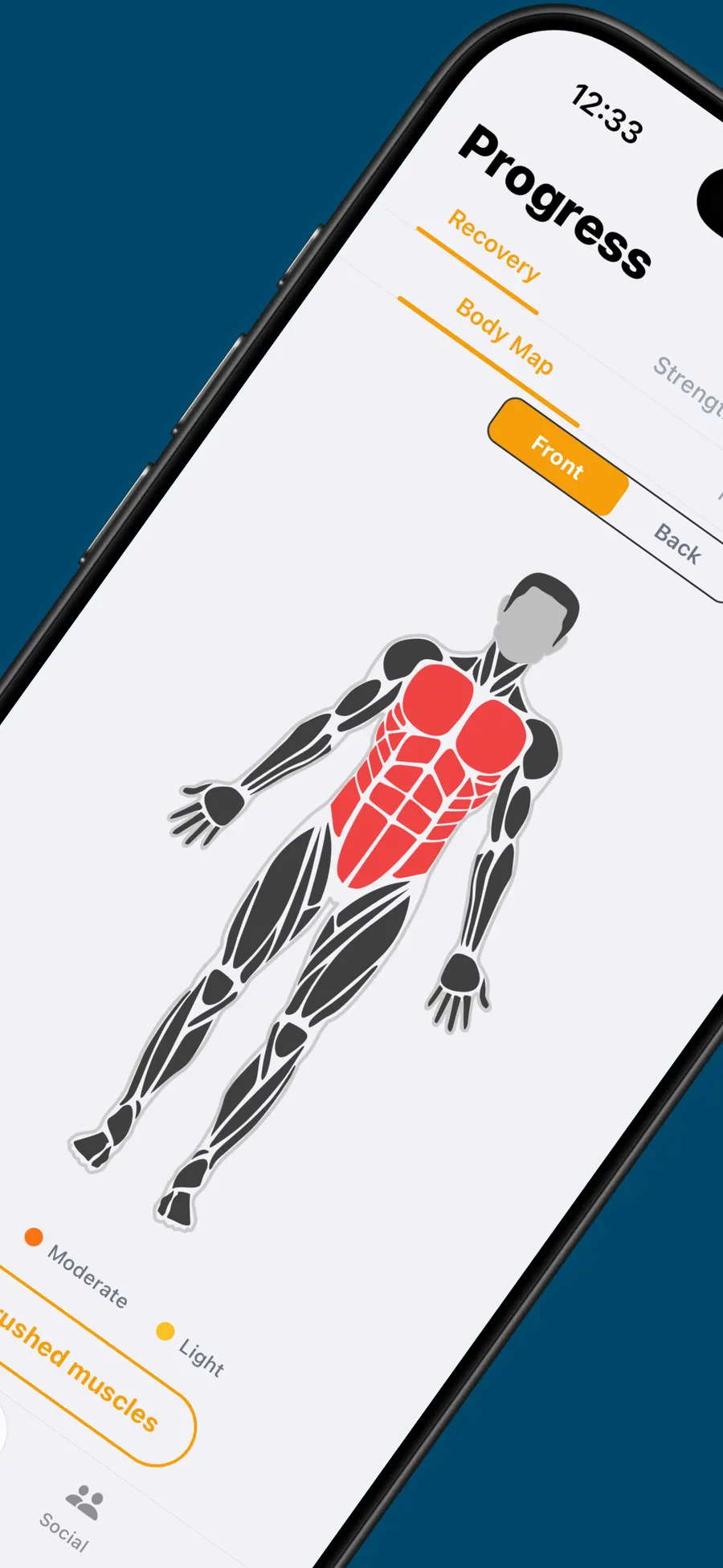
The Engine Tracks 19 Muscle Groups. Every set you log starts a recovery clock, not on a vague body part but on a specific muscle. Your chest is tracked as upper, middle and lower separately, 19 subcategories in total. How long each clock runs depends on your experience level and on whether that muscle was doing the work or just assisting.
80% Is the Line. A muscle comes back into rotation at 80% recovered rather than 100%. That's deliberate. Waiting for perfect means training less often than you could, and 80% is where you can train hard without digging a hole. Below that, the engine leaves the muscle alone no matter how good you feel.
What Comes Out the Other End. Open the app and there's a session waiting that's built from what's ready right now. Ask for a full cycle and it plans forward, working out when each muscle will be back, and lays your next block onto real dates. If nothing is ready it tells you to rest and when to come back, instead of inventing a workout to protect a streak.
It Handles the Weeks You Go Off Script. Played five-a-side, went to a class, lifted at a hotel gym with no phone out? Tap those muscles into the body map and the engine treats it exactly like a session it tracked itself. Your plan reshapes around the training it never saw, which is most people's real training week.