How Long Should You Rest Between Workouts?
Az izomtól, a terheléstől és a tapasztalatodtól függ. Az alkalmazás kiszámolja.
Milyen típusú sportoló vagy?
Nem csak egy edzésnapló. Egy edzőközösség.
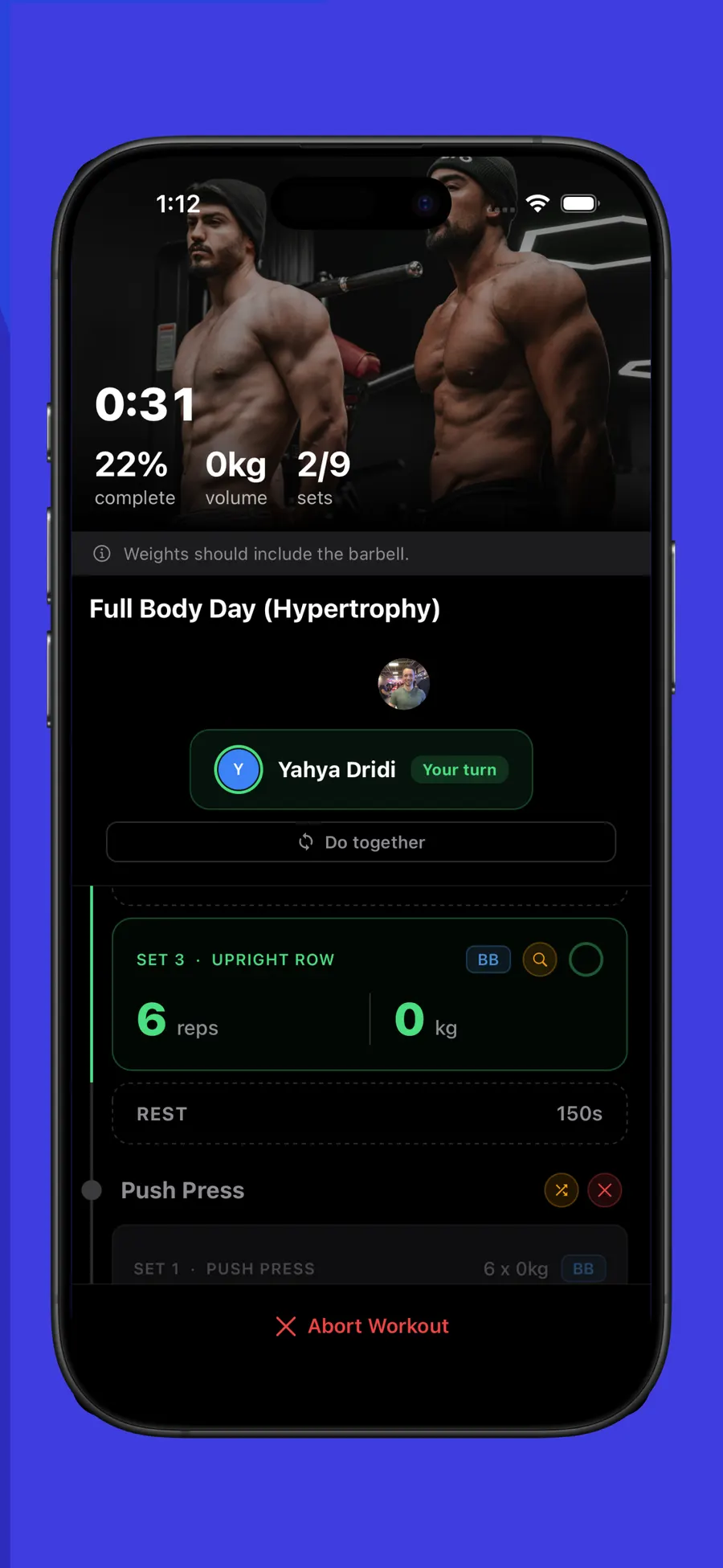
A Workout With Me a sokoldalú edzőalkalmazásod: találj edzőtársakat, és hagyd, hogy a S.H.A.R.P a regenerációd köré építse fel az edzéseidet.
- Edzések követése
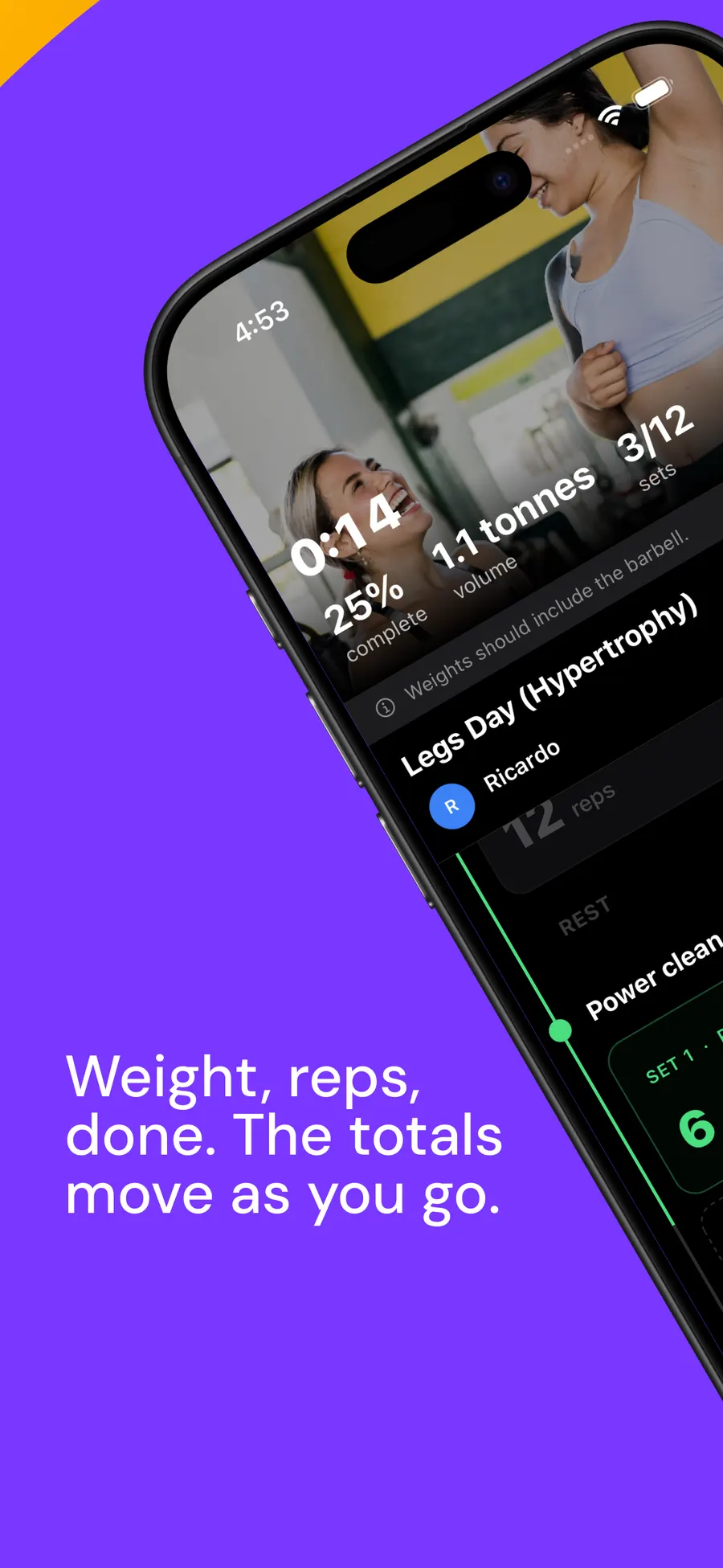
- Szetek, ismétlések és súlyok naplózása
- Gyakorlattár
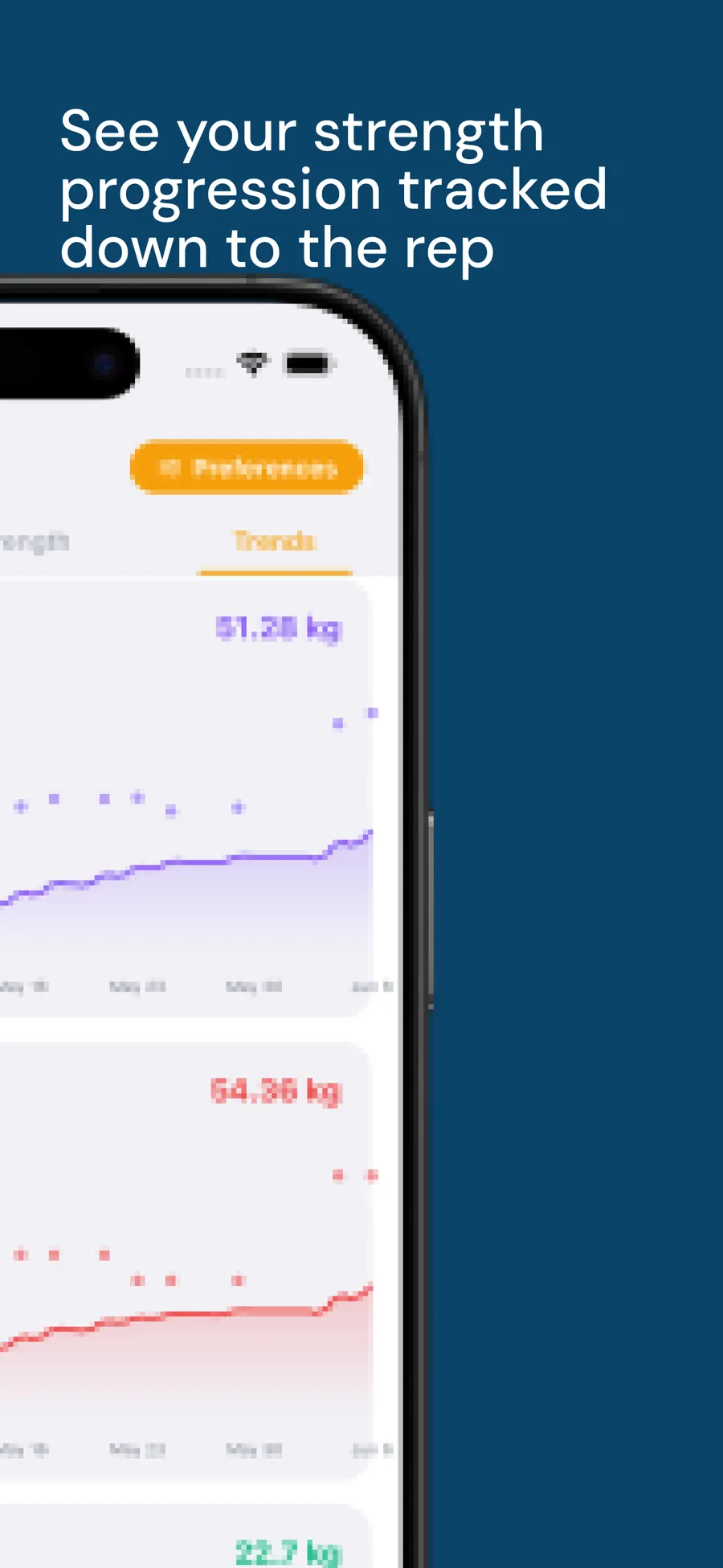
- Volumen- és előzménygrafikonok
- Pihenőidő-mérők
- Egyéni rekord (PR) jelvények
- Kalóriabecslés
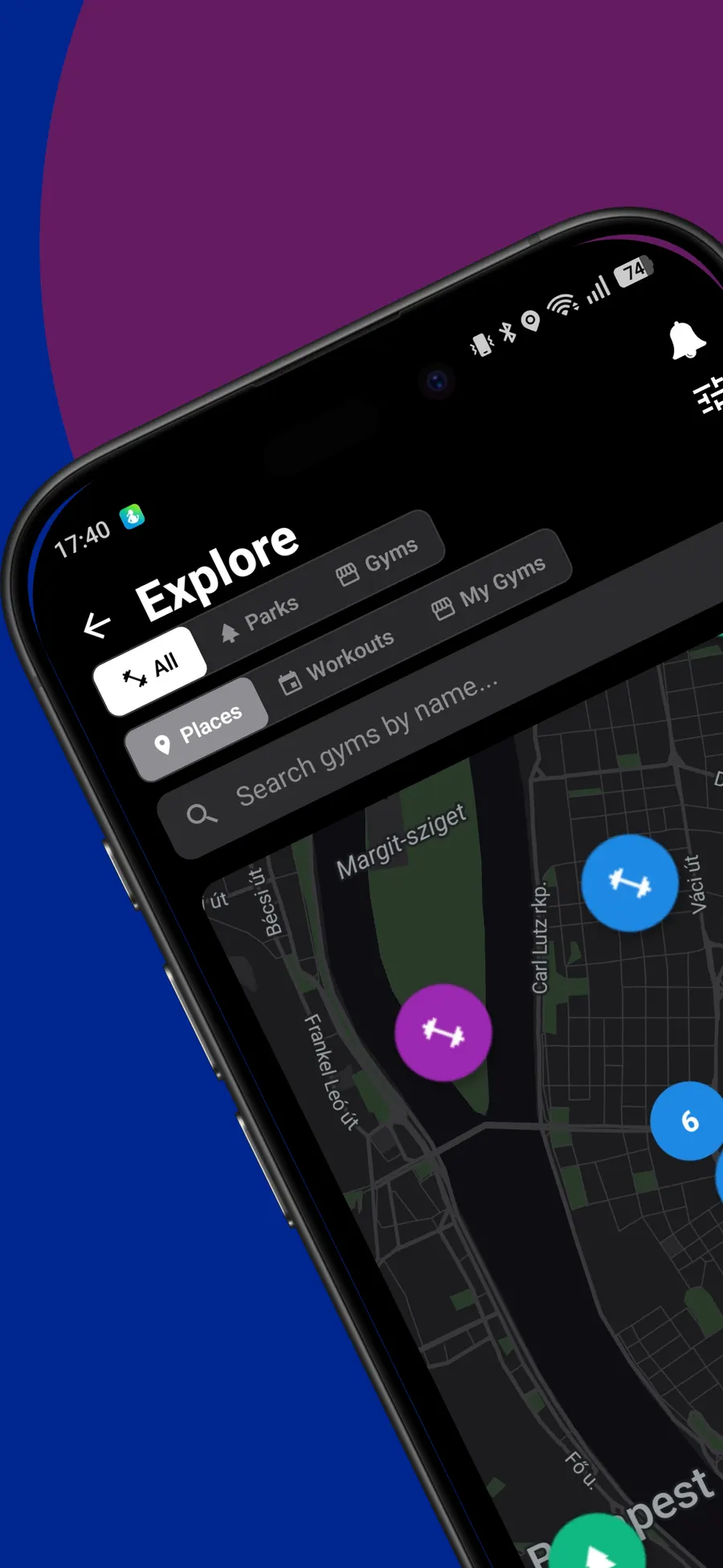
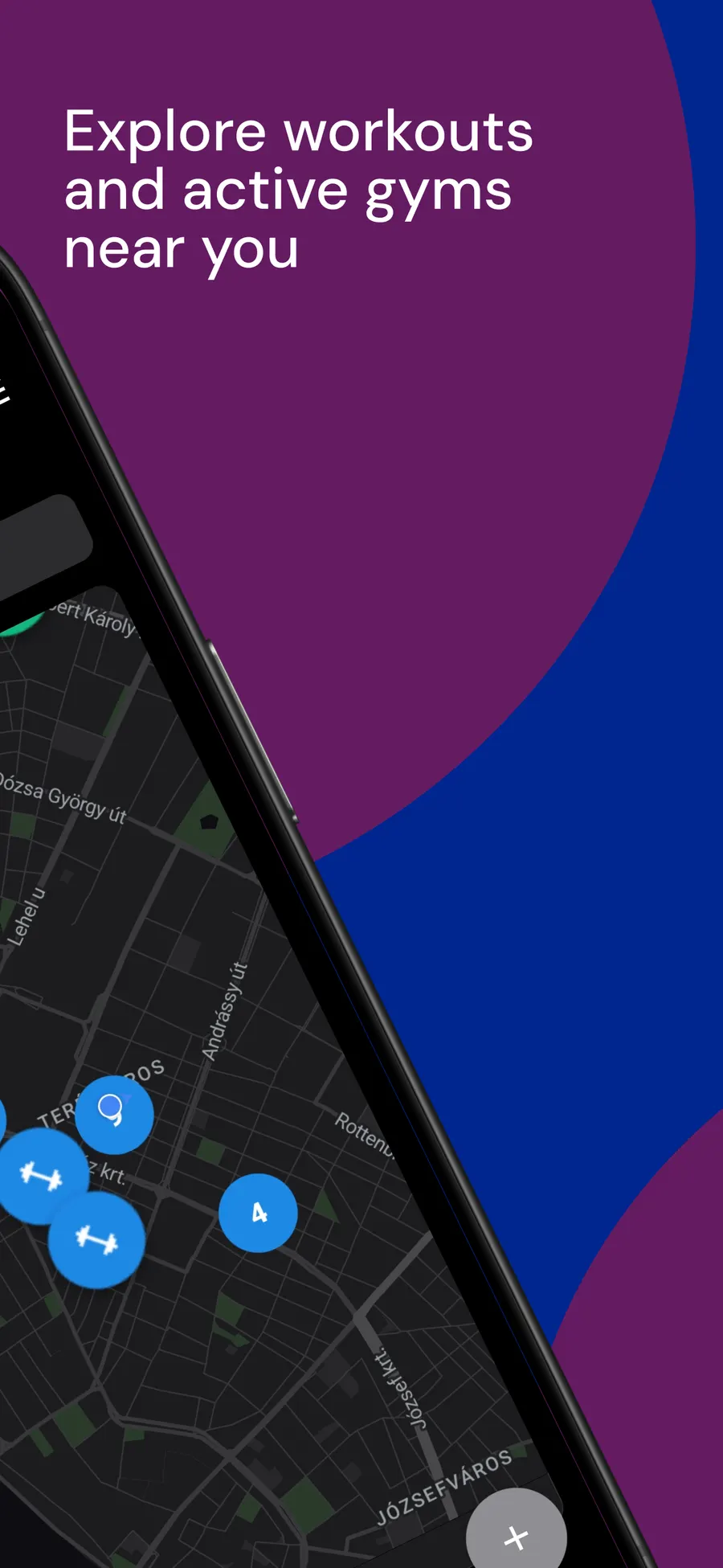
- Súlyemelők és saját testsúlyos sportolók a közeledben
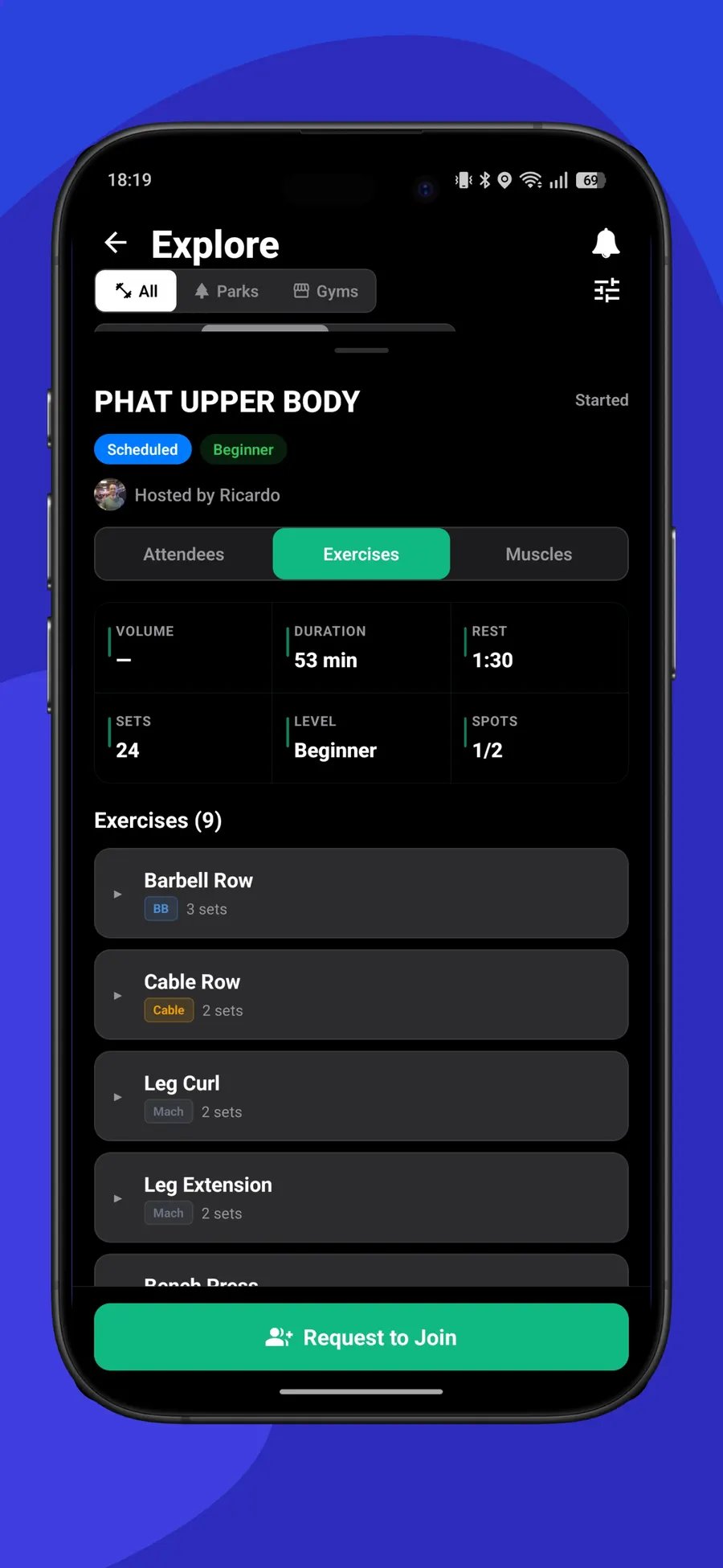
- Csatlakozz vagy szervezz edzést egyetlen koppintással
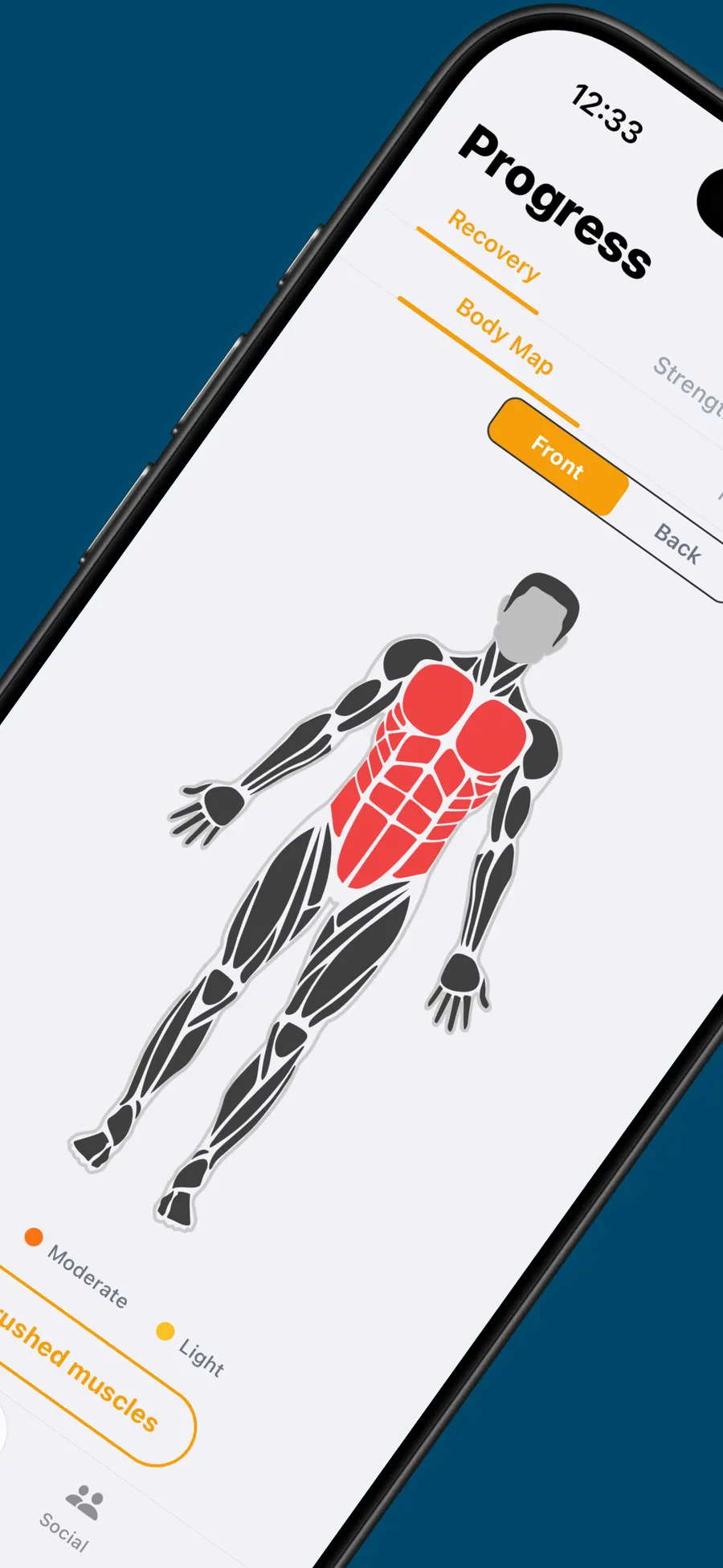
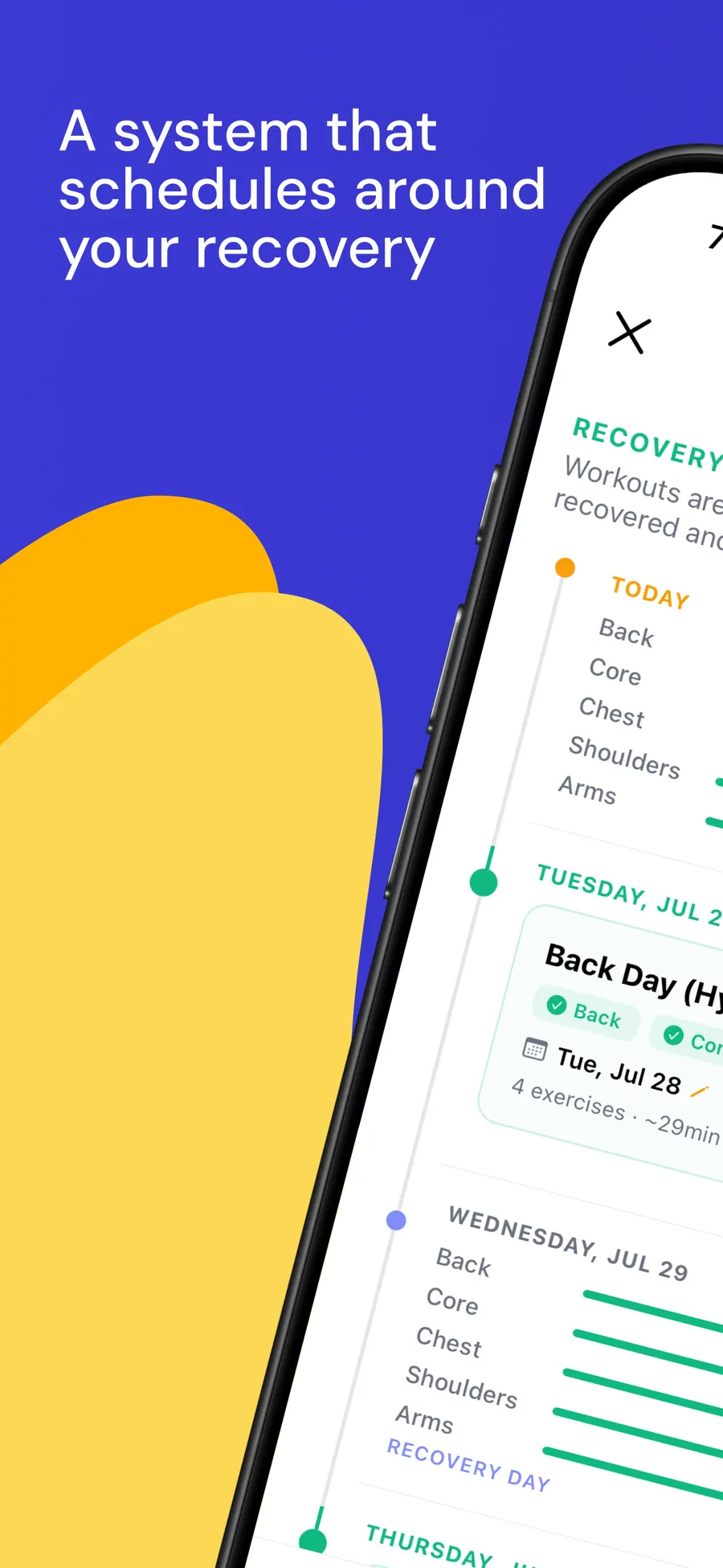
- Regeneráció-alapú edzés 19 izomcsoportra kiterjedően
- Prémium, kutatásokon alapuló rendszer, ami megtervezi a következő edzésed
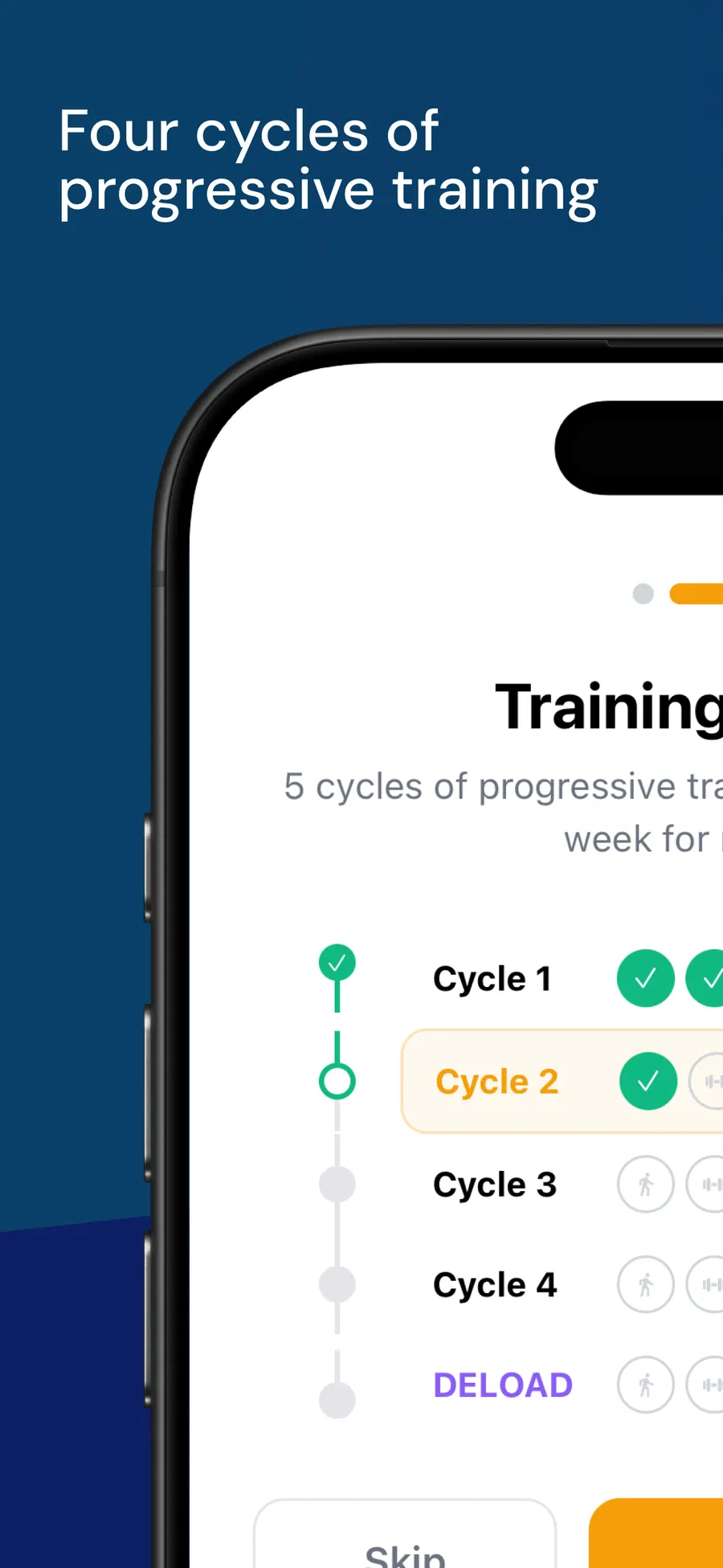
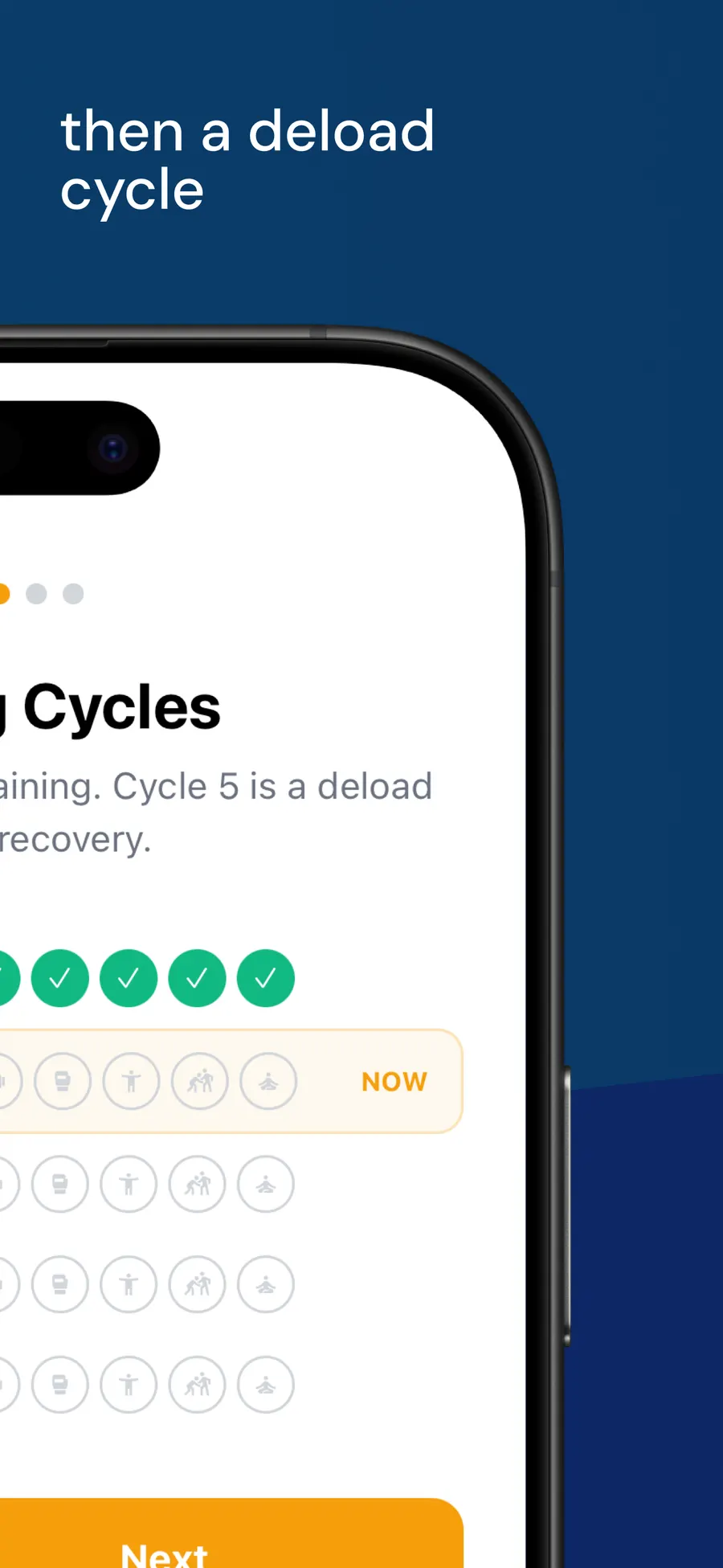
- Prémium programok beépített progresszív túlterheléssel és deloadokkal
Mások már együtt edzenek
Kezd d el 3 egyszerű lépésben
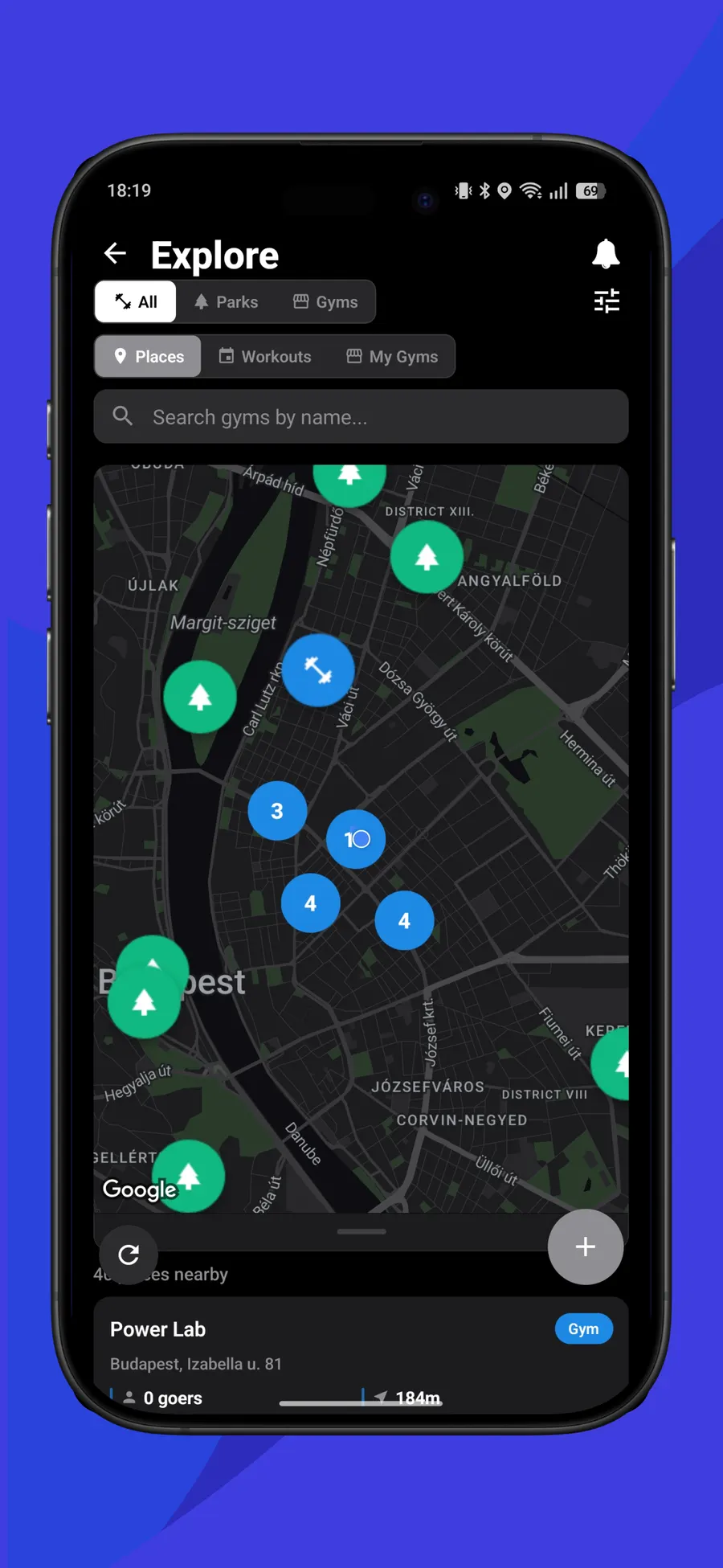
Hozz létre egy edzést egy teremben vagy parkban
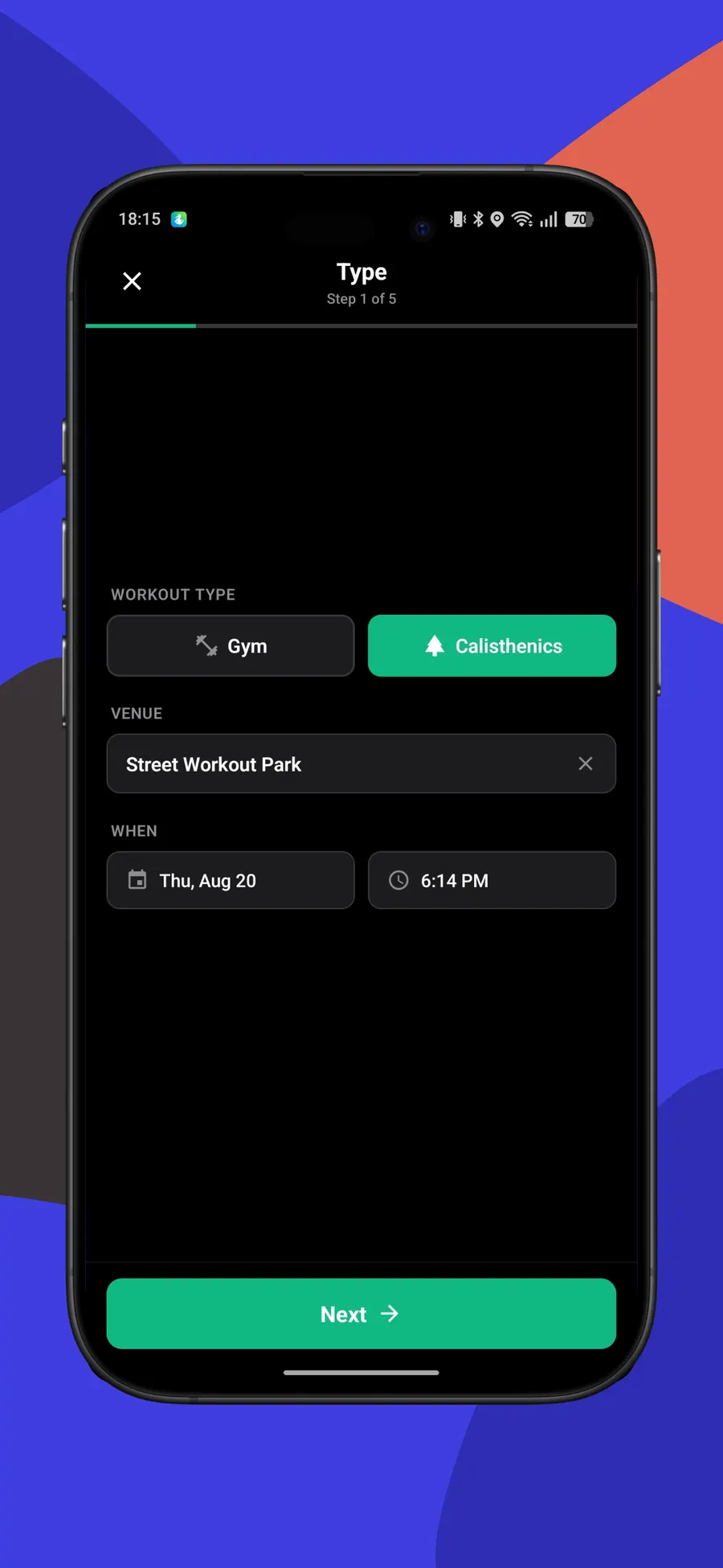
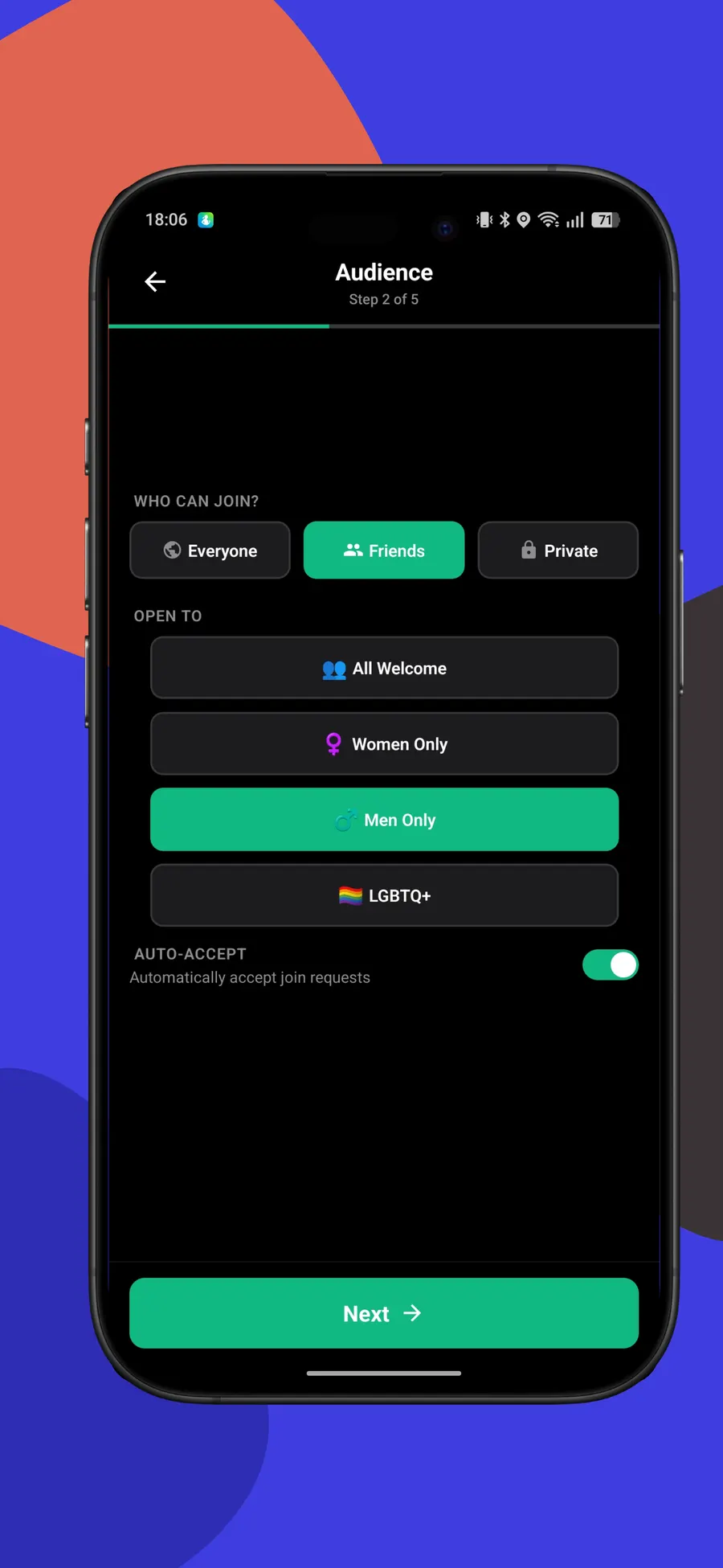
Válaszd ki pontosan, ki csatlakozhat
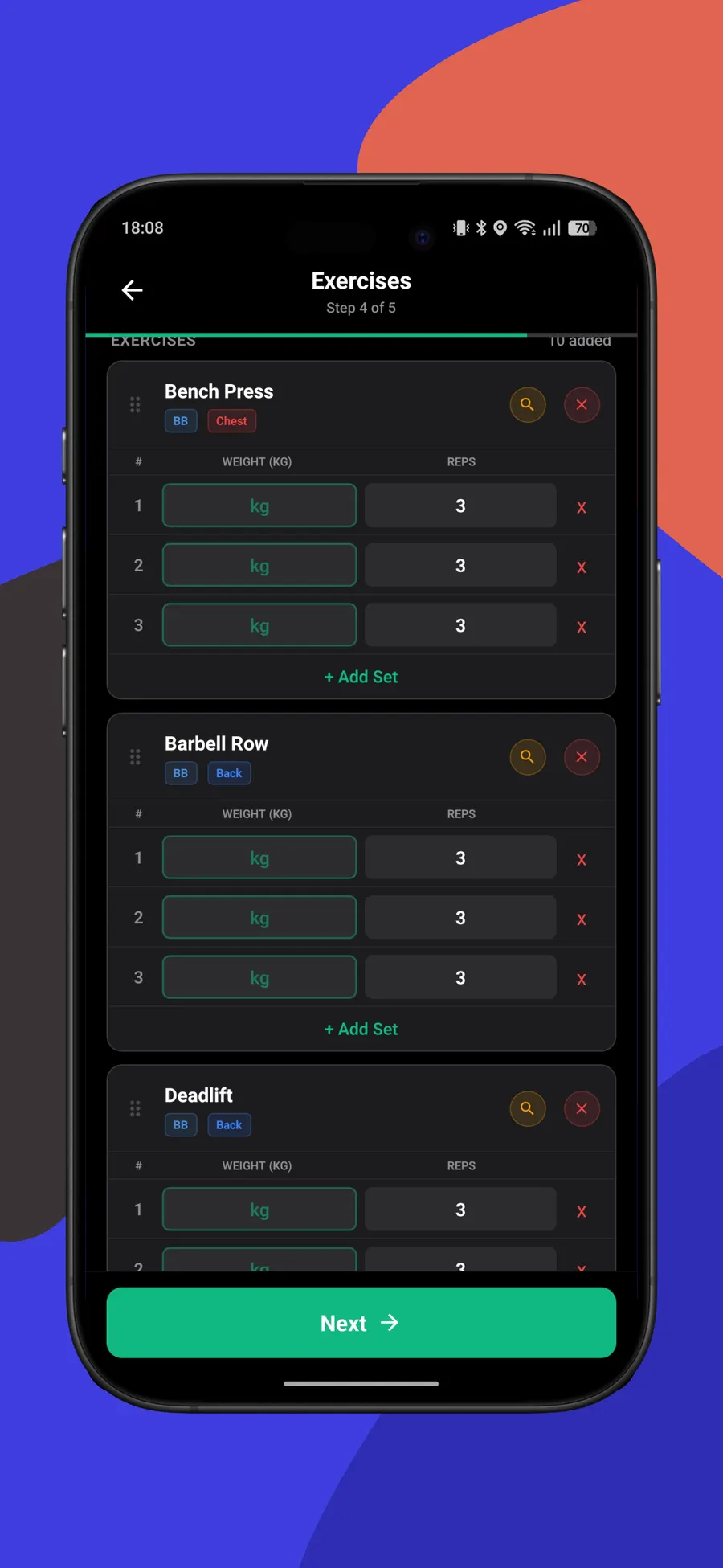
Állítsd be a gyakorlatokat, szériákat és ismétléseket
Továbbiak tőle: Workout With Me
Edzés, ami követi a regenerációdat
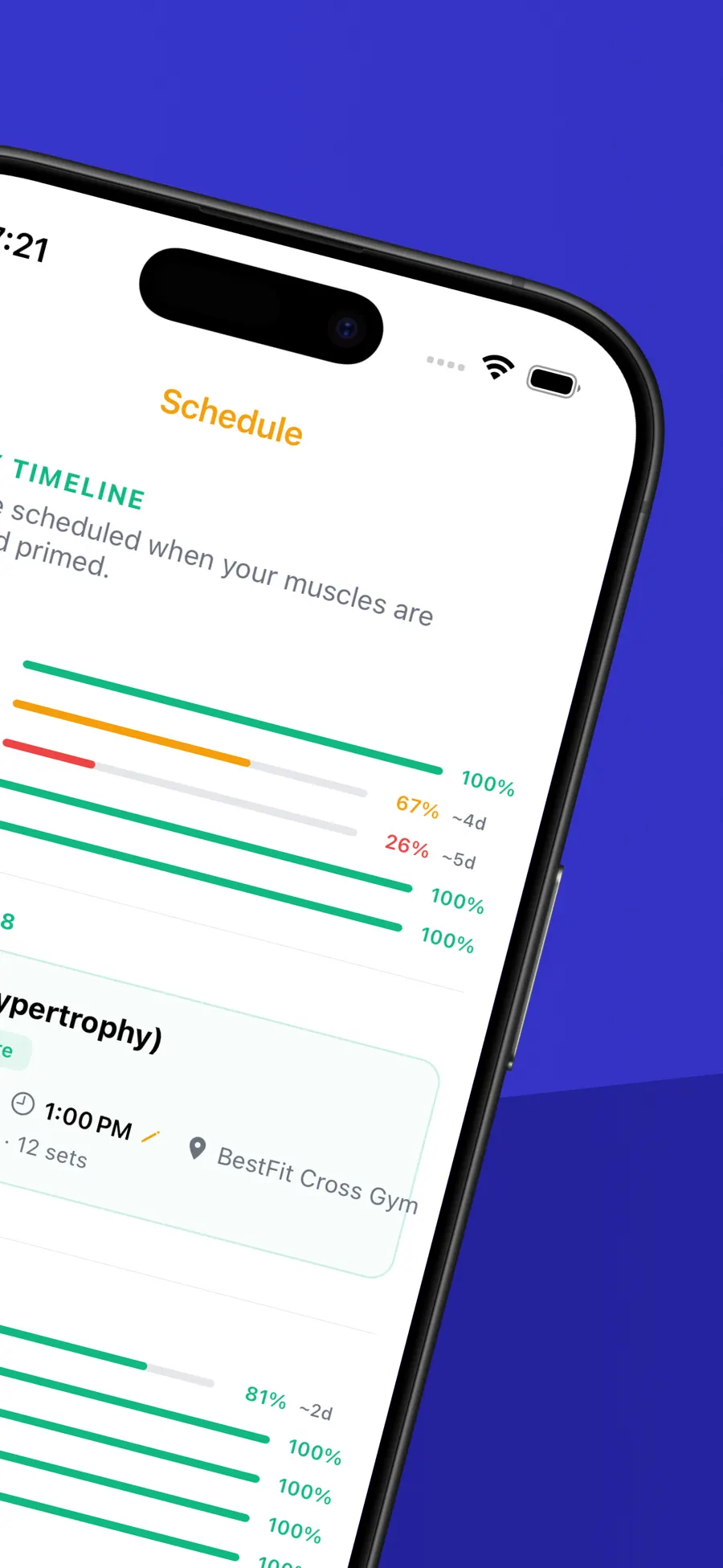
A S.H.A.R.P motor minden edzést akkorra ütemez, amikor az izmaid valóban készen állnak, nem pedig egy fix naptár szerint.
Fedezd fel tovább a Workout With Me-t
Legfontosabb tudnivalók
- A hard-trained muscle group typically needs one to three days before it can be trained hard again.
- Different muscles recover at different speeds, so a single rest rule for the whole body is always wrong somewhere.
- How directly an exercise hit a muscle changes how long that muscle needs.
- Newer lifters generally need more recovery time than experienced ones, not less.
- Workout With Me tracks all of this per muscle and only schedules a group once it is 80% recovered.
Mi az a Rest Between Workouts?
The time a muscle group needs after training before it can productively be trained hard again. It varies by muscle, by how directly the exercise loaded that muscle, and by the lifter's training experience, which is why a fixed rest interval for the whole body suits nobody exactly.
The Short Answer. For most people, a muscle group trained hard needs somewhere between one and three days before it's ready for another hard session. Smaller muscles that do a lot of work anyway come back at the quick end. Big movers that took a heavy compound session sit at the slow end. Your lower back is usually the slowest thing in the building.
It Depends on the Muscle. Recovery is not one number for your whole body. Core and forearms turn around fast because they're built for repeated low-load work. Quads and glutes after a heavy squat session need considerably longer. This is why full-body-every-other-day and a five-day split can both be correct, just for different muscles.
It Depends on What You Did to It. A back squat and a walking lunge both hit your quads, but not to the same degree. A muscle that was the primary mover in a heavy compound needs meaningfully more time than one that was stabilising. Programming that treats both as "legs trained" is throwing away the distinction that matters.
It Depends on Your Training Age. Newer lifters need more rest, not less. Work capacity, technique efficiency and the sheer novelty of the stimulus all mean a beginner's session costs more to recover from than the same session does for someone five years in. Recovery gets faster as you get more trained, though the gains taper off.
Rest Days Are Not Days Off. The adaptation you're chasing happens during the rest, not during the set. A rest day is when the work you already did turns into something. Skipping it doesn't get you there faster, it just means the next session starts from a worse place than the last one did.
Or You Can Just Let the App Work It Out. Workout With Me starts a recovery clock on every muscle you train, sized to your experience level and to how hard that specific muscle got hit. It brings a muscle back into rotation once it's 80% recovered, and if nothing is ready it says so and tells you when to come back. You stop doing the arithmetic.
Az izomnak az edzések között szükséges pihenés függ a méretétől, a terhelés közvetlenségétől és az edzési tapasztalatodtól. Ezért működik az izomregeneráció-követő vagy a regenerációs idő kalkulátor izomcsoportonként, nem pedig egyetlen fix intervallum alapján.