A Muscle Recovery Tracker That Actually Plans Around You
19 svalových skupin, jedna mapa těla a tvůj příští trénink postavený přímo na ní.
Jaký jsi typ sportovce?
Nejen tréninkový deník. Tréninková komunita.
Workout With Me je tvá všestranná tréninková aplikace: najdi si lidi na cvičení a nech S.H.A.R.P naplánovat každý trénink podle tvé regenerace.
- Sledování tréninků
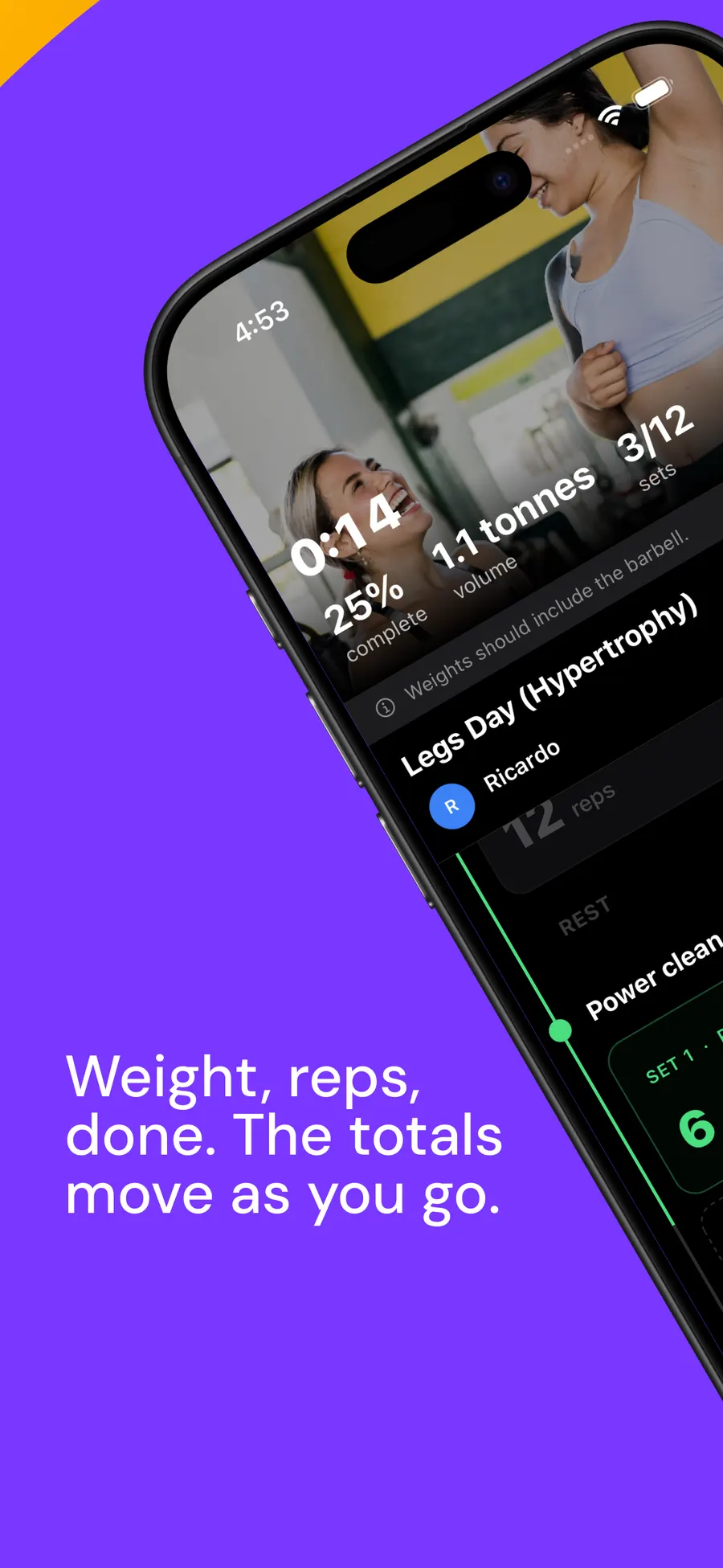
- Zapisování sérií, opakování a váhy
- Knihovna cviků
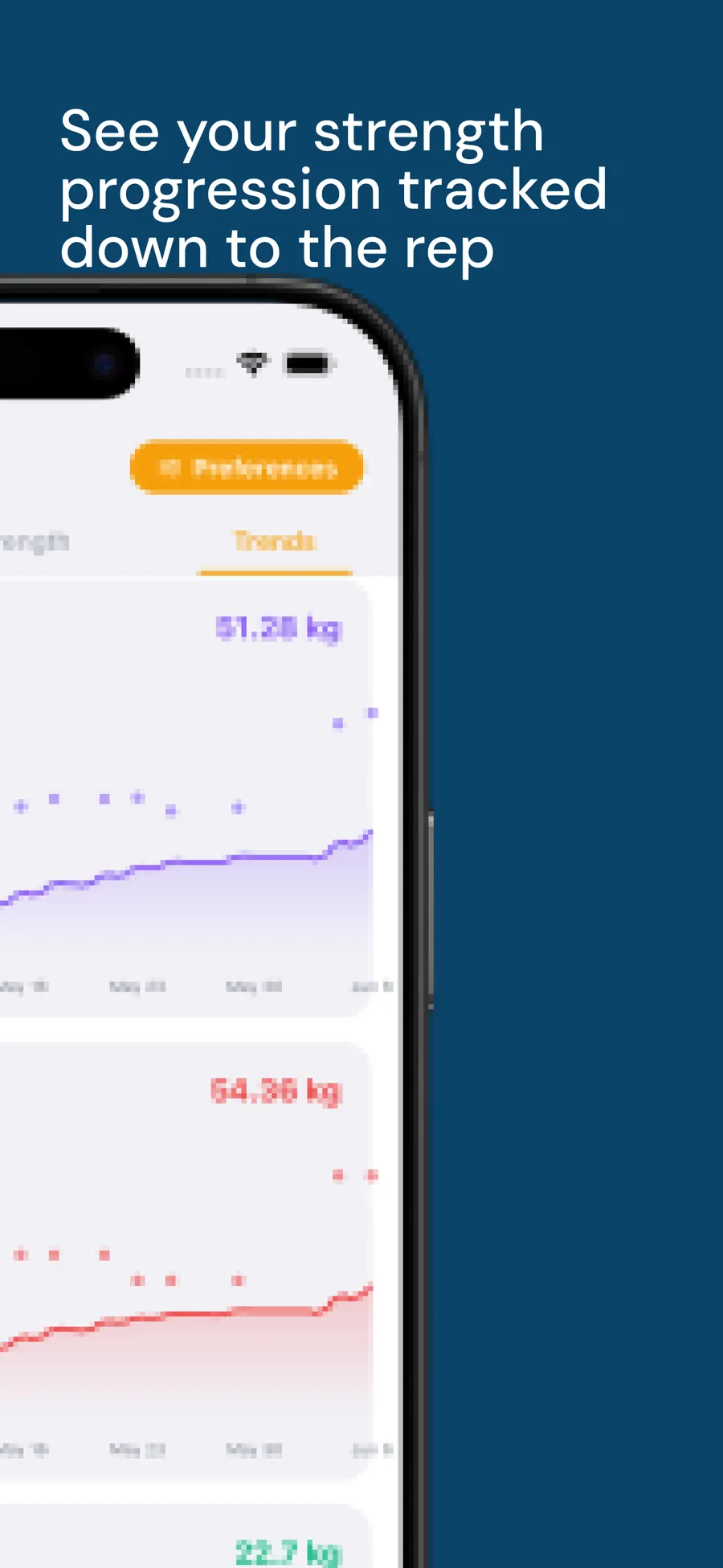
- Grafy objemu a historie
- Časovače odpočinku
- Odznaky za osobní rekordy
- Odhad spálených kalorií
- Vzpěrači a kalistenici ve tvém okolí
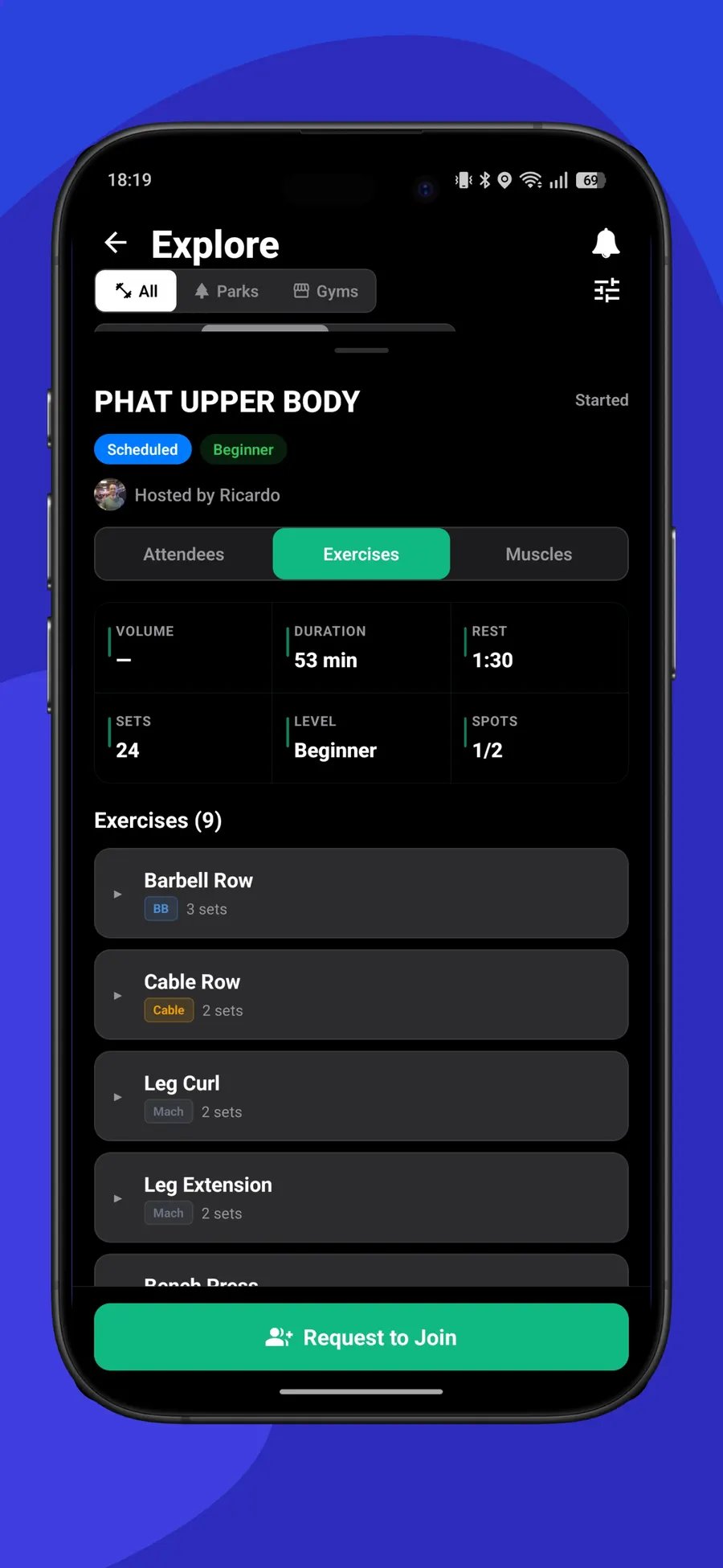
- Přidej se nebo uspořádej trénink jedním klepnutím
- Trénink podle regenerace u 19 svalových skupin
- Prémiový, vědecky podložený systém, který naplánuje tvůj další trénink
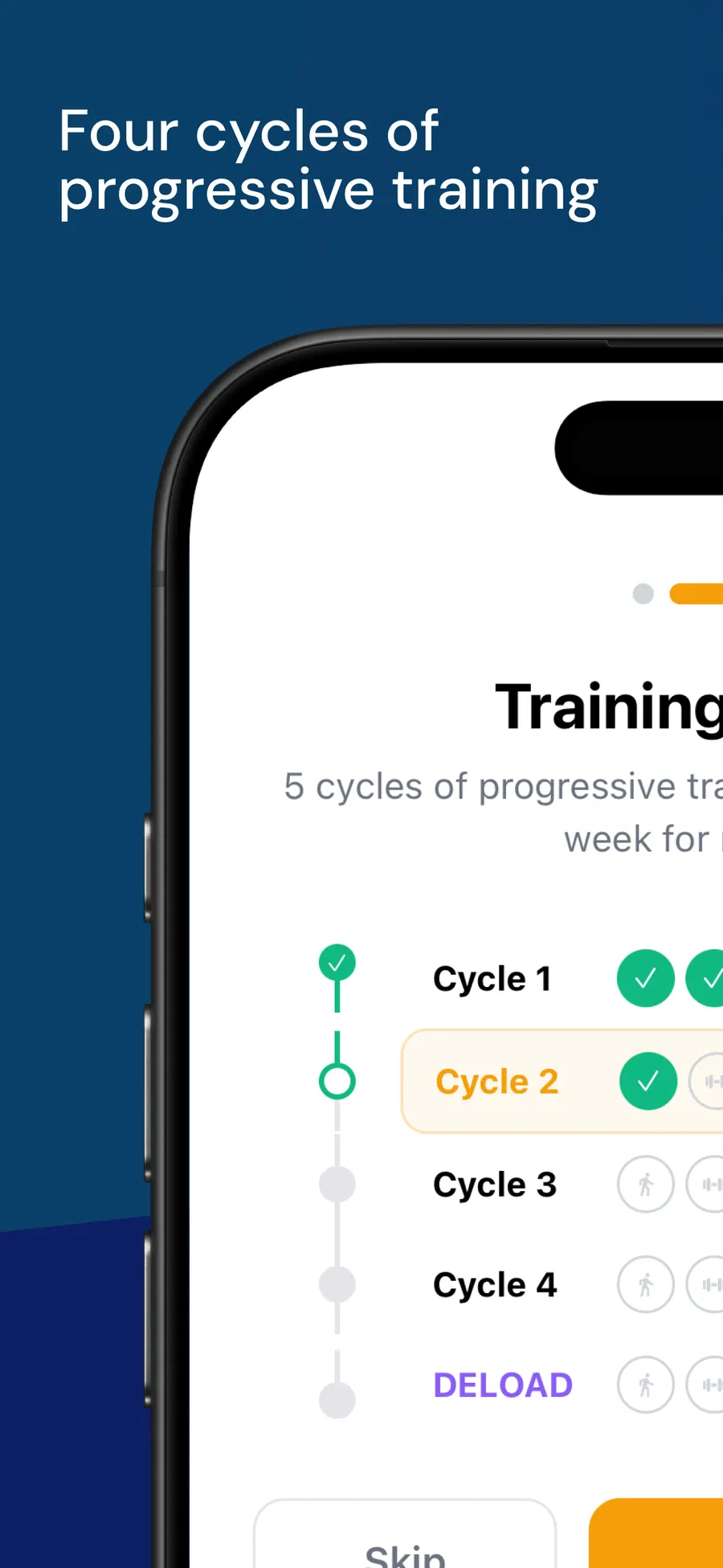
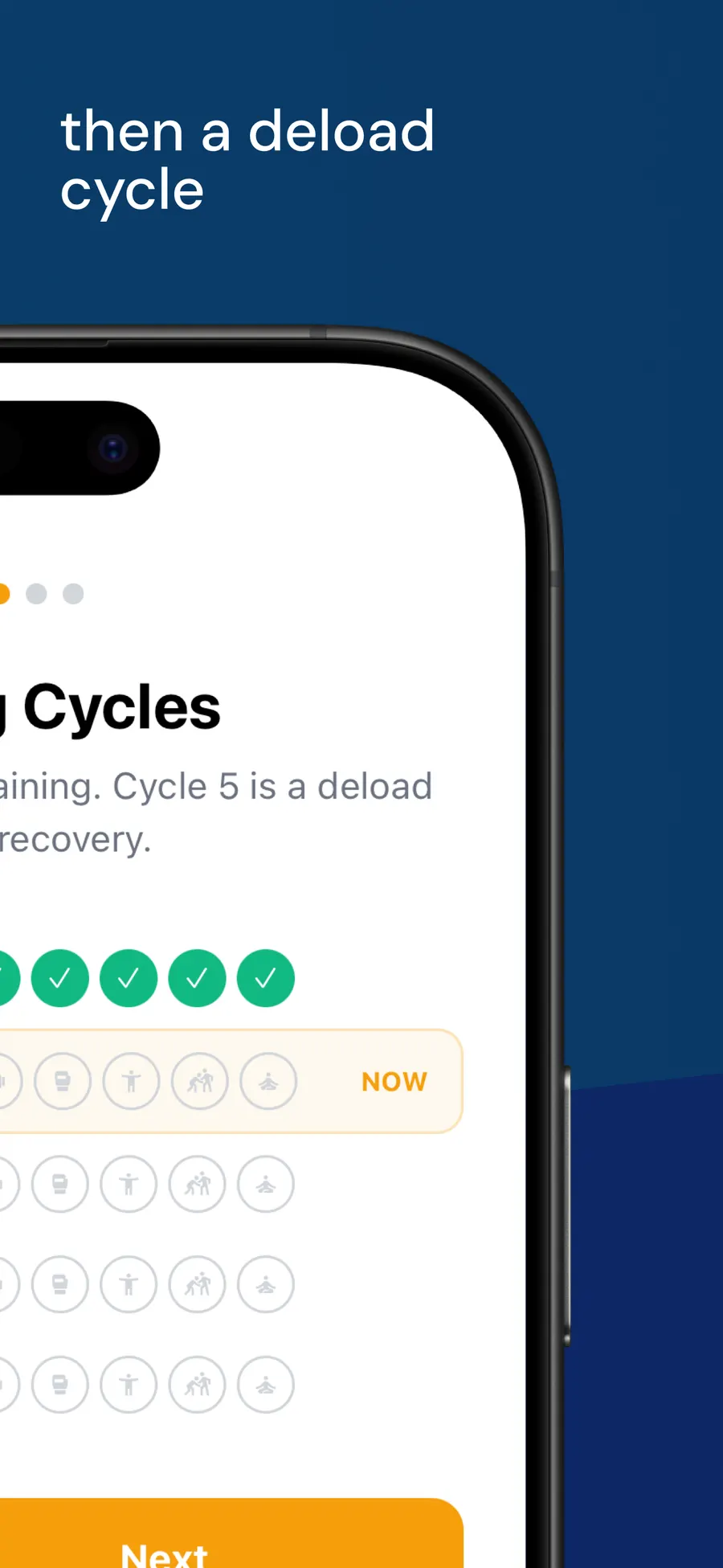
- Prémiové programy s progresivním přetížením a vestavěným deloadem
Lidé už trénují společně
Začni ve 3 jednoduchých krocích
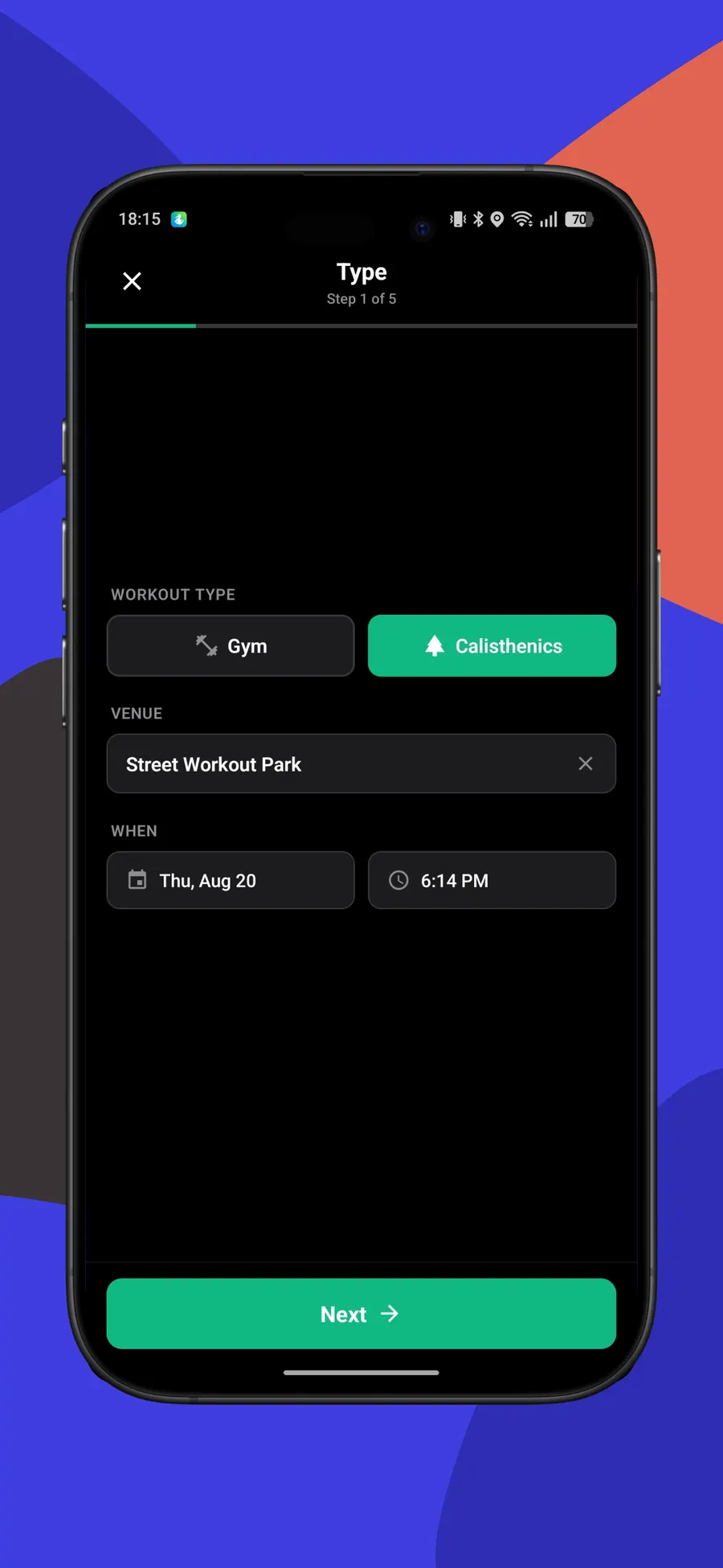
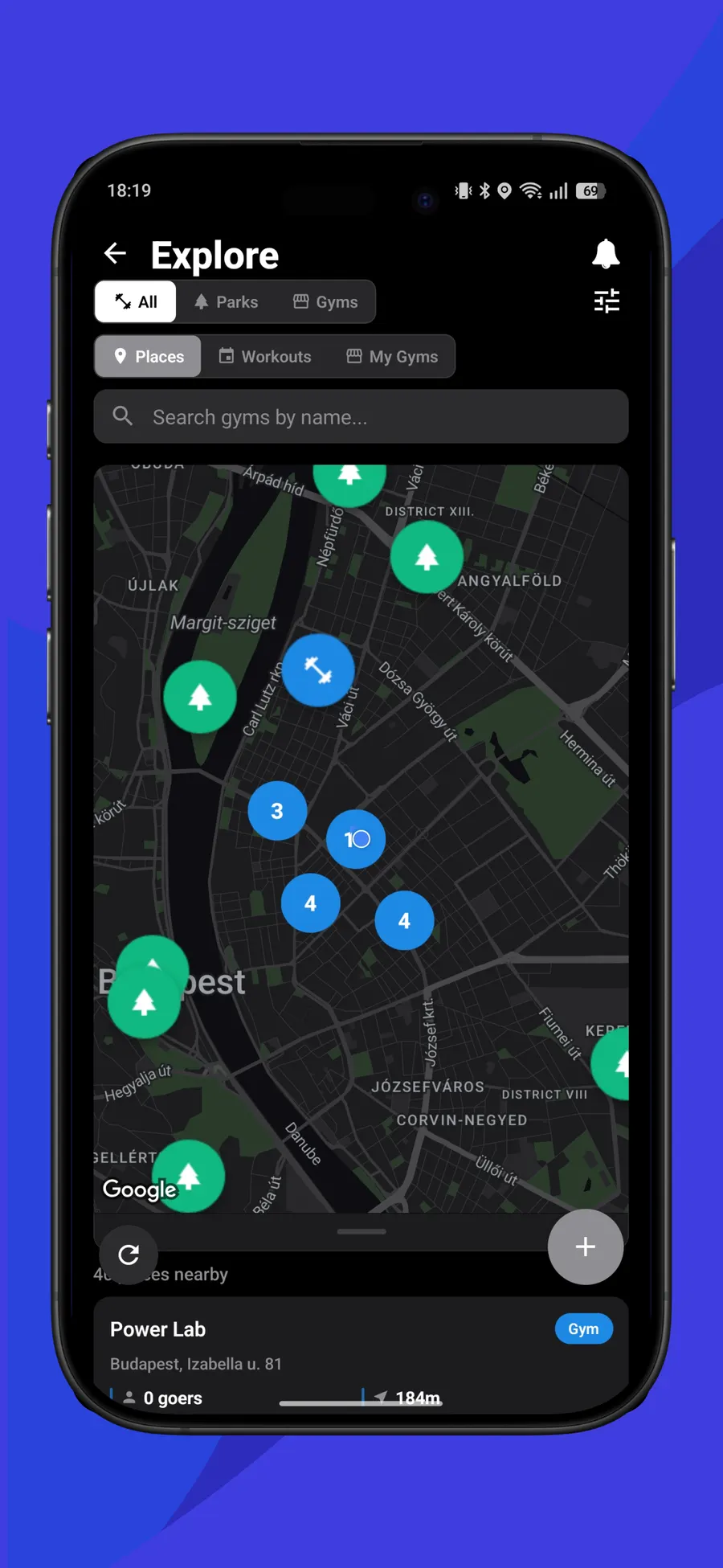
Vytvořte trénink v posilovně nebo v parku
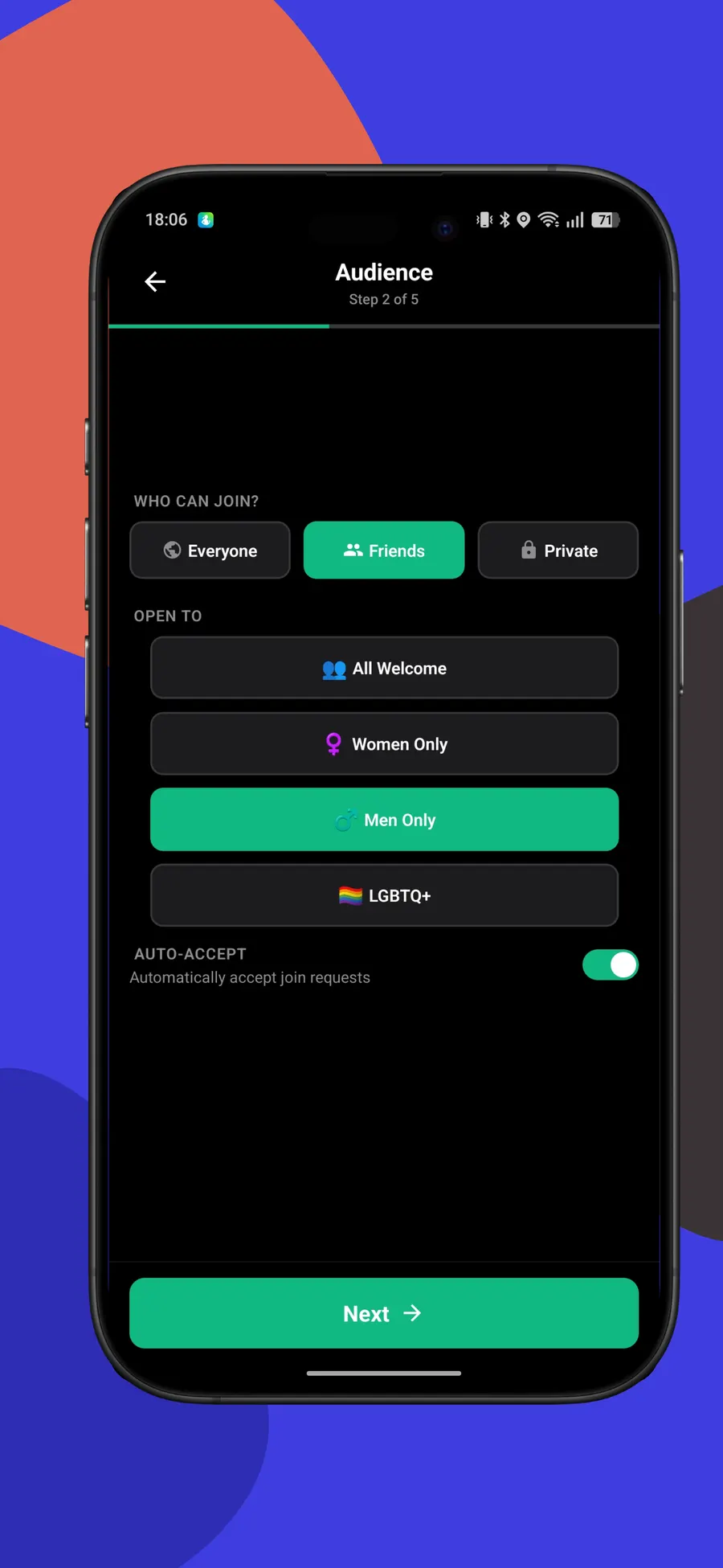
Zvolte si přesně, kdo se může přidat
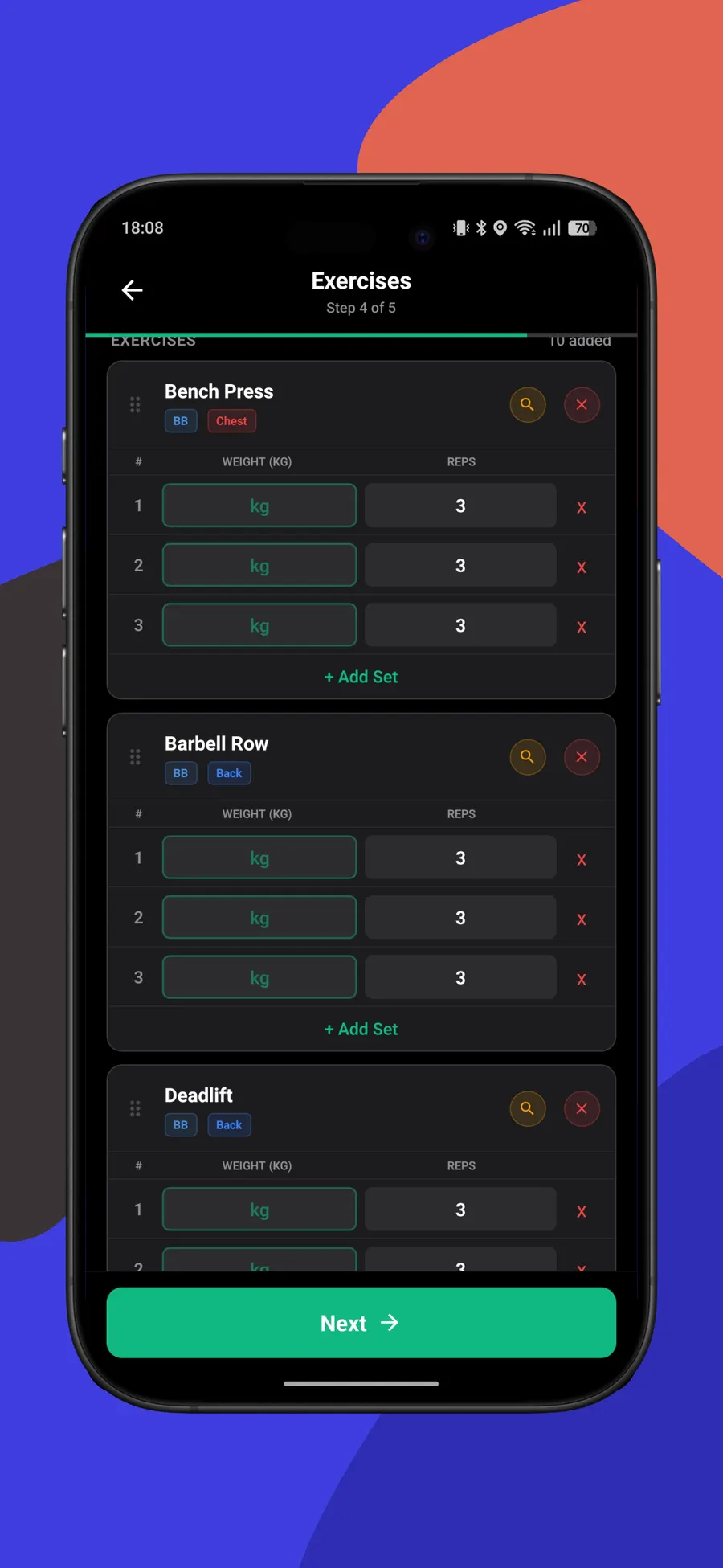
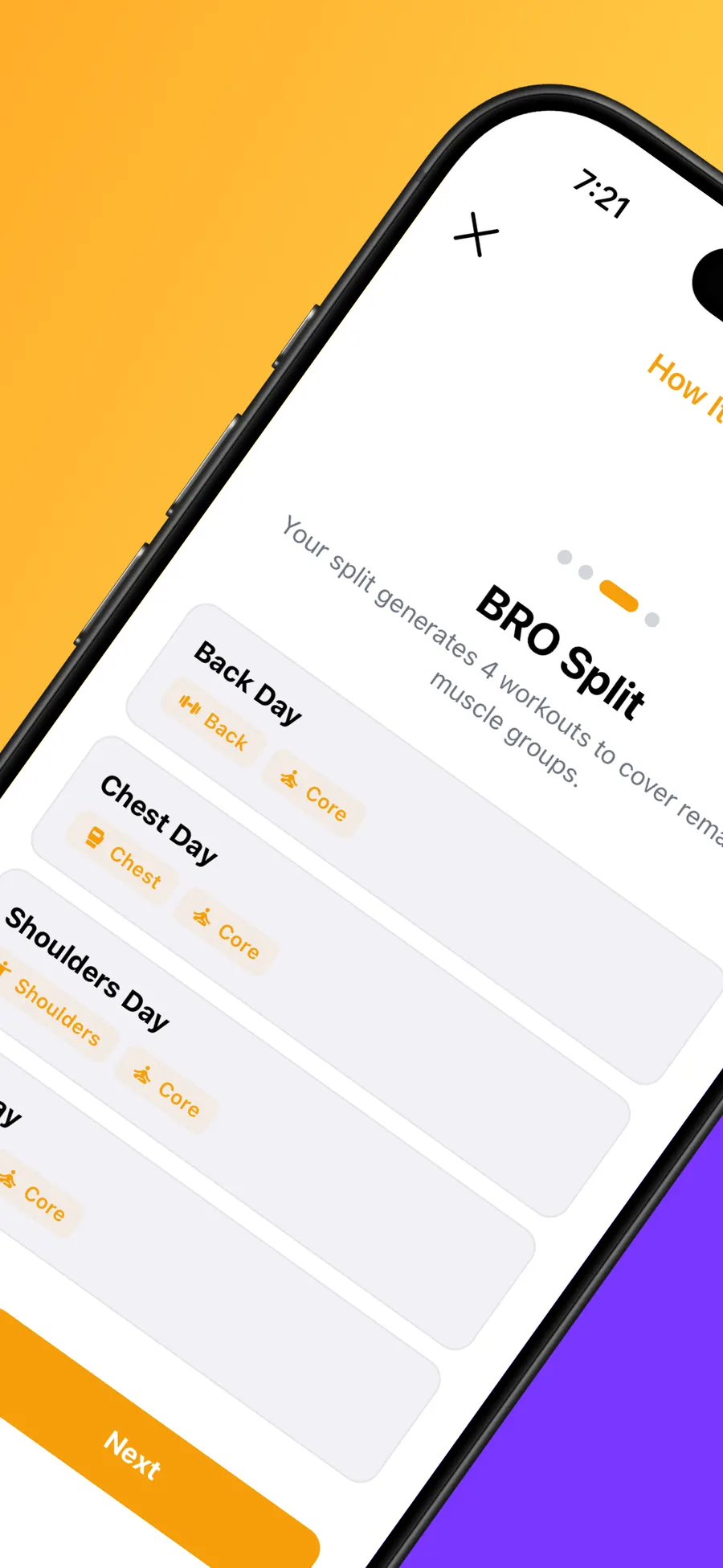
Nastavte cviky, série a opakování
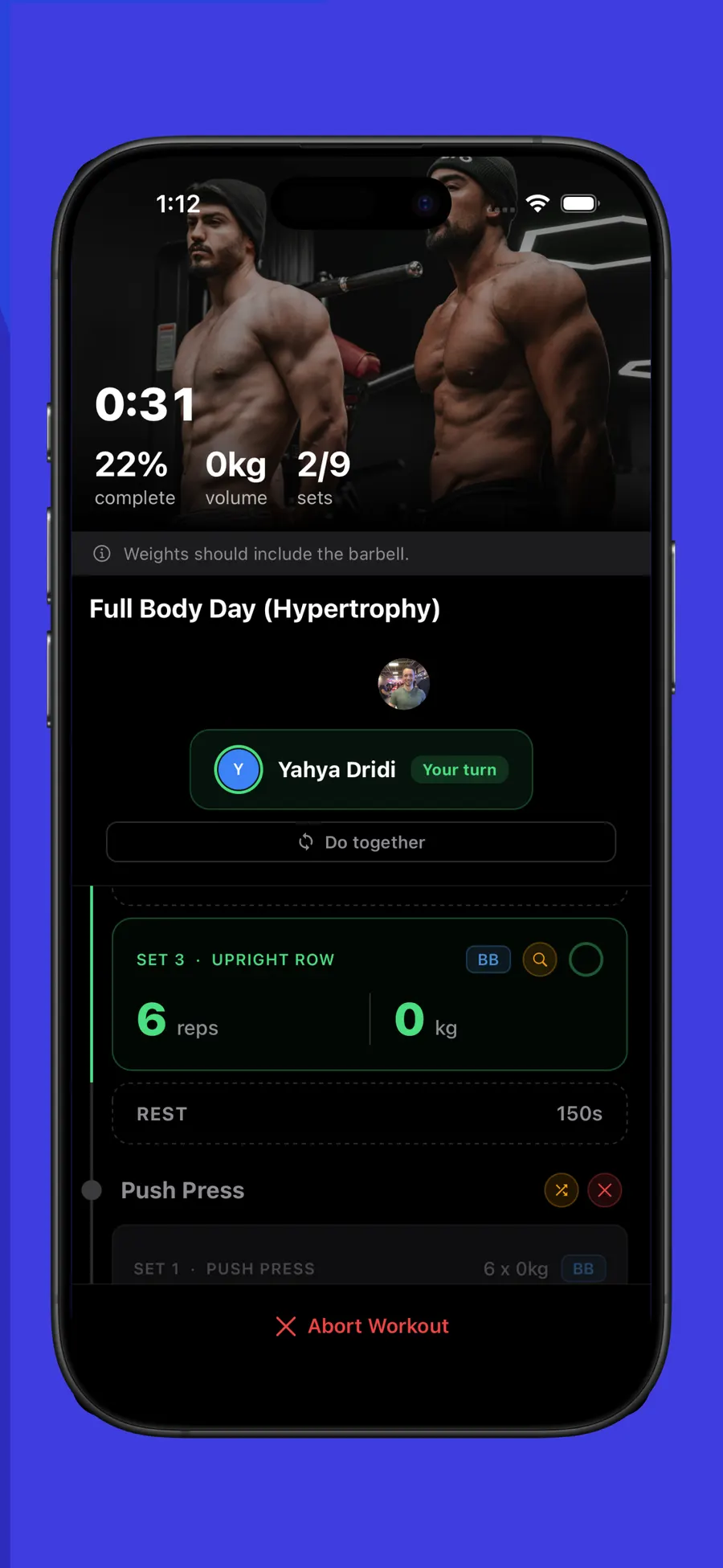
Více od Workout With Me
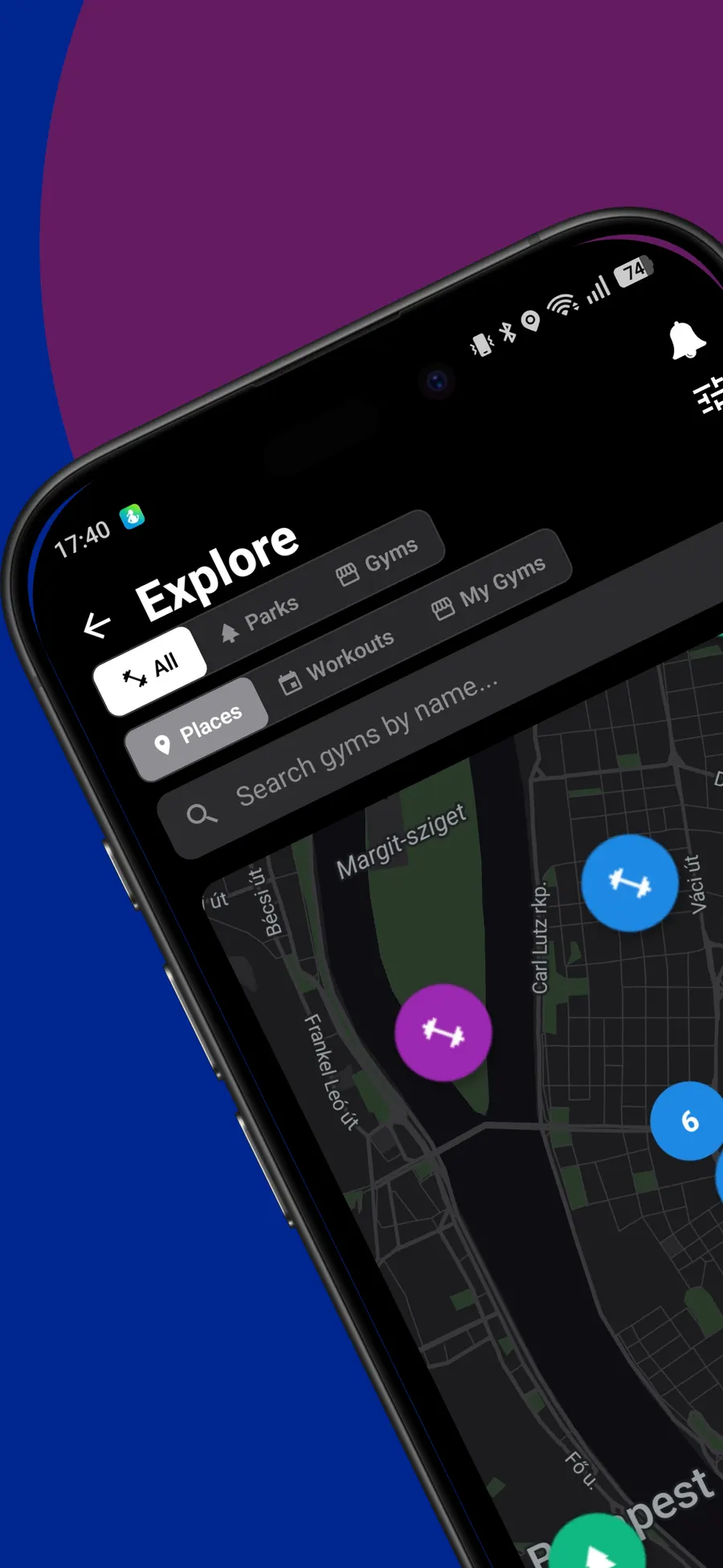
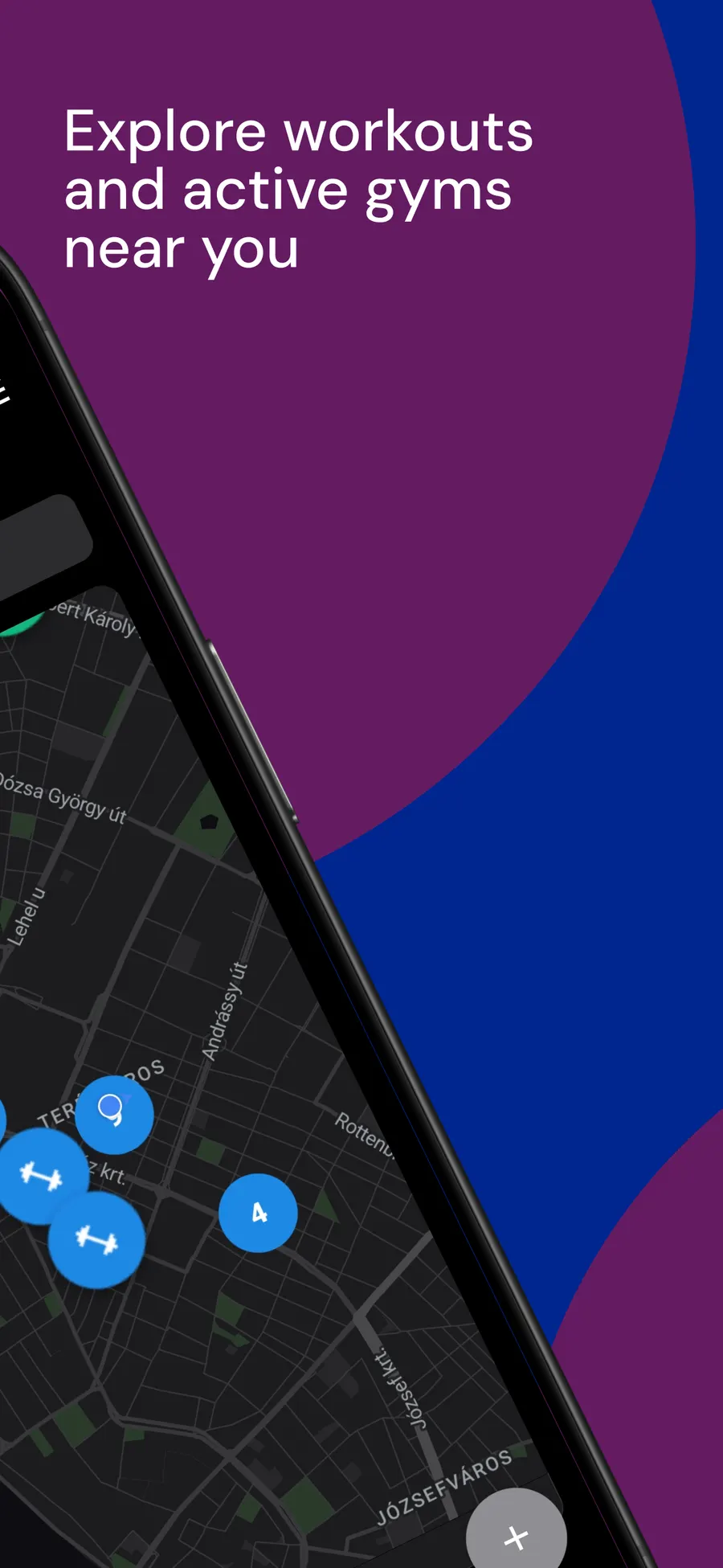
Trénink, který se řídí vaší regenerací
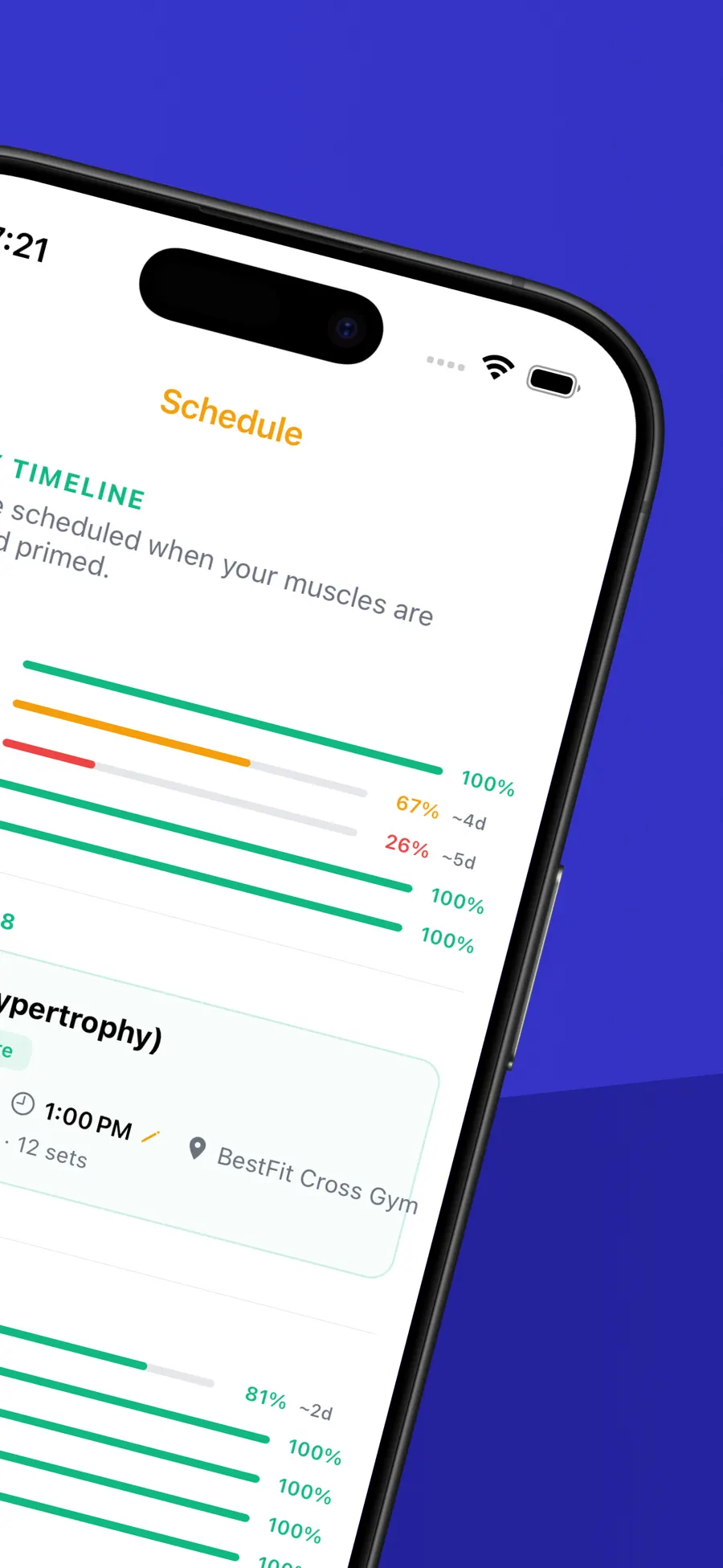
Systém S.H.A.R.P plánuje každý trénink na dobu, kdy jsou vaše svaly skutečně připravené, ne podle pevného kalendáře.
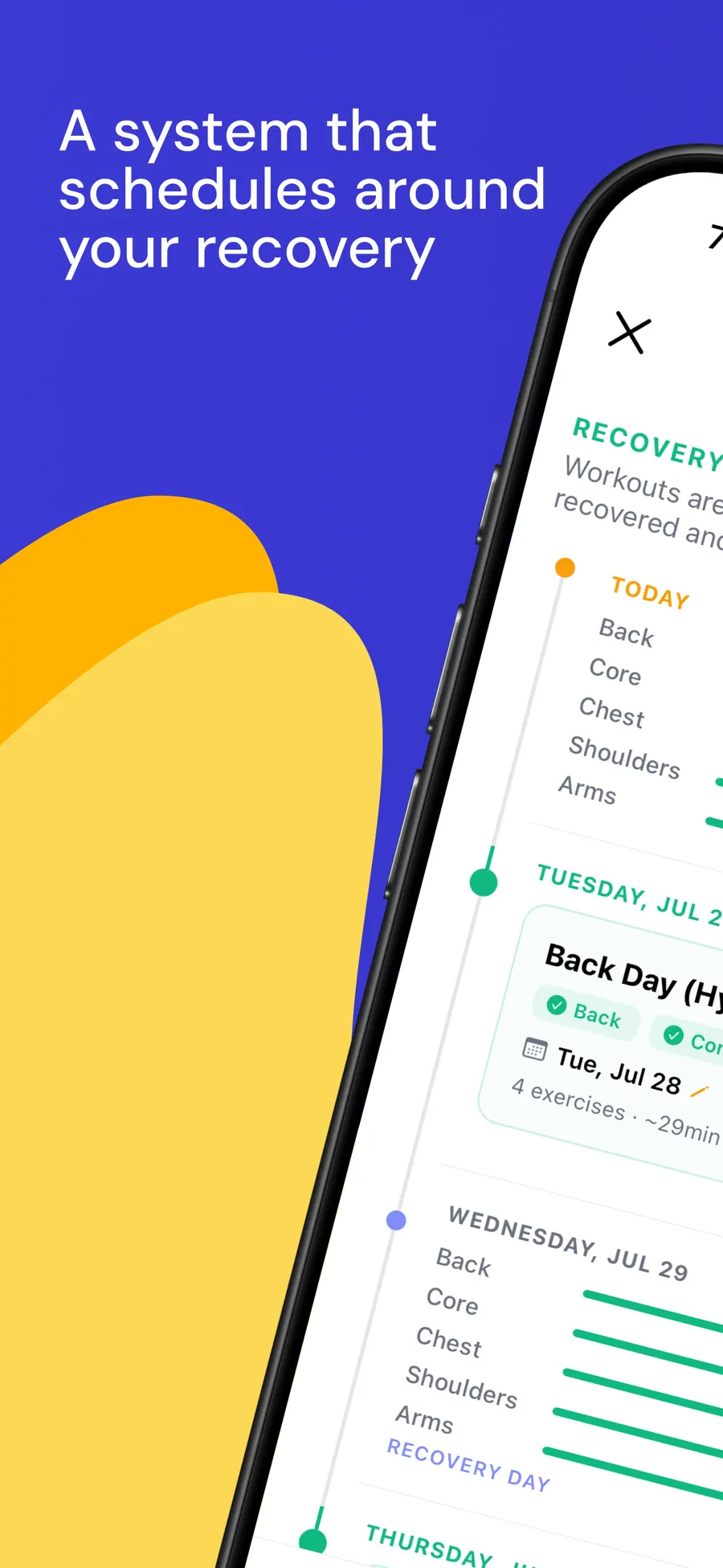
Objevujte dál Workout With Me
Klíčové poznatky
- Workout With Me tracks muscle recovery across 19 subcategories on a front and back body map.
- Worked muscles light up by how hard they were hit and fade back to neutral as they recover.
- The Muscle Breakdown view gives every group a status, a percentage, and the time remaining.
- Recovery windows scale with your training experience and with how directly each exercise hit the muscle.
- The tracker feeds the S.H.A.R.P engine directly, so recovery decides your next workout instead of just describing it.
Co je Muscle Recovery Tracker?
A tool that models how far each muscle group has progressed through recovery after training, usually shown on a body map, so a lifter can tell which muscles are ready to be trained again and which still need time.
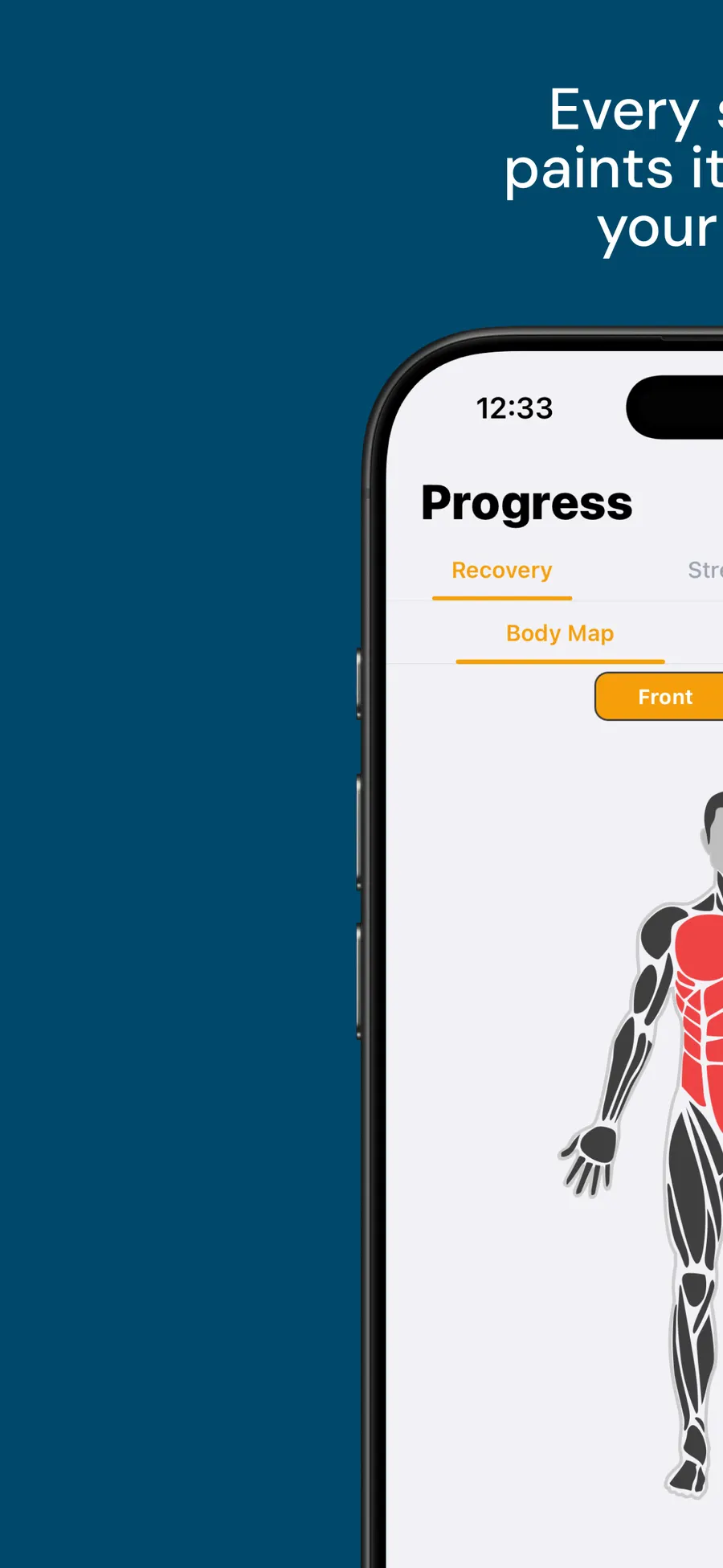
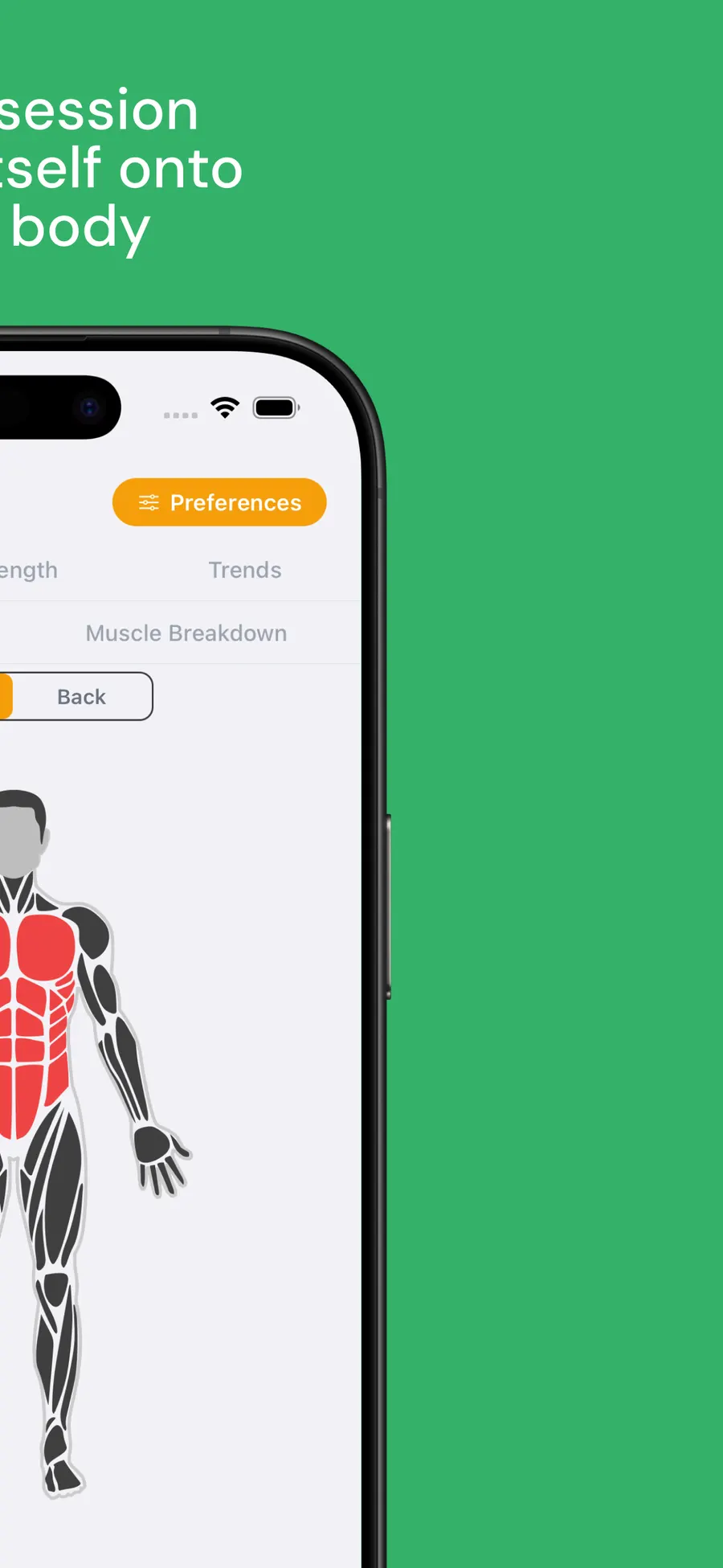
A Body Map You Can Read Instantly. Front and back views of your whole body. Whatever you worked lights up by how hard it got hit, heavy through moderate to light, and fades back to neutral as it heals. You don't have to interpret anything. If it's still coloured in, it's still coming back.
19 Muscle Groups, Not 6. Recovery is tracked across legs, chest, back, shoulders, arms and core, but each of those breaks down further, 19 subcategories in total. Your chest is upper, middle and lower separately. That matters, because an incline press and a dip do not leave you in the same state.
Percentages, Not Vibes. Switch to Muscle Breakdown and every group gets a label and a number: CRUSHED, IN RECOVERY, or RECOVERED, with a percentage and how long is left. Expand a group and you see it muscle by muscle, along with the exercise that did the damage.
It Knows What You Actually Did. A muscle that was the star of the session gets a longer clock than one that was just helping out, and the windows scale with your training experience, following established recovery research. A newer lifter and a seasoned one doing the same squat session are not in the same place the next morning.
Tell It What It Missed. Football on Sunday, a class at another gym, a session you never logged? Tap Mark crushed muscles, select what feels wrecked, and it counts. The tracker is only as good as what it knows about, so this is the feature that keeps it honest.
It Doesn't Just Report, It Decides. This is where a recovery tracker stops being a dashboard. The same data drives what you get told to train: muscles at 80% or better go into the pool, everything else waits, and your next session is built from the difference.
Odpočinek, který sval potřebuje mezi tréninky, závisí na jeho velikosti, míře přímého zatížení a vašich tréninkových zkušenostech. Proto sledování regenerace svalů nebo kalkulačka doby regenerace funguje pro každou svalovou skupinu zvlášť, nikoli na základě jednoho pevného intervalu.