August 29, 2026 · 8 phút đọc
Bạn tập gym vs Huấn luyện viên
Bạn đang phân vân giữa bạn tập gym và PT? Đây là bài viết phân tích thực tế giúp bạn chọn phương án phù hợp với túi tiền và mục tiêu.
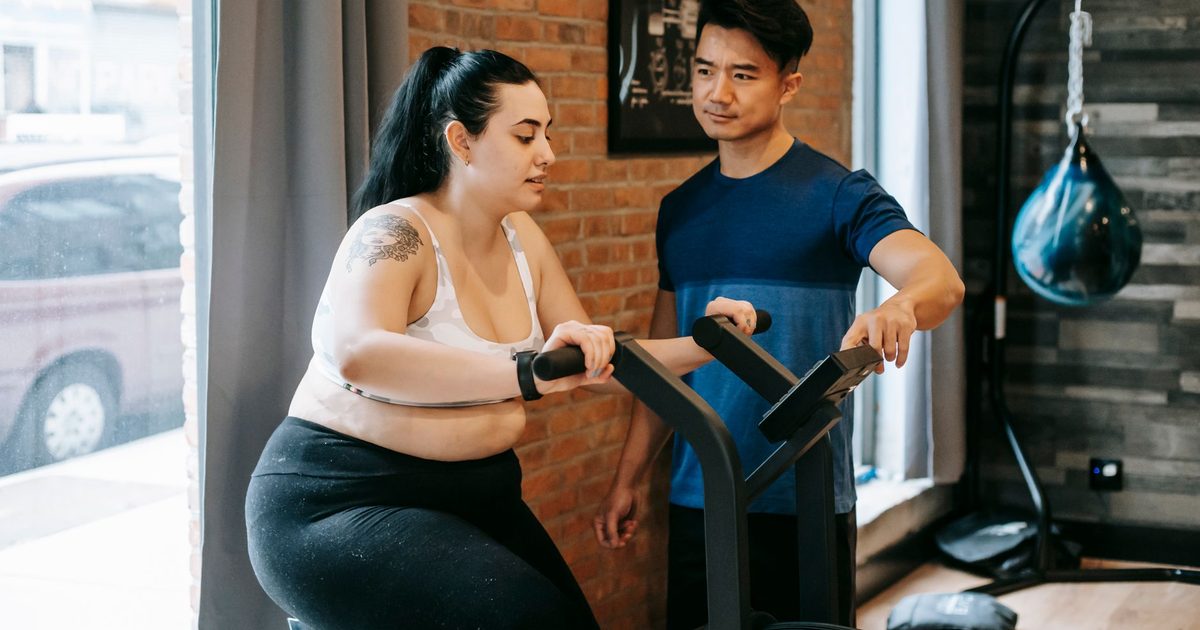
Are you getting better results when you lift with someone else, or are you just wasting time between sets chatting? The truth is that neither path is magic; your choice comes down to how you handle schedule flexibility, progressive overload intensity, and the mental friction of showing up. When we weigh the pros and cons of a gym buddy vs training alone, we have to look past the usual motivational clichés. If you want to find the right gym buddy to train with, it helps to know how partner workouts stack up against solo sessions. Let's break down the cold, hard realities of both setups so you can decide which one will help you build more muscle and strength.
When you train alone, your schedule is entirely your own. You can walk into the gym at 6:15 AM, 2:30 PM, or midnight. If your day explodes and you have to push your session back by two hours, nobody cares. You don't have to coordinate with anyone, send warning texts, or feel guilty because you got stuck in traffic. You walk in, do your warmups, run through your exercises, and walk out. A focused solo workout can easily be finished in 45 minutes because you control the rest periods.
Compare that to working out with a partner. Suddenly, your workout requires a negotiation. If your partner is running fifteen minutes late, you're left standing in the lobby cooling down. If they need to spend ten minutes talking to the front desk staff, your session stretches out. Even when both of you are on time, sharing equipment naturally adds time. You have to swap plates between sets, adjust the machine seat height, and wait for each other to finish. If one of you is benching 225 pounds and the other is benching 135 pounds, you're stripping and reloading four plates every single set. That physical labor adds up, and it turns a crisp 50-minute workout into an eighty-minute marathon.
But there is a flip side. If you're both highly disciplined, a partner can act as a human stopwatch. When you lift alone, it's easy to let a three-minute rest period stretch into five minutes because you're staring at your phone. A good partner keeps you moving. They step up to the bar the moment your rest timer beeps, which forces you to stay focused. For people who struggle with pacing, this structure can turn a messy, dragged-out solo session into a highly efficient team effort.
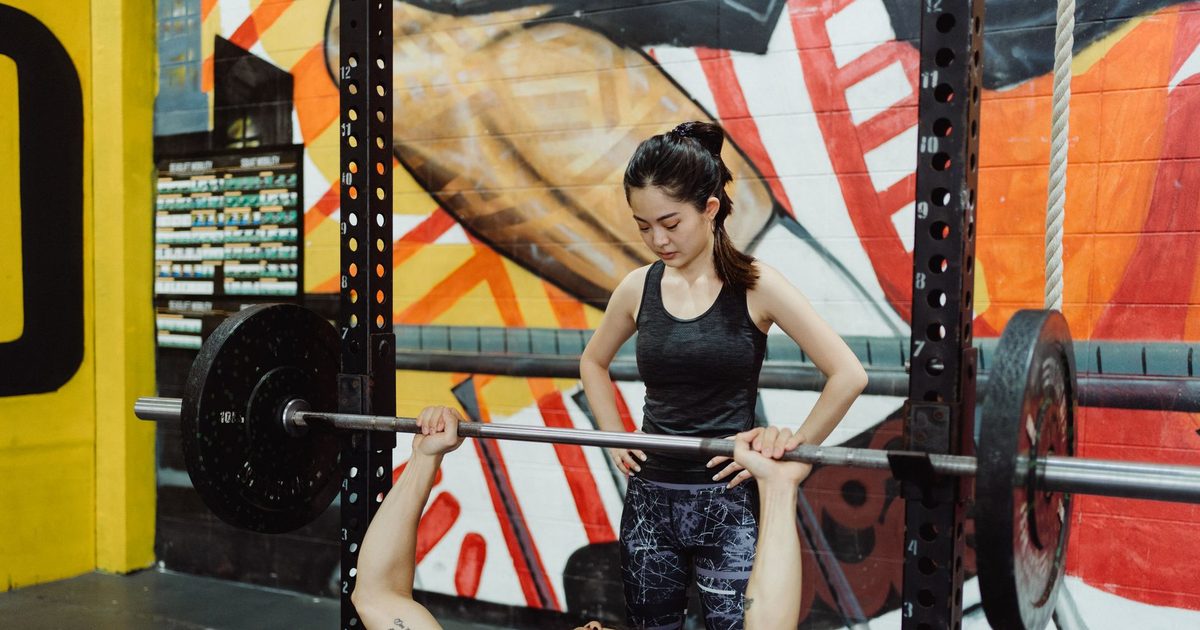
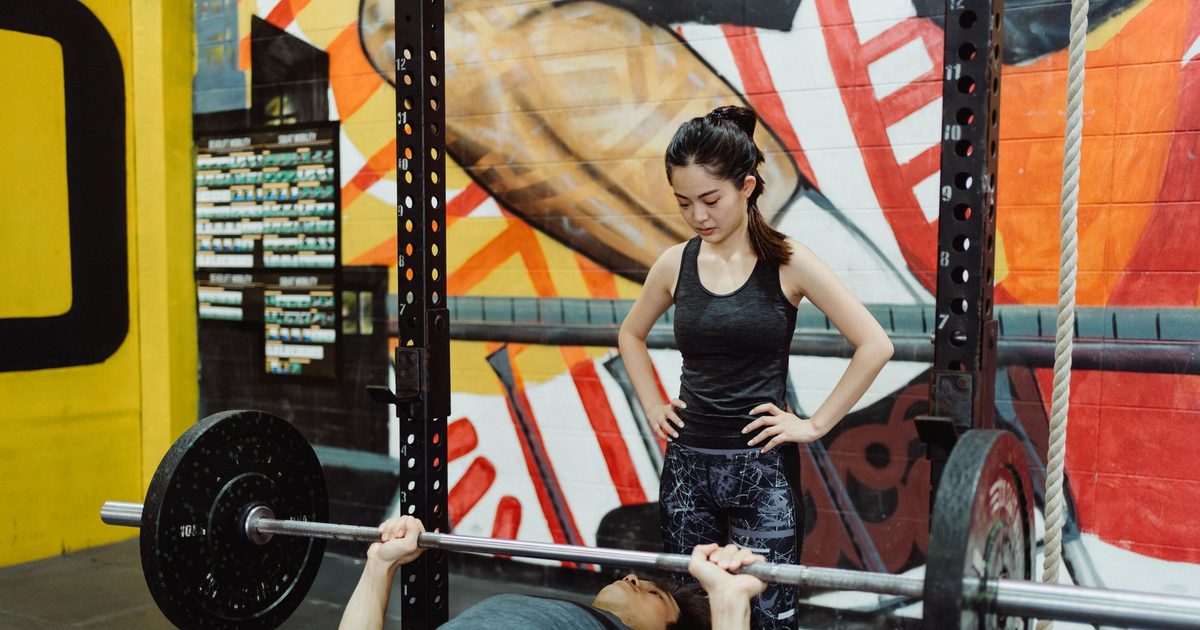
Progressive overload requires you to get uncomfortably close to muscular failure. If you're training alone, reaching true muscular failure on compound lifts is flat-out dangerous. Think about the barbell bench press. If you're on your eighth rep of a heavy set and your chest is screaming, trying for that ninth rep without a spotter is a massive risk. You might end up performing the roll of shame, or worse, trapping yourself under a loaded bar. Because of this fear, solo lifters almost always leave one or two reps in reserve. They play it safe. While that is smart for survival, it can limit your strength gains over time.
With a partner, the safety dynamic changes completely. Having a trusted spotter standing over the bar gives you immense psychological confidence. You know that if your muscles give out on the way up, two hands will instantly appear to help you rack the weight. This safety net allows you to push through the hardest reps of your training cycle. You can safely hit a high RPE on your heavy compound movements. You can try for that extra five pounds because you know you're protected.
However, this only works if your partner truly knows how to spot. A bad spotter is worse than no spotter. If they grab the bar too early, they ruin your set and mess up your tracking. If they're looking at their phone instead of watching your chest rise and fall, they're useless. To make partner training work for progressive overload, you need someone who understands exactly when to help and when to let you grind.
Consistency is the ultimate driver of fitness results. No training plan works if you only show up half the time. This is where the battle of gym buddy vs training alone gets interesting.
When you train alone, your accountability is purely internal. If your alarm goes off at 5:30 AM on a rainy Monday, the only person you have to disappoint is yourself. For many beginners, that internal motivation is not strong enough yet. It's incredibly easy to roll over, hit snooze, and promise yourself you'll go tomorrow. Over time, these skipped sessions add up, and your progress stalls.
A training partner introduces external accountability. You're much less likely to skip a workout when you know another human being is sitting in a cold parking lot waiting for you. The fear of letting someone down is a powerful motivator. I know from my own experience that having a friend expect me at the gym was often the only reason I made it out the door on cold winter nights. It turns a personal choice into a social commitment.
But relying too heavily on a partner creates a major vulnerability. What happens when they get sick, go on vacation, or lose their motivation entirely? If your entire fitness habit is built on the presence of another person, your consistency will collapse the moment they stop showing up. True long-term fitness requires you to build a personal habit that exists independently of anyone else. If you use a partner as a helpful boost rather than a crutch, you get the best of both worlds.
The mental environment of your workout determines how much effort you put into each set. Solo training is the ultimate way to build a deep mind-muscle connection. You put your headphones in, pull your hood up, and block out the entire gym. You can focus entirely on the feel of the muscle contracting, your breathing, and your form. There is no small talk, no gossip, and no outside noise. You're in your own world, and that level of focus is highly rewarding for serious lifters.
When you train with someone else, the social element can easily become a distraction. It's easy to turn a hard training session into a social hour. You finish a hard set of squats, and instead of focusing on your recovery and preparing for the next set, you start talking about your weekend plans, your job, or your relationships. Before you know it, your heart rate has dropped, your body has cooled down, and the intensity of your workout has plummeted.
To prevent this, you have to establish clear boundaries. A great workout partner knows when to talk and when to shut up. They understand that when the hands go on the bar, the conversation stops. (And finding someone who shares that exact training intensity is rare). If you end up working out with someone who does not match your work ethic, you'll find yourself frustrated by their lack of focus.
This is why matching with the right person is so critical. If you're a heavy lifter who trains with high intensity, pairing up with someone who wants to do light cardio and chat will ruin your session. You need to find someone whose strength levels and training style align with yours. When you use tools that help you find compatible lifters, you avoid the frustration of mismatched expectations and keep your training sessions highly productive.
To help you visualize the trade-offs, let's look at how these two approaches compare across the key metrics that dictate your success in the gym.
| Criterion | Gym Buddy | Training Alone |
|---|---|---|
| Schedule Flexibility | Low (requires coordination and fixed times) | High (train whenever you want) |
| Safety at High Intensity | High (reliable spotting on heavy lifts) | Medium to Low (must rely on safety bars or play it safe) |
| Accountability | High (harder to skip when someone is waiting) | Low (purely self-driven) |
| Time Efficiency | Medium to Low (sharing equipment takes longer) | High (minimal rest-time inflation) |
| Mental Focus | Variable (can turn into a social distraction) | High (headphones in, pure concentration) |
So, which option should you choose? The answer depends entirely on your current bottlenecks and your personal psychology.
You should choose to train alone if you have an unpredictable work schedule, value speed and efficiency above all else, and already possess the self-discipline to show up consistently. Solo training allows you to get in, get your work done, and get out without any unnecessary friction. It's the best choice for busy people who view the gym as a task to be executed with maximum focus.
You should choose to train with a gym buddy if you struggle with consistency, find the gym intimidating, or want to push your strength limits safely on heavy compound lifts. A good partner will get you through the door when you want to quit and help you squeeze out those final, muscle-building reps that you would normally skip when training alone.
If you want the benefits of social training without the scheduling headaches, you can use a hybrid approach. You can do your primary, heavy compound workouts with a partner for safety and accountability, and run your accessory or high-volume sessions solo for speed and focus.
Whatever you decide, the key is to make sure your training environment matches your goals. If you want to find people near you who train at your level, Workout With Me can help. It's a social fitness app that connects you with workout partners in real life. You can check out a live map of sessions happening at gyms and parks near you, or host your own. The app even calculates a strength compatibility score to match you with partners who lift similar weights, so you don't have to waste time stripping plates between sets. The social features are free forever, making it easy to build your ideal training circle. Download Workout With Me on iOS or Android today and find your perfect training partner.
August 29, 2026 · 8 phút đọc
Bạn đang phân vân giữa bạn tập gym và PT? Đây là bài viết phân tích thực tế giúp bạn chọn phương án phù hợp với túi tiền và mục tiêu.
August 15, 2026 · 6 phút đọc
Nắm vững những luật bất thành văn của quy tắc ứng xử bạn tập để xây dựng một mối quan hệ tập luyện đáng tin cậy và giữ cho buổi tập của bạn nhất quán, tôn trọng.
August 3, 2026 · 8 phút đọc
Học cách trở thành một bạn tập tốt là chìa khóa cho một mối quan hệ hợp tác lâu dài. Khám phá các mẹo thực tế về sự nhất quán, hỗ trợ, giao tiếp, và khớp cường độ.