September 26, 2026 · 9 min read
Gym Buddy vs Training Alone
We weigh the pros and cons of a gym buddy vs training alone to help you decide which setup builds more strength and consistency.
Are you secretly hoping that spending hundreds of dollars on a professional will finally force you to show up? If you are deciding between a gym buddy vs personal trainer, here is the blunt truth: you should find a training partner first. Unless you are completely new to lifting weights or recovering from an injury, a consistent partner will keep you accountable far longer than a paid coach ever could, and it won't cost you a dime.
Let's look at why.
Consistency in the gym is a game of social friction. It is not a game of financial guilt.
When you hire a personal trainer, you enter a transactional relationship. You pay them for their time. If you need to cancel at the last minute, you might lose your session fee, but your trainer still gets paid or gets a free hour in their schedule. There is very little social cost to skipping. They are a professional, and they will see you next Tuesday regardless.
A gym partner is different. When you agree to meet a friend at 6:00 AM, skipping means leaving them standing alone in the cold parking lot. It means they have to find a stranger to spot them on a heavy bench press. That social pressure is incredibly powerful. Your desire to avoid letting down a friend is a much stronger motivator than the abstract loss of fifty dollars.
Over time, this dynamic builds a shared habit. You celebrate the wins together and commiserate on the days the weights feel heavy. This is why finding a reliable gym buddy is the single best thing you can do for your training longevity. You are building a lifestyle together, not just consuming a service.
When you have someone in your corner who shares your goals, the gym stops being a chore. It becomes a social highlight of your day.
Let's look at the numbers. Personal training is a premium service. In most cities, a decent trainer costs anywhere from $60 to $150 per hour. If you train three times a week, you are looking at a monthly bill of at least $720. Over a year, that is nearly $9,000.
For most people, that is simply not sustainable.
What happens when your budget tightens? The trainer is the first thing to go. And if your entire habit was built on their presence, your gym routine often goes with them. You are left without a plan and without support.
A training partner costs nothing. You both pay your standard gym memberships, and that is it. The financial barrier to entry is zero, which means your partnership can last for years without putting a dent in your bank account.
Paying someone to watch you rest between sets is an expensive way to stay focused.
If you use that same money to buy high-quality food, a solid gym membership, and maybe a few pieces of home equipment, you will get a far better return on your investment over a five-year period.
There is a concept I call the Accountability Decay Curve.
When you first hire a trainer, your motivation is incredibly high. You just spent a chunk of money, and you want to get your money's worth. This financial accountability works wonders for the first four weeks. But by week eight, the initial novelty wears off. The physical discomfort of training starts to weigh on you. Suddenly, losing the cost of a session feels like a reasonable price to pay for an extra hour of sleep.
Social accountability behaves in the opposite way. It starts slightly weaker because you are still learning how to lift together. But as the weeks pass, your relationship deepens. You learn each other's strengths, weaknesses, and goals. The accountability increases over time.
You stop showing up just for yourself. You start showing up for them.
This social bond is what keeps you going during dark winter mornings when your bed is warm and the gym is freezing. A trainer can text you to ask where you are, but it feels like a business follow up. A text from a friend feels like a call to action.
Imagine it is a rainy Monday evening. You had a brutal day at work. If you have a trainer, you might text them an excuse, pay the late fee, and crawl onto the couch. If you have a training partner, you know they had a brutal day too. You go because you know they need you to be there to push them through their session.
We need to look at the actual workout itself. How does your training change when you have a partner versus a professional standing over you?
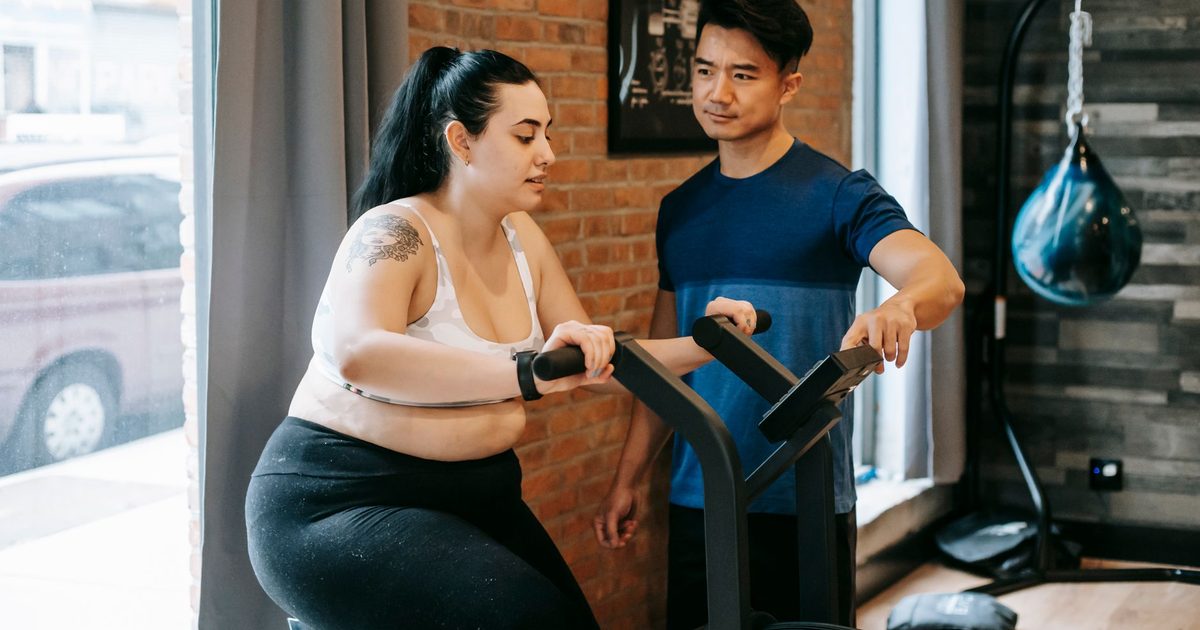
A personal trainer is excellent for managing your overall fatigue and keeping you safe. They will watch your form and tell you when to stop a set. But sometimes, they can be a bit too conservative. They have a business to run, and the last thing they want is for a client to get hurt under their watch. They might cut your sets short or keep you far away from true muscular failure.
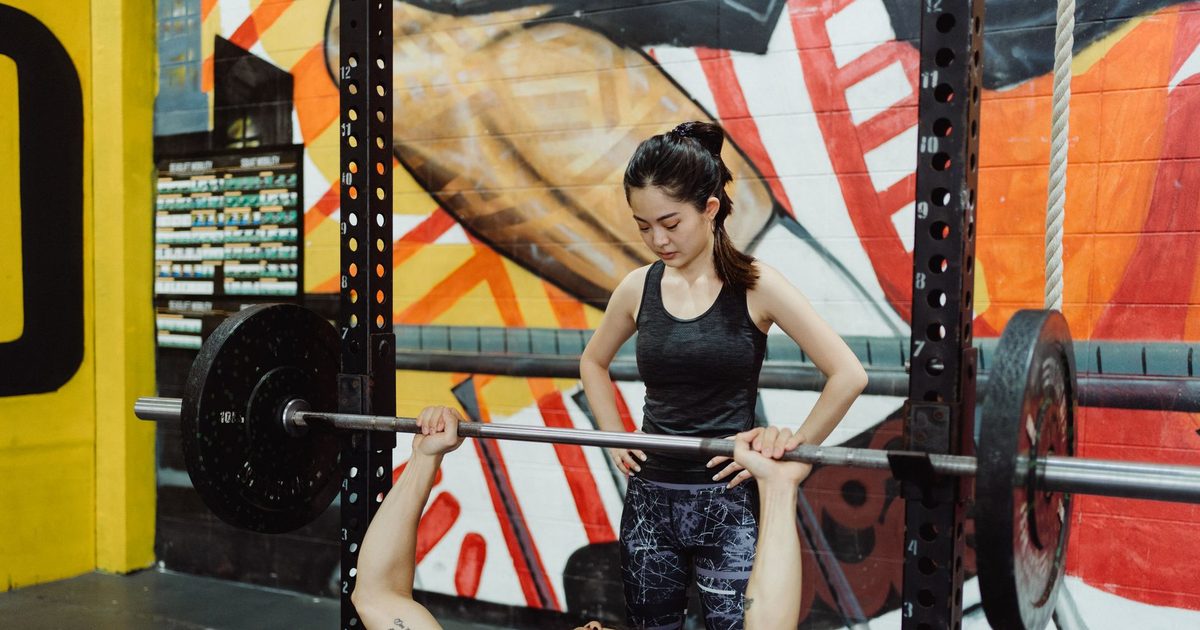
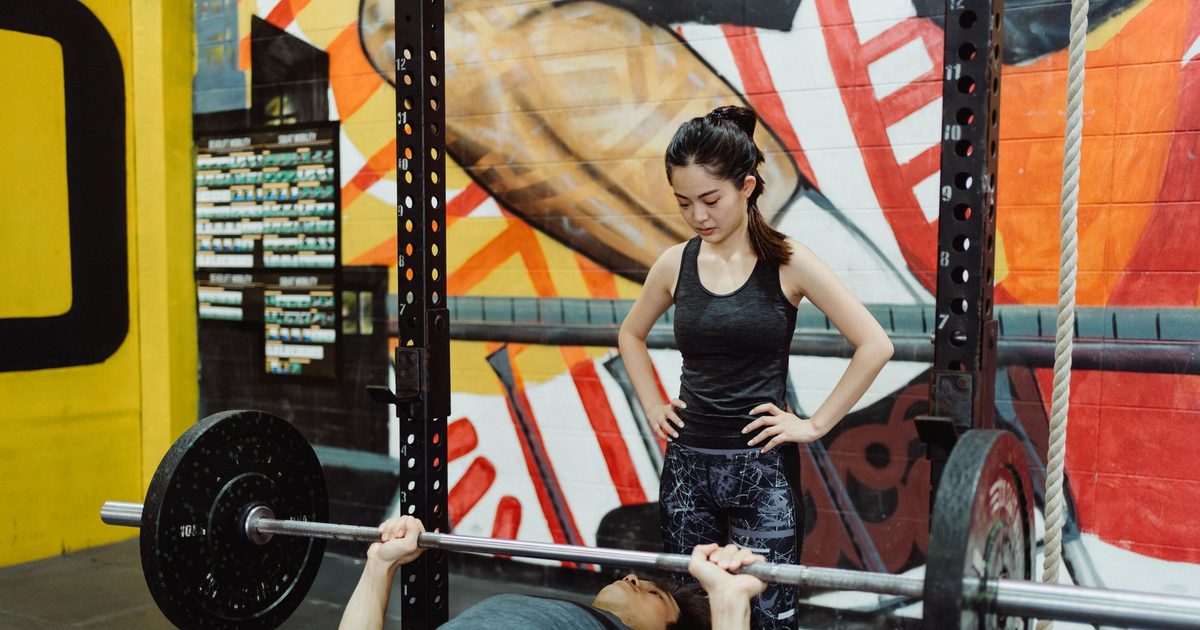
A gym partner knows you. They know when you are truly struggling and when you are just being lazy. When you are under a heavy barbell, a good partner provides the exact amount of help needed to keep the weight moving without taking the load off your muscles.
They give you the confidence to try that extra rep.
That confidence is where real muscle growth and strength gains happen. Knowing someone is hovering over the bar, ready to catch it if your muscles give out, lets you train with 100% effort. Without a partner, you will always leave a few reps in the tank out of fear of getting pinned. A trainer can spot you, yes, but a partner spots you with shared skin in the game. You spot them, they spot you. It is a mutual exchange of trust.
Gym buddies are not perfect. They do not have degrees in sports science. They usually cannot spot a subtle hip shift during your squat that might cause lower back pain in six months.
If you are completely new to the gym, a trainer is incredibly valuable. You need someone to teach you the basic mechanics of movement. You need to learn how to hinge your hips, how to brace your core, and how to set up a barbell safely. Trying to learn these things from a friend who also does not know what they are doing is a recipe for injury.
Think of a trainer as an educational investment. You pay them for a short block of time, say twelve weeks, to learn the ropes. They build your foundation. Once you know how to perform the exercises safely, you can transition to training with a partner.
A partner is there to help you execute the plan, not to write it.
If you need help with the programming side but want to keep the social aspect, you can use modern tools to bridge the gap. For instance, Workout With Me is a social fitness app that helps you find people to work out with in real life. It has a live map where you can find nearby gym-goers and join their sessions. But it also has a training engine that tracks your recovery and suggests workouts. You get the structure of a professional program without the massive hourly fee. You can use the free social features to find a partner, and if you want the advanced S.H.A.R.P. training plans, you can upgrade to WWM Pro from $7.99 a month.
To help you decide which path makes the most sense for your current situation, I have broken down the key differences between these two approaches.
| Criterion | Gym Buddy | Personal Trainer |
|---|---|---|
| Hourly Cost | $0 | $60 to $150 |
| Primary Focus | Consistency and motivation | Technical form and programming |
| Skill Requirement | Best if you know basic movements | Perfect for absolute beginners |
| Accountability | Mutual social obligation | Financial transaction |
| Longevity | Highly sustainable for years | Usually limited to short-term blocks |
| Safety Feedback | Basic spotting and encouragement | Professional movement analysis |
| Scheduling | Highly flexible, agreed between friends | Strict, booked time slots |
This comparison shows that they serve completely different purposes. One is a teacher; the other is a teammate.
Certain lifters should ignore my advice and hire a professional in their corner.
First, if you are recovering from a major injury, do not rely on a friend. You need a qualified trainer who understands rehabilitation. A well-meaning friend might push you too hard or suggest exercises that aggravate your condition.
Second, if you have severe gym anxiety and cannot bring yourself to walk through the door alone, a trainer acts as a physical shield. They meet you at the entrance, guide you through the crowded floor, and handle all the equipment setups. That peace of mind can be worth every penny.
Finally, if you have a highly specific athletic goal, like preparing for a powerlifting meet or a bodybuilding show, you need professional programming. A general training partner cannot provide the precise volume calculations required for peak performance.
But for the rest of us who just want to get stronger, build some muscle, and stay consistent, a partner is the way to go.
If you are ready to build that consistency but do not have a partner yet, download Workout With Me on iOS or Android. It is free to download and makes finding local lifting partners incredibly simple.
September 26, 2026 · 9 min read
We weigh the pros and cons of a gym buddy vs training alone to help you decide which setup builds more strength and consistency.
August 15, 2026 · 6 min read
Master the unwritten rules of gym buddy etiquette to build a reliable training partnership and keep your workouts consistent and respectful.
August 3, 2026 · 8 min read
Learning how to be a good gym buddy is key to a lasting partnership. Discover practical tips on consistency, spotting, communication, and matching intensity to boost.