September 26, 2026 · 9 min read
Gym Buddy vs Training Alone
We weigh the pros and cons of a gym buddy vs training alone to help you decide which setup builds more strength and consistency.
You know, we spend a lot of time thinking about finding the perfect gym buddy, someone who's always there, always motivated, always pushing us. But honestly, have you ever stopped to consider what it takes to be that person? Because figuring out how to be a good gym buddy isn't just about showing up, it's about making your partnership stronger, more consistent, and way more effective for both of you. It's a two-way street, and when both partners invest in being good, that's when the magic happens. I've seen it firsthand, both in my own training and with countless people I've helped connect through Workout With Me. Let's dig into what really makes a difference.
This might sound obvious, but it's probably the most crucial part of being a good gym buddy. Consistency is everything in fitness, and it's doubly important when you've committed to someone else. Think about it: if you're constantly flaking, or even just showing up late, you're not just messing up your own workout. You're disrespecting your partner's time and their commitment. You're breaking that unspoken trust that makes a gym partnership work.
I can't tell you how many times I've heard stories, or even experienced it myself, where a partnership fizzled out because one person just couldn't commit. It's a momentum killer. When you know someone is relying on you, it provides a huge accountability boost. But if that reliance is constantly let down, that boost turns into frustration. Your partner starts thinking, "Why bother planning my day around them if they're just going to cancel?" And that's fair, isn't it?
So, what's the practical takeaway here? Prioritize those scheduled sessions. Treat them like a doctor's appointment you can't miss. If you've committed to a 6 AM session, set two alarms, lay out your clothes the night before, and be there. If you say you'll meet at 5 PM, aim to be walking through the gym doors at 4:55 PM, ready to go. Showing up consistently and punctually builds trust. It shows you value your partner and the shared goal. It makes them want to show up for you, too. It builds a positive feedback loop that strengthens both your routines.
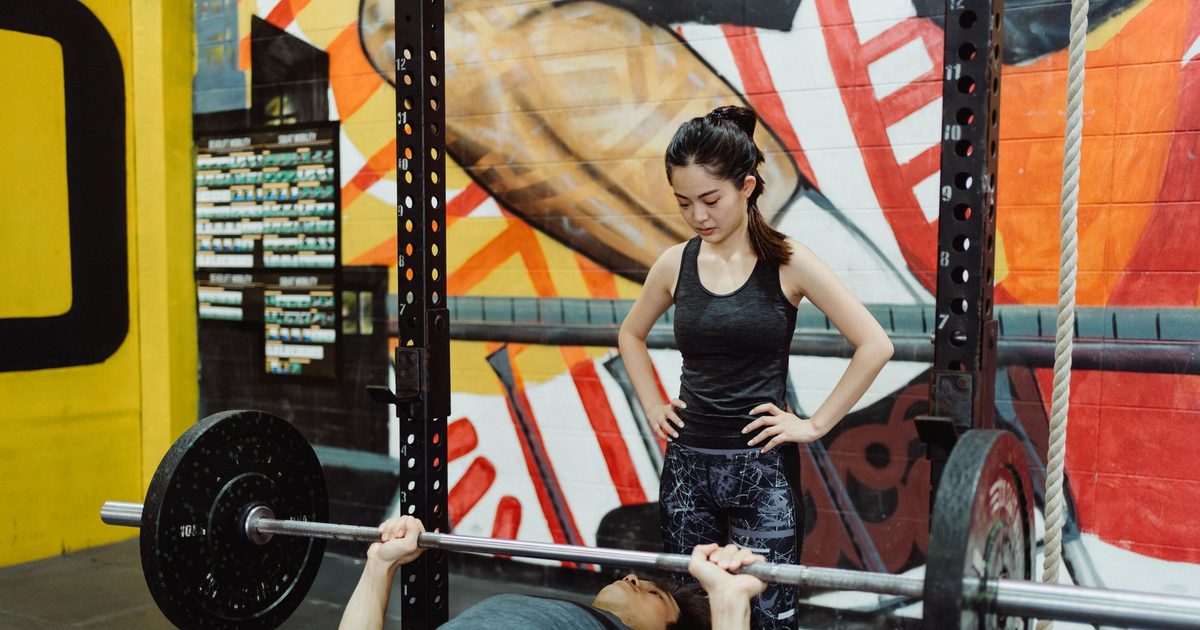
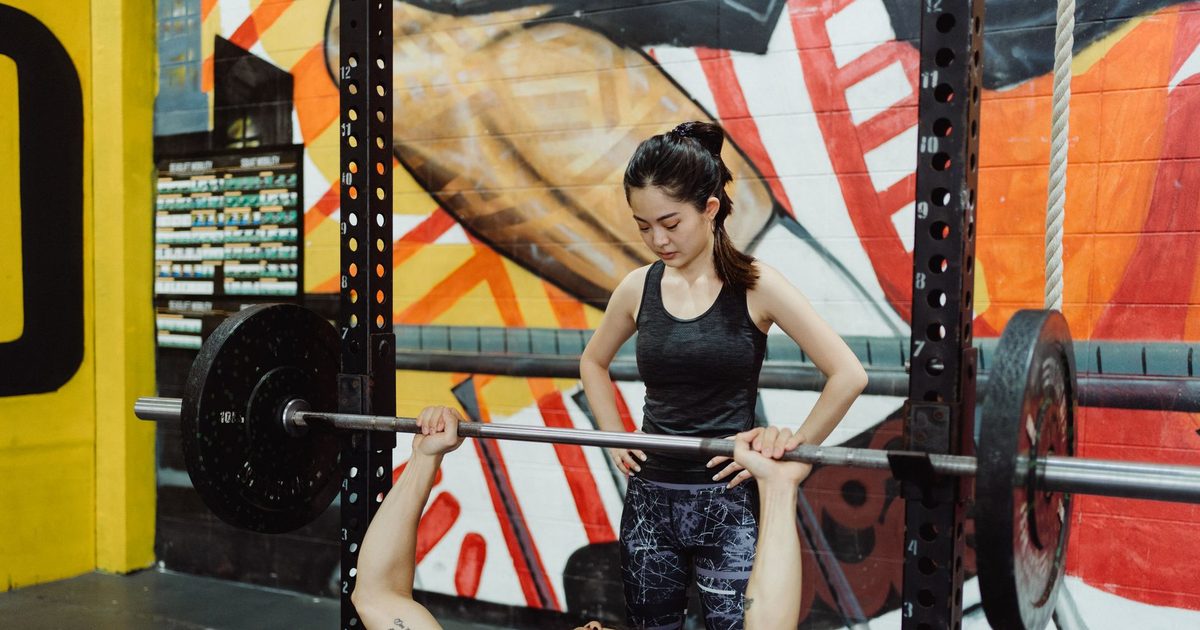
Beyond just being there, how you're there makes a huge impact. Being a good spotter is a skill, and it's one that can literally prevent injury while also pushing your partner to new PRs. It's not just about standing there while they bench press, ready to yank the bar off them at the first sign of struggle. A good spotter knows when to intervene, how much help to give, and how to communicate during a set.
For example, on a bench press, you're not supposed to touch the bar unless they absolutely cannot get it up. Your job is to be ready, but to let them do the work. Offer verbal cues: "You got it!" or "One more!" Only when they truly fail do you step in, helping just enough to get the weight back up safely. You're a safety net, not a second lifter. And don't forget to ask beforehand how they want to be spotted. Some people want a lift-off, some don't. Some want help on the last rep, others want you to take it completely if they fail. Communication here is key.
But spotting isn't just for heavy lifts. It's about overall support. Maybe your partner is trying a new exercise, or they're just feeling a bit down. Your job as a good gym buddy is to be their cheerleader, their sounding board, and sometimes, their gentle nudge. I've found that just having someone there who believes you can hit that extra rep, even when you doubt yourself, can make all the difference. It's about reading the room, understanding their body language, and knowing when to push and when to just offer quiet encouragement. Don't be a distraction, be a facilitator of their best workout.
This is where the "buddy" part really comes into play. You're not just two individuals working out next to each other; you're a team. And like any good team, you need to be somewhat in sync. This doesn't mean you have to have identical strength levels or always do the exact same exercises. In fact, Workout With Me helps here by showing you a strength compatibility match percentage with potential partners, which is super useful for finding someone whose strength aligns with yours across different muscle groups. But it does mean you should understand each other's training goals and energy levels for that particular session.
If your partner is on a deload week, don't show up ready to hit a new one-rep max and expect them to match your intensity. If they're pushing for hypertrophy, maybe don't suggest a session entirely focused on endurance. Have a conversation about what each of you wants to achieve in a given training block, or even just for that day. This allows you to tailor your shared workouts, or at least your approach to them, so everyone feels supported and challenged appropriately.
It's also about respecting different training styles. Maybe one of you likes to take longer rest periods, while the other prefers to keep things moving quickly. Find a middle ground. Maybe you alternate whose pace you follow each week. The goal isn't to force someone into your way of training, but to find a rhythm that works for both of you. This mutual understanding and adaptation builds a much stronger, more sustainable partnership. It prevents resentment and ensures both of you are getting what you need from the shared time.
We talked about showing up on time, but what happens when life inevitably gets in the way? Because it will. You'll get sick, work will run late, something unexpected will pop up. This is where transparent, proactive communication becomes your superpower as a good gym buddy. Don't just ghost. Don't send a text five minutes before the session starts saying you can't make it. Give as much notice as humanly possible.
I've seen so many partnerships crumble not because of the occasional missed session, but because of poor communication around it. If you know on Monday that your Wednesday session is looking iffy, say something on Monday. It gives your partner time to adjust their plans, maybe find an alternative workout, or even just mentally prepare. It shows respect. And when you do have to cancel, offer an alternative if you can. "Hey, I can't make it Wednesday, but how about Thursday morning instead?" That keeps the momentum going and shows you're still committed.
Here are a few quick tips for smooth communication:
Remember, your gym buddy isn't a mind reader (though sometimes it feels like they are, doesn't it?). Be clear, be honest, and be proactive. This applies not just to schedule changes, but also to workout preferences, new goals, or even if you're just not feeling it one day. A quick "Hey, I'm feeling a bit low energy today, let's keep it lighter" can save a lot of frustration.
Being a good gym buddy goes beyond just the mechanics of the workout itself. It's about being a positive, respectful presence in the gym. This means being mindful of gym etiquette: re-racking your weights, wiping down equipment, not hogging machines. It reflects on both of you. You're a unit, and your behavior impacts how others perceive your partnership.
It also means bringing a good attitude. We all have off days, of course, and a good buddy understands that. But generally, try to bring enthusiasm. Share your wins, celebrate theirs. If they hit a new personal record, be genuinely excited for them. That kind of shared joy makes the gym a much more enjoyable place to be. It fosters a sense of camaraderie that makes the hard work feel a little lighter.
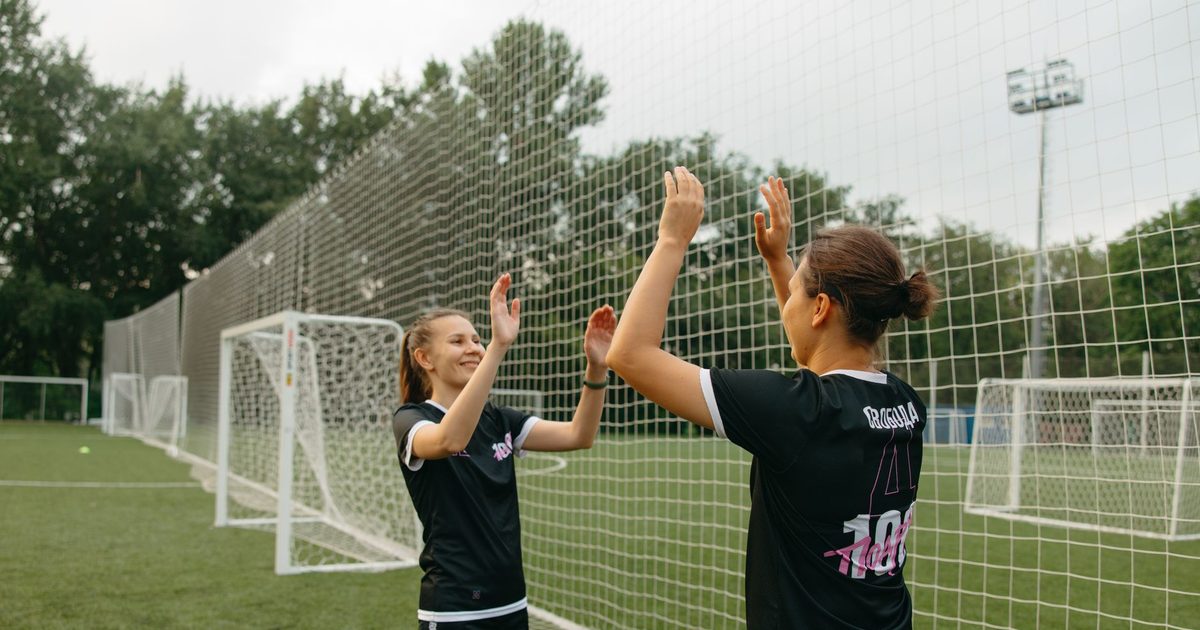
I always tell people that the best gym buddies aren't just people you train with; they're people you genuinely enjoy spending time with. The conversations between sets, the shared struggles, the high-fives after a tough lift, these are all part of the experience. It's building a mini-community, right there in the gym. And when you're both focused on being supportive, communicative, and reliable, you're not just getting fitter; you're building a stronger bond. You're creating an environment where both of you can thrive, both physically and, frankly, mentally.
It makes a huge difference to your consistency and enjoyment. If you're looking for everything you need to know about gym buddies and how to make those connections, you'll find a ton of helpful resources. And remember, Workout With Me is designed to make finding and coordinating with compatible partners much, much easier, so you can focus on being the best gym buddy you can be.
September 26, 2026 · 9 min read
We weigh the pros and cons of a gym buddy vs training alone to help you decide which setup builds more strength and consistency.
August 29, 2026 · 8 min read
Struggling to choose between a gym buddy vs personal trainer? Here is my honest, verdict-first guide to which option fits your budget and goals.
August 15, 2026 · 6 min read
Master the unwritten rules of gym buddy etiquette to build a reliable training partnership and keep your workouts consistent and respectful.