September 2, 2026 · 6 мин чтения
Тренировка в обеденный перерыв
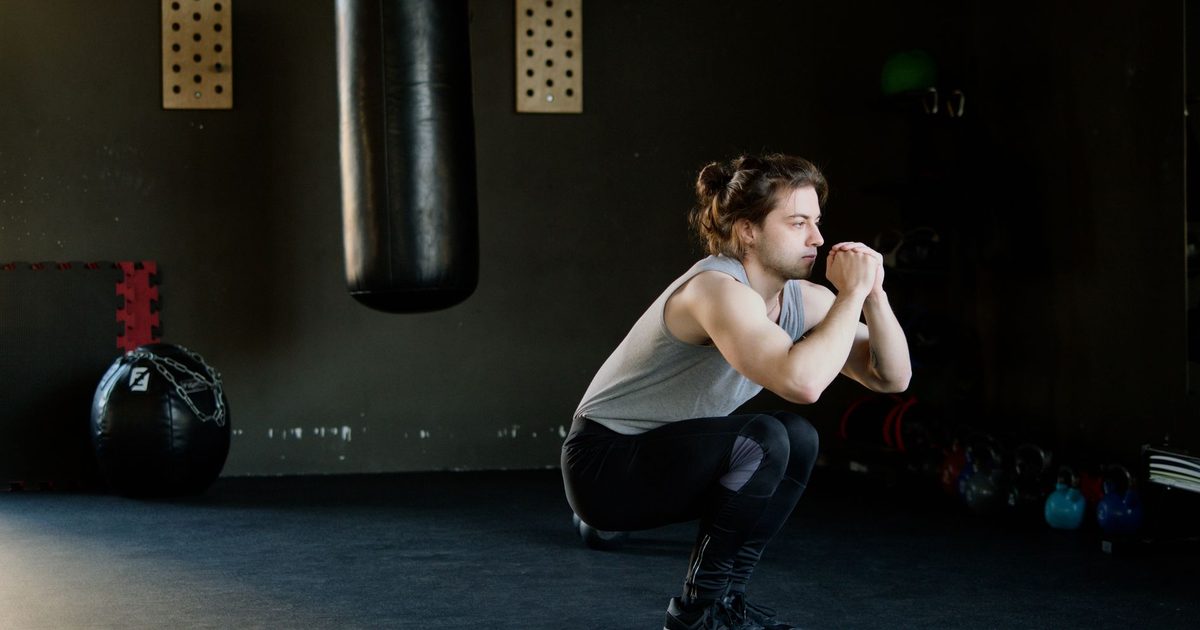
Нужна быстрая и эффективная программа? Эта 30-минутная тренировка в зале отлично впишется в ваш обеденный перерыв благодаря умным суперсетам без пауз.
September 28, 2026 · 6 мин чтения
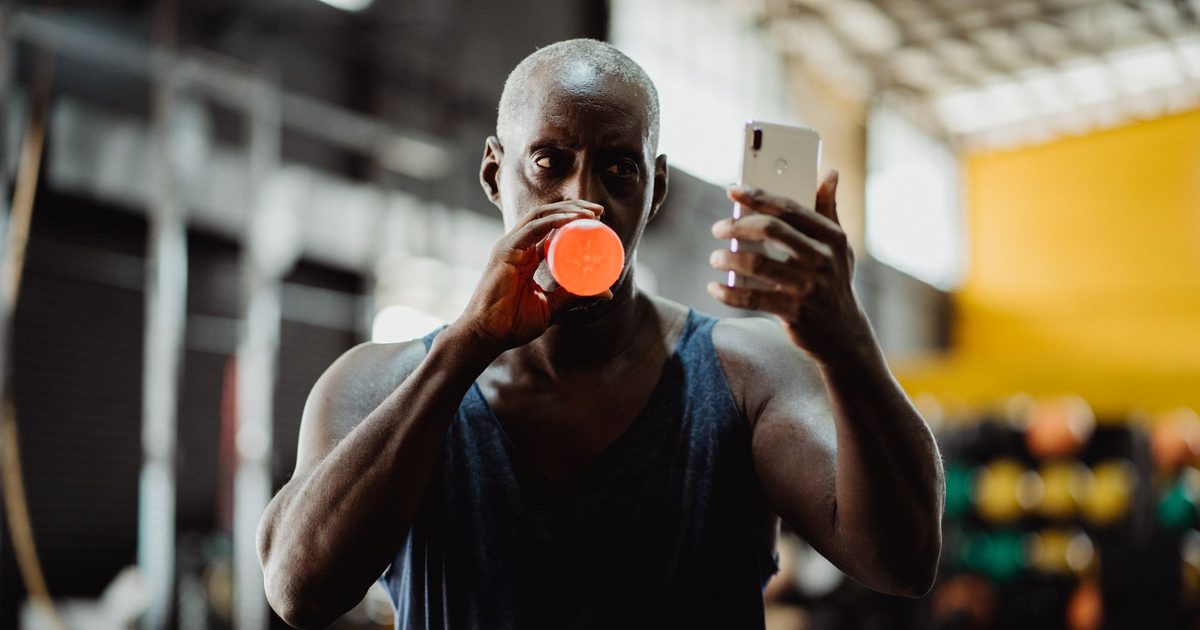
Every list of the best AI workout apps you'll find is written by an affiliate site that's never lifted with any of them, or by an app company that mysteriously ranks itself first. I can't fix the second problem, I built one of these apps, but I can do something most of these lists won't: tell you honestly where each competitor wins, and let you judge whether my bias survived contact with the facts.
So here's the 2026 field, what each app is actually good at, and the one question I think should decide your pick.
JuggernautAI is the powerlifting coach. Chad Wesley Smith's methodology encoded as an expert system, adjusting your squat, bench, and deadlift training from your effort ratings, with real meet-peaking ability. If you compete in powerlifting, it's arguably the best tool on this list for you. If you don't, you're paying $34.99 a month for a specialist you don't need, with no health data sync and volume that reviewers say can outrun your actual recovery.
RP Hypertrophy is the volume scientist. Built on Renaissance Periodization's methodology, it collects structured feedback about soreness, pump, and fatigue, and genuinely adjusts your training volume from it. Among the big names, it takes fatigue most seriously, and I respect it for that. The trade-offs are a famously steep price, jargon-heavy onboarding, and an experience reviewers describe as built for people who already love spreadsheets.
Freeletics owns the bodyweight niche. Its AI coach adapts sessions from your self-reported ratings, and for equipment-free training it's polished. It states plainly that wearable and recovery data aren't inputs, so know what you're getting: adaptive variety, not recovery intelligence.
Fitbod is the household name, and deservedly so for its logging experience and unmatched equipment filtering: tell it you have two dumbbells and a bench, get a competent workout. Its weaknesses are documented in its own materials and years of reviews: the recovery percentages are computed from logged sets alone, the reasoning is a black box, and the constant exercise rotation frustrates people trying to progress specific lifts, enough that Fitbod's own blog published a defense of it. $15.99 a month as of mid 2026.
Dr. Muscle is the research-heavy veteran, auto-progressing your lifts with daily undulating periodization. The engine is credible, but at around $49 a month it's the most expensive app here, its adjustments are reactive, arriving after your performance already dropped, and its Trustpilot page carries a pattern of cancellation complaints worth reading first.
Alpha Progression is the progression purist: exact per-set prescriptions, reps-in-reserve targets, stable lifts that actually climb. It's well priced and disciplined. It also has no recovery model at all, and a learning curve reviewers keep mentioning.
Boostcamp is the honest budget pick. It's not really an AI at all, it's a library of proven programs with excellent logging, and its free tier is the best value in fitness apps. What it will never do is adapt to you.
Caliber sits at the other extreme: real human coaches writing your program, with pricing to match, roughly $50 to $300 a month. Great if you want a person. Out of scope if you wanted software.
Beyond the apps above sits a fast-growing tier I deliberately left off this list: the AI workout generators that are, under the hood, a general purpose chatbot with a fitness skin. One-shot web generators, prompt packs sold as coaching, chat-first apps wrapping the same model you could use free. Journalists at TIME and Tom's Guide both tested chatbot-written training plans and came away warning readers off them, and a peer-reviewed study had experienced coaches grade such plans well below proper programming.
The tell is memory. A real training app, every app in this roundup included, tracks what you lifted and builds on it. A wrapper meets you as a stranger each session and generates something plausible from scratch. Plausible is not programming. If an app can't show you your own progression history, it doesn't belong in a best-of list, and it didn't make mine.
Workout With Me is my app, so here's the pitch at its most factual. The S.H.A.R.P engine builds progressive overload plans around one non-negotiable rule: recovery decides. Every logged workout feeds a colour-coded body map tracking 6 muscle categories across 19 subcategories, each labeled CRUSHED, IN RECOVERY, or RECOVERED with a percentage and time remaining, and no muscle gets scheduled below 80 percent recovered. When life happens off the app, a match, a class, an untracked session, you mark those muscles crushed and the engine plans around them. The reasoning isn't hidden, it's the map.
Two things nobody else on this list offers: the entire social layer, finding workout partners matched to your strength level, hosting and joining sessions, is free forever. And the engine is free to try, with WWM Pro from $7.99 a month after, the lowest paid tier in this comparison.
What we don't do: meet peaking for powerlifters, human coaching, or pretending to read your sleep data. Nobody here reads your recovery perfectly, the difference is whether you can see and correct what the app believes.
| App | Best for | Recovery handling | Price (mid 2026) |
|---|---|---|---|
| Workout With Me | Recovery-first training, training with people | Per-muscle map, 80 percent gate, manual corrections | Free social, Pro from $7.99/mo |
| Fitbod | Variety and odd equipment situations | Hidden score from logged sets only | $15.99/mo |
| JuggernautAI | Powerlifting meet prep | Self-reported RPE only | $34.99/mo |
| RP Hypertrophy | Volume-focused hypertrophy nerds | Structured fatigue feedback, adjusts weekly | Premium priced |
| Dr. Muscle | Hands-off auto progression | Reactive, adjusts after performance drops | ~$49/mo |
| Alpha Progression | Disciplined progression tracking | None | Budget |
| Boostcamp | Free proven programs | None, fixed templates | Free / ~$60 a year |
| Freeletics | Bodyweight training | Self-reported ratings only | Mid-range |
| Caliber | Human coaching | Coach's judgment | ~$50 to $300+/mo |
First, ignore star ratings, they mostly measure billing experiences and honeymoon periods. Then ask yourself one question: when this app is wrong about what my body can do today, how do I find out, and what can I do about it?
For a fixed template, the answer is you don't and nothing. For most of the algorithms above, it's a hidden score or a survey you can't argue with. I built Workout With Me so the answer would be: open the body map, see exactly what the engine believes, and correct it in two taps. If you're putting together your training week from scratch, our free workout planner resources are a good place to start, and the app itself is free to download on iOS and Android. Pick whichever app fits your answer, but ask the question. It filters this market better than any feature list.
September 2, 2026 · 6 мин чтения
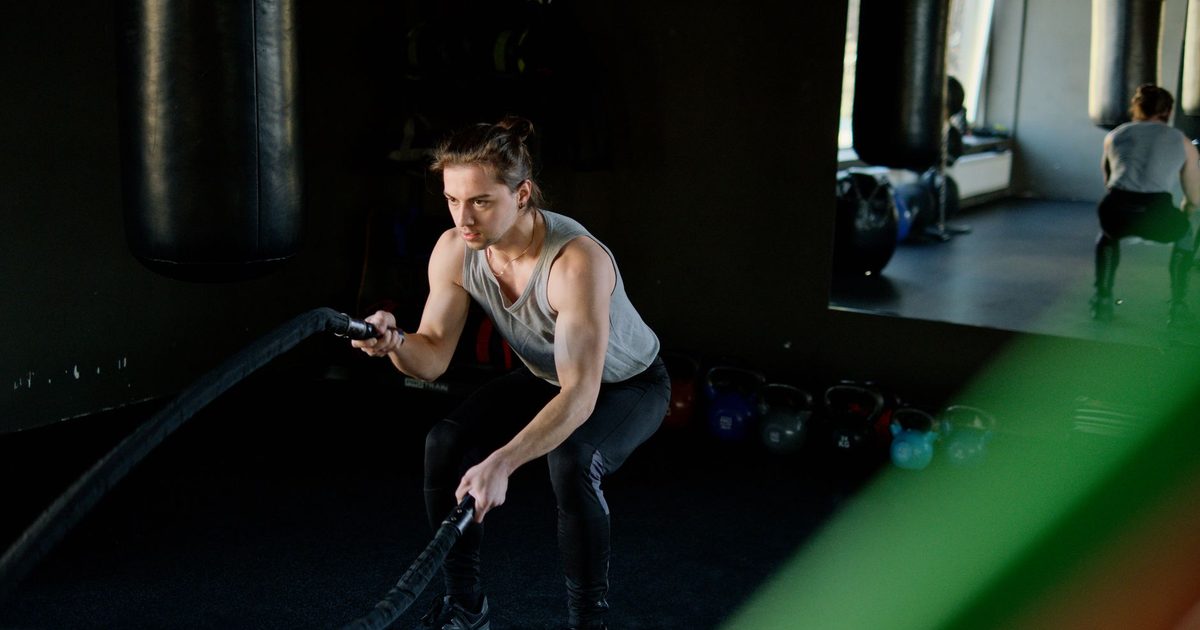
Нужна быстрая и эффективная программа? Эта 30-минутная тренировка в зале отлично впишется в ваш обеденный перерыв благодаря умным суперсетам без пауз.
August 17, 2026 · 8 мин чтения
Узнайте, как построить реальную силу и мышцы с этой полной, пошаговой тренировкой на всё тело только с гантелями, созданной для переполненных залов или дома.
August 5, 2026 · 8 мин чтения
Готовы к первой тренировке ног для новичков, но переживаете о последствиях? Проведу вас через простую, эффективную сессию, сосредоточенную на технике, а не боли.