October 2, 2026 · 8 min read
First Park Calisthenics Workout
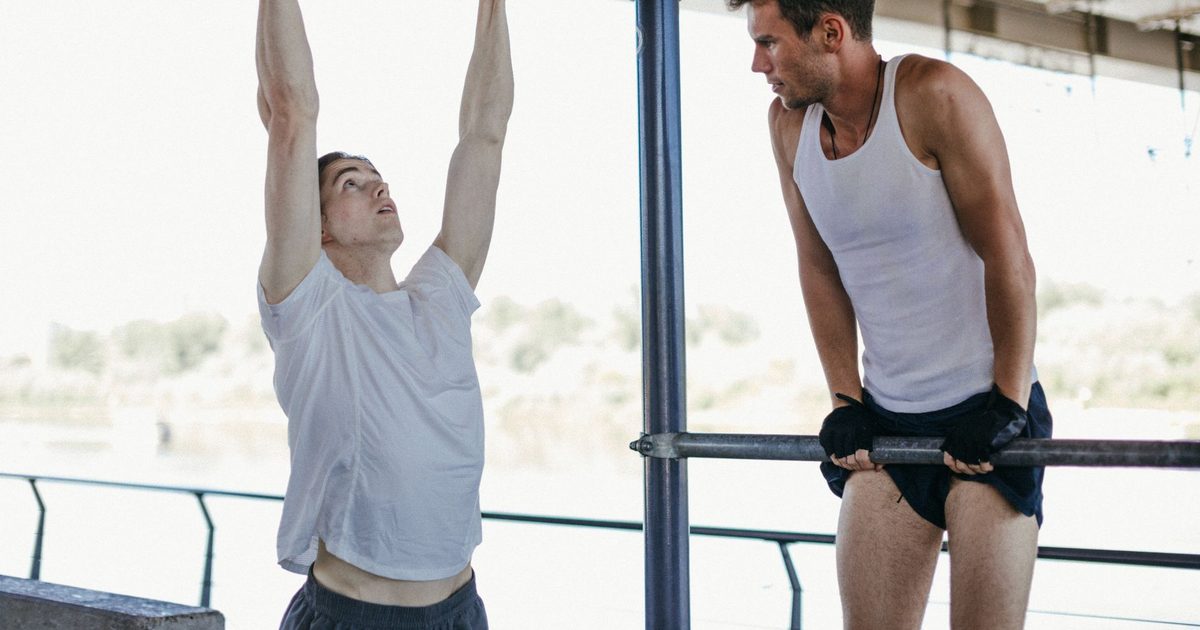
Ready for your first beginner calisthenics workout? Here is a practical, step by step guide to mastering the park bars with honest progressions.
August 5, 2026 · 8 min read
Ever wondered if you can actually do a beginner leg day workout without instantly regretting every life choice the next morning? You totally can. It's all about picking the right exercises, focusing on good form, and knowing what to expect, not just pushing until you can't walk. I'm here to show you how.
Alright, before we jump into the actual lifts, let's set ourselves up for success. This session is designed to take about 45 to 60 minutes, including your warm-up and a quick cool-down. You won't need anything crazy, just a few dumbbells and maybe a sturdy bench or chair. If you're new to this, don't worry about heavy weights. We're chasing good movement patterns here, not PRs on day one.
Your warm-up is super important. Don't skip it. I'm talking about 5-10 minutes of light cardio like walking or cycling to get your blood flowing. Then, do some dynamic stretches: arm circles, leg swings, torso twists. Finish up with some bodyweight squats and lunges to wake up those leg muscles. You want to feel loose and ready, not stiff. It's like getting your car ready for a drive; you wouldn't just floor it cold, right? Your body deserves the same respect.
I know, I know, warming up isn't the most exciting part of a workout. But trust me, your future self will thank you. For leg day, it's crucial to get your hips, knees, and ankles ready for action. You're going to be moving a lot of joints, and you want them to be well-lubricated and prepared.
Start with some light cardio, like five minutes on a stationary bike or a brisk walk. Just enough to get a little sweat going. After that, I like to do some bodyweight movements. Think about what you're going to be doing in the main workout and do lighter versions of it. A few sets of 10-15 bodyweight squats, focusing on getting good depth and keeping your chest up. Maybe some leg swings, forward and side-to-side, to open up the hips. You could also do a few gentle cat-cow stretches for your spine. The goal here isn't to fatigue yourself; it's to prepare your body for what's coming. You should feel more mobile and ready to move, not tired. You're building a foundation for good movement, and that starts before you even touch a weight.
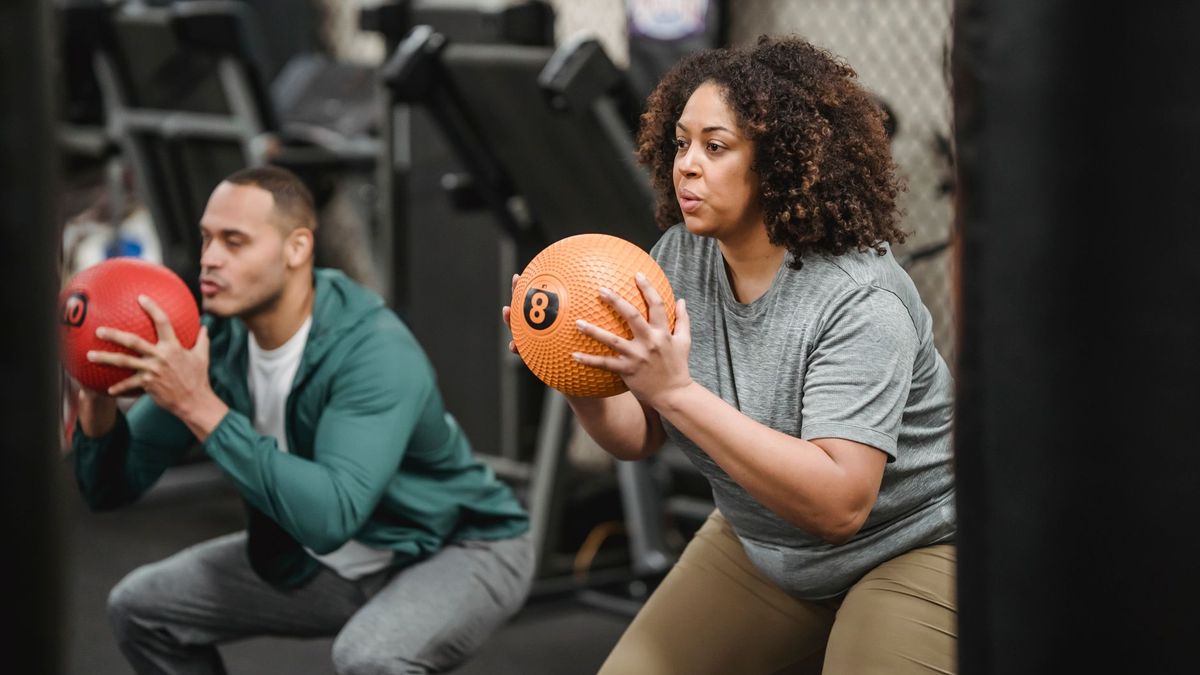
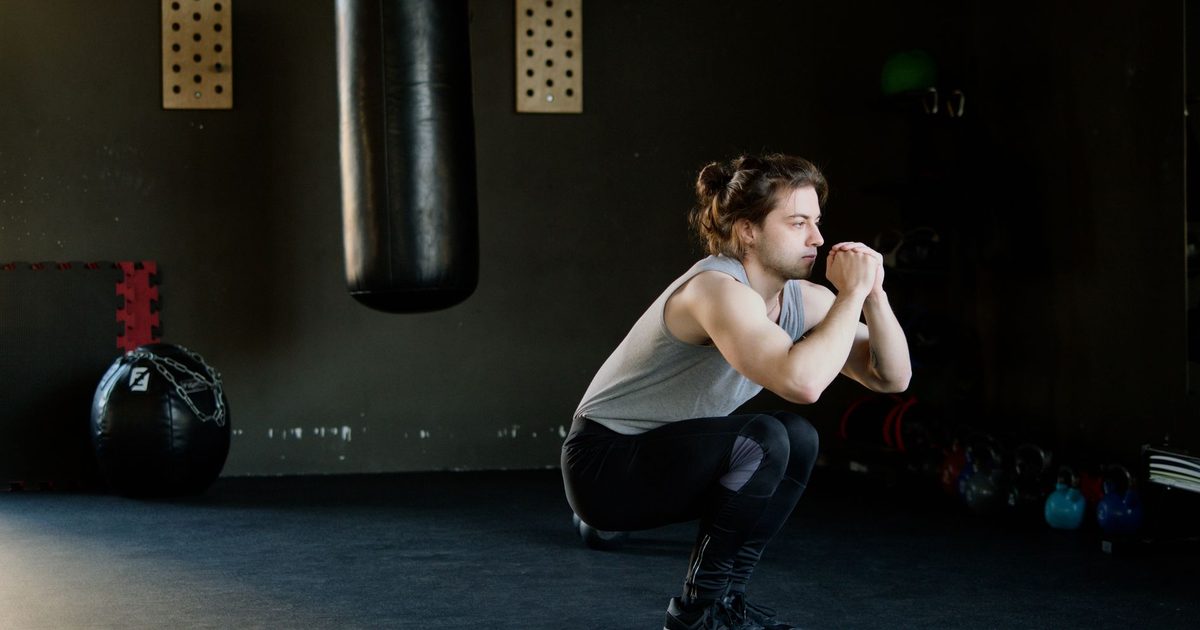
This is where we really start. The goblet squat is an incredible exercise for beginners because it naturally encourages good form and helps you feel the right muscles working. You're going to hold one dumbbell vertically against your chest, cupping the top end with both hands. Stand with your feet roughly shoulder-width apart, toes pointed slightly out.
Now, here's the magic: brace your core, keep your chest up, and imagine you're sitting down into a chair behind you. Your knees should track out over your toes, not collapse inward. Go down as deep as you comfortably can while maintaining a straight back. You should feel your glutes and quads doing the work. Push through your heels to stand back up, squeezing your glutes at the top. The dumbbell acts as a counterweight, making it easier to maintain balance and depth. Don't let your back round or your elbows drop. Keep that dumbbell glued to your chest. We're aiming for 3-4 sets of 8-12 controlled reps here. Focus on the movement, not the weight. If you start to lose form, lighten the weight or reduce the depth.
Next up, we're going to hit the back of your legs and your glutes with the dumbbell Romanian deadlift. This is a hinge pattern, which is super important for everyday life and overall strength. Grab two dumbbells, one in each hand, and let them hang in front of your thighs. Stand tall, feet hip-width apart, with a very slight bend in your knees that you'll maintain throughout the movement.
Now, here's the critical part: push your hips back as if you're trying to touch a wall behind you with your glutes. Let the dumbbells slide down your thighs, keeping them close to your body. Your back should stay flat, almost like a tabletop. Don't round it. You should feel a stretch in your hamstrings. This isn't a squat; your knees shouldn't bend much more. Only go as low as you can without rounding your back or losing that hamstring stretch. Once you feel a good stretch, squeeze your glutes and drive your hips forward to stand back up, bringing the dumbbells back to the starting position. Don't overextend at the top; just stand tall. A common mistake is squatting down instead of hinging. Remember, hips back, not knees forward. Try for 3-4 sets of 8-12 reps. It's a challenging movement, so be patient and focus on that hip hinge.
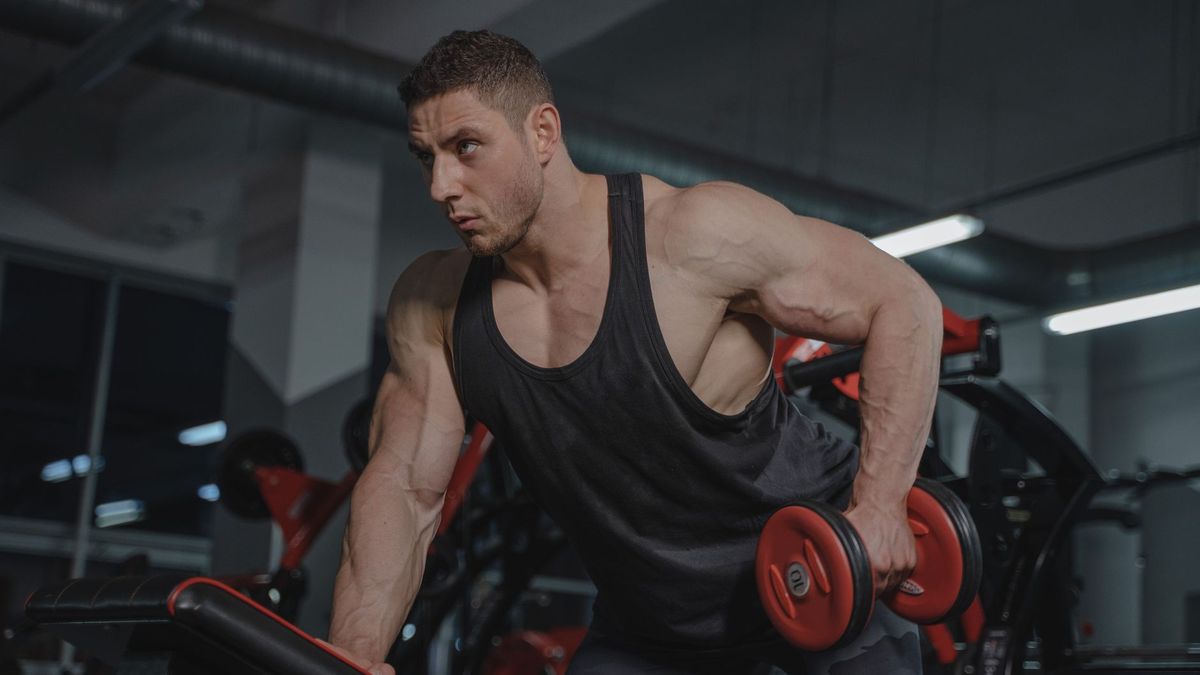
Now let's work on some unilateral strength and stability with the reverse lunge. This one is great because it's easier on the knees for many people compared to forward lunges, and it really challenges one leg at a time. Hold a dumbbell in each hand, letting them hang at your sides. Stand tall, feet hip-width apart.
Take a step back with one leg, landing on the ball of your foot. As you step back, lower your body straight down until both knees are bent at roughly 90-degree angles. Your front knee should be stacked over your ankle, and your back knee should hover just above the ground. Make sure your torso stays upright; don't lean forward. You should feel this in the glute and quad of your front leg. Push through the heel of your front foot to stand back up, bringing your back leg forward to meet the front. Alternate legs or complete all reps on one side before switching. A big mistake is letting your front knee wobble inward or extending too far past your toes. Keep it stable and controlled. We're looking for 3 sets of 8-12 reps per leg. Take your time with these; stability is key.
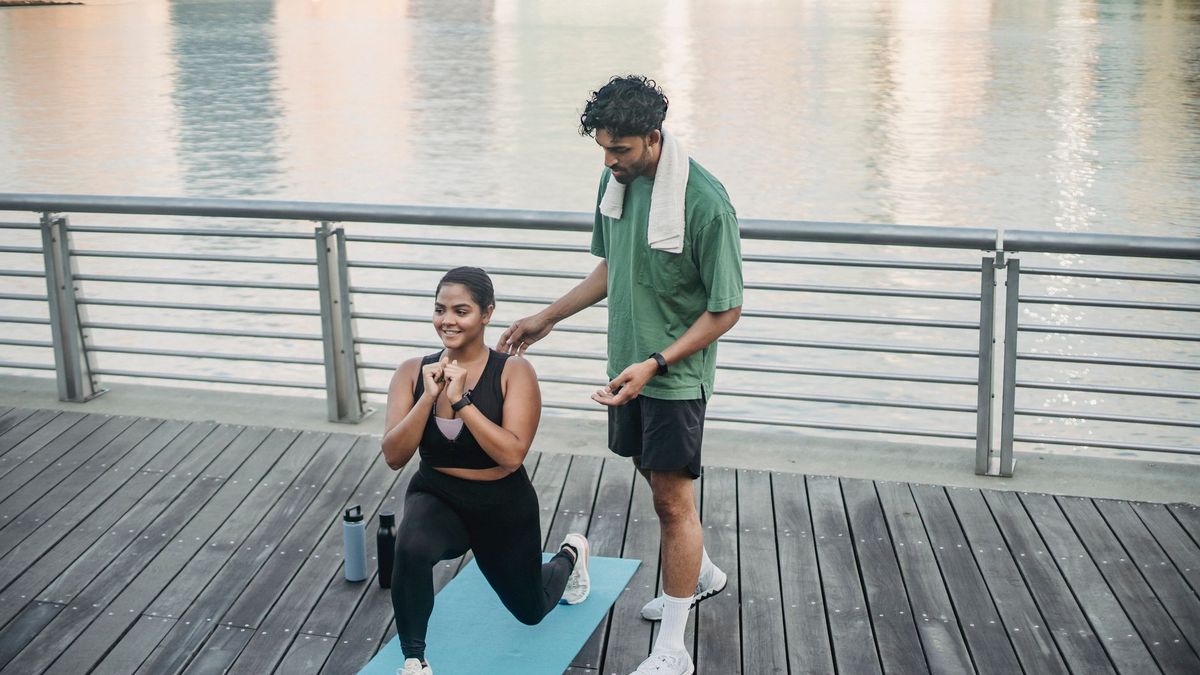
To finish off our leg workout, we can't forget the calves. They're often overlooked, but strong calves are important for everything from walking to jumping. You won't need much weight for these, or you can even do them with just your body weight. Stand tall, either holding a dumbbell in one hand for a bit of extra resistance, or just bodyweight. You can hold onto a wall or a sturdy rack for balance if you need to.
With your feet hip-width apart, slowly lift your heels as high as you can, coming up onto the balls of your feet. Really focus on squeezing your calf muscles at the very top. Hold that contraction for a second, then slowly lower your heels back down, letting them go slightly below the level of your toes if you're on a step, to get a full stretch. The key here is control and range of motion. Don't bounce. Don't rush. You should feel a deep burn in your calf muscles. A common mistake is doing them too fast or not going through the full range of motion. We're aiming for 3 sets of 12-15 reps. Your calves can handle a lot, so really try to feel that squeeze and stretch.
Alright, you've crushed your beginner leg day workout! Now it's time to cool down. Spend 5-10 minutes doing some static stretches. Think hamstring stretches, quad stretches, glute stretches, and calf stretches. Hold each stretch for about 20-30 seconds. This helps your muscles start their recovery process and can reduce some of that next-day stiffness. Just don't expect to be completely pain-free; some soreness is normal, especially when you're new to leg training. It's a sign your muscles are adapting and getting stronger. The kind of soreness you want to avoid is sharp pain; that's your body telling you something's wrong.
So, how do you know if the session did its job? You should feel a good pump in your legs, a bit tired, and maybe a little wobbly. And yes, you'll likely be a little sore in the next day or two, but it shouldn't be debilitating. Aim to repeat a session like this 1-2 times a week, allowing a couple of days for recovery in between. Listen to your body. If you're still really sore, give yourself an extra day.
Getting started with a solid beginner leg day workout is a fantastic step. It builds a powerful base for all your other training and daily activities. If you want a structured way to plan your workouts, track your progress, and even find partners to join you, you've got to check out the Workout With Me app. It helps you find people to train with and offers everything you need to know about setting up a workout plan that fits your goals, right down to managing your recovery. Give it a try; you might just find your next workout buddy waiting for you.
October 2, 2026 · 8 min read
Ready for your first beginner calisthenics workout? Here is a practical, step by step guide to mastering the park bars with honest progressions.
September 28, 2026 · 6 min read
The best AI workout apps in 2026, compared honestly: Fitbod, JuggernautAI, Dr. Muscle, RP Hypertrophy and more, including where each one actually wins.
September 2, 2026 · 6 min read
Need a quick, high-yield routine? This 30 minute gym workout fits your lunch break perfectly using smart, zero-transition supersets.