September 16, 2026 · อ่านประมาณ 8 นาที
เวลาที่ดีที่สุดในการไปยิม
การหาเวลาที่ดีที่สุดในการไปยิมไม่ใช่เรื่องของวิทยาศาสตร์ แต่คือการหลีกเลี่ยงผู้คนและสร้างกิจวัตรที่คุณจะทำมันได้จริง
October 17, 2026 · อ่านประมาณ 7 นาที
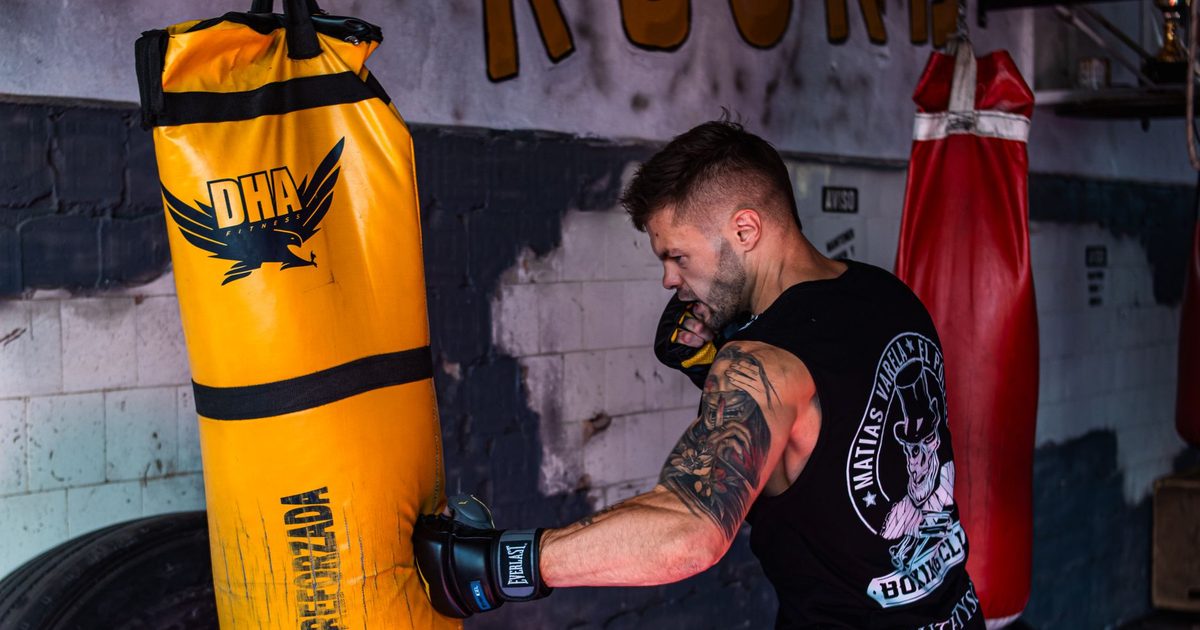
You zip up a bulging backpack packed with foam rollers, two shakers, lifting straps, and three extra layers, only to spend ten minutes in the locker room digging around for your locker key under a pile of gear you will never touch. I have seen new lifters carry bags that look like they are moving into the facility permanently. When you are figuring out what to bring to gym sessions, overloading yourself with novelty gear creates friction before you even lift a weight. Most lists tell you to buy everything under the sun, but a streamlined setup keeps your focus where it belongs: on your actual workout.
If you are stepping onto the floor for the first time, our complete guide to starting at the gym covers how to navigate the machines, but packing your bag properly is the very first hurdle. Here is how to build a setup that gives you everything you need without turning your gym bag into an obstacle course.
There are three items you cannot train comfortably without: a reliable lock, a dedicated water bottle, and a sweat towel. Skip any of these and your session instantly gets harder.
First, buy a simple combination padlock instead of a key lock. Gym keys on tiny brass rings have a habit of falling out of pocketless shorts or getting left on the ledge of a cable station. A combination lock stays locked to your locker door, and you only need to remember four digits. If your gym uses electronic keycards or wristbands, keep a designated zip pocket in your bag where that card lives the second you enter the building.
Second, bring a water bottle that holds at least 750 milliliters and features a secure spout. Screw-top bottles that require two hands to open every time you finish a heavy set of squats become annoying fast. You want a bottle you can open with one hand, sip from between sets, and toss onto the rubber flooring without worrying about spills.
Third, carry a small microfiber towel. Standard cotton bathroom towels take up half your bag and get damp fast. A thin, quick-drying microfiber towel folds down to the size of a paperback book and lets you wipe down benches before and after your sets without soaking through.
Most generic packing lists tell you to grab a pair of cushioned running shoes. That is terrible advice for heavy strength training. Squatting, deadlifting, or doing overhead presses in plush running shoes with thick air bubbles is like trying to lift weights while standing on a mattress. The thick foam compresses under load, stealing force and making your ankles unstable.
If you plan to lift weights, flat-soled shoes beat expensive running trainers every single time. Classic canvas sneakers like Converse Chuck Taylors, minimalist barefoot shoes, or dedicated flat lifting shoes give your feet a hard, stable surface that connects you directly to the floor. You can push driving force directly through your heels without wobble.
Keep your cushioned running shoes in your bag only if you plan to spend twenty minutes on the treadmill after your lifting session. Otherwise, wear your flat shoes straight from home and save valuable bag space.
Packing smart is not about having more gear. It is about removing every distraction between you and your sets.
Your phone is both your primary training tool and your biggest distraction. To make it work for you, pack two small tech accessories: noise-isolating wireless earbuds and a reliable workout logging setup.
Gym sound systems are unpredictable. One day it is intense heavy metal, the next it is commercial pop blaring directly over the squat racks. A comfortable pair of Bluetooth earbuds lets you control your environment and maintain focus. Keep a small charging cable in your bag so you are never caught with dead batteries mid-workout.
For tracking, leave the paper notebook at home unless you genuinely prefer handwriting. Paper notebooks get damp on the gym floor, pens get lost, and calculating your progressive overload history by flicking back through thirty wet pages takes time you should spend resting. A clean app on your phone lets you log your sets, reps, and weights in seconds. Workout With Me lets you record your numbers instantly, track your strength scores, and even watch your muscle recovery update in real time on a visual body map as you train.
Beginners often think they need a shaker bottle packed with bright pink pre-workout powder and three different supplement tubs inside their bag. You do not. Drinking high-dose stimulants right before you learn new compound lifts can make you feel jittery and nauseous rather than focused.
Instead, pack simple, real-food options for quick energy. A banana or two rice cakes with a light spread of peanut butter eaten twenty to thirty minutes before your session gives your muscles easily accessible carbohydrates without filling your stomach with liquid.
If your session lasts longer than sixty minutes, keep a small snack in your bag for afterward. A plain box of chocolate milk or a single scoop of whey protein mixed with water right after you finish will hold you over until you eat a proper meal at home. Skip the complex multi-compartment supplement shakers; a simple single-chamber shaker with a wire mixing ball is far easier to clean and will not leak in your main bag compartment.
If you shower at the gym before heading to work or home, your hygiene kit needs to be compact and waterproof. The biggest mistake people make is tossing wet towels and body wash bottles straight into the main compartment of their canvas bag.
Pack a small, waterproof wet bag or a sturdy gallon zip-top bag. This keeps your sweaty training clothes and wet shower towel completely separate from your clean clothes, phone chargers, and dry shoes.
For shower shoes, never walk barefoot in communal gym showers. Fungal infections thrive on wet tile floors where hundreds of people walk daily. Keep a cheap pair of rubber flip-flops inside your wet bag strictly for locker room and shower use. Add a travel-sized 2-in-1 body wash and shampoo bottle, plus a travel deodorant stick. Big full-sized shampoo bottles add unnecessary weight and frequently burst open under pressure inside your bag.
Knowing what to take out of your bag is just as critical as knowing what to put in. Overpacking creates decision fatigue and makes simple workouts feel complicated.
Leave these items at home when you are starting out:
Keep your bag contents consistent week after week. When every item has a specific pocket, packing takes thirty seconds and you will never arrive at the gym missing a shoe or a water bottle.
If you want to make your sessions even easier, try using Workout With Me. Beyond tracking your sets and showing your muscle recovery, it features a live map that lets you find training partners at your local gym so you never have to navigate the floor alone.
September 16, 2026 · อ่านประมาณ 8 นาที
การหาเวลาที่ดีที่สุดในการไปยิมไม่ใช่เรื่องของวิทยาศาสตร์ แต่คือการหลีกเลี่ยงผู้คนและสร้างกิจวัตรที่คุณจะทำมันได้จริง
August 25, 2026 · อ่านประมาณ 8 นาที
สงสัยไหมว่าควรออกกำลังกายนานแค่ไหนเมื่อเริ่มเข้ายิมใหม่ๆ? นี่คือความจริงเกี่ยวกับเวลาที่ใช้ในยิม จังก์วอลุ่ม และประสิทธิภาพที่แท้จริงในการสร้างกล้ามเนื้อ
August 11, 2026 · อ่านประมาณ 9 นาที
กำลังตัดสินใจไม่ได้ว่าควรเริ่มด้วยเครื่องออกกำลังกายหรือฟรีเวทที่ยิมใช่ไหม คู่มือนี้จะแจกแจงข้อดีข้อเสียของเครื่องออกกำลังกายกับฟรีเวทสำหรับมือใหม่ให้คุณเข้าใจ