October 2, 2026 · 8 min czytania
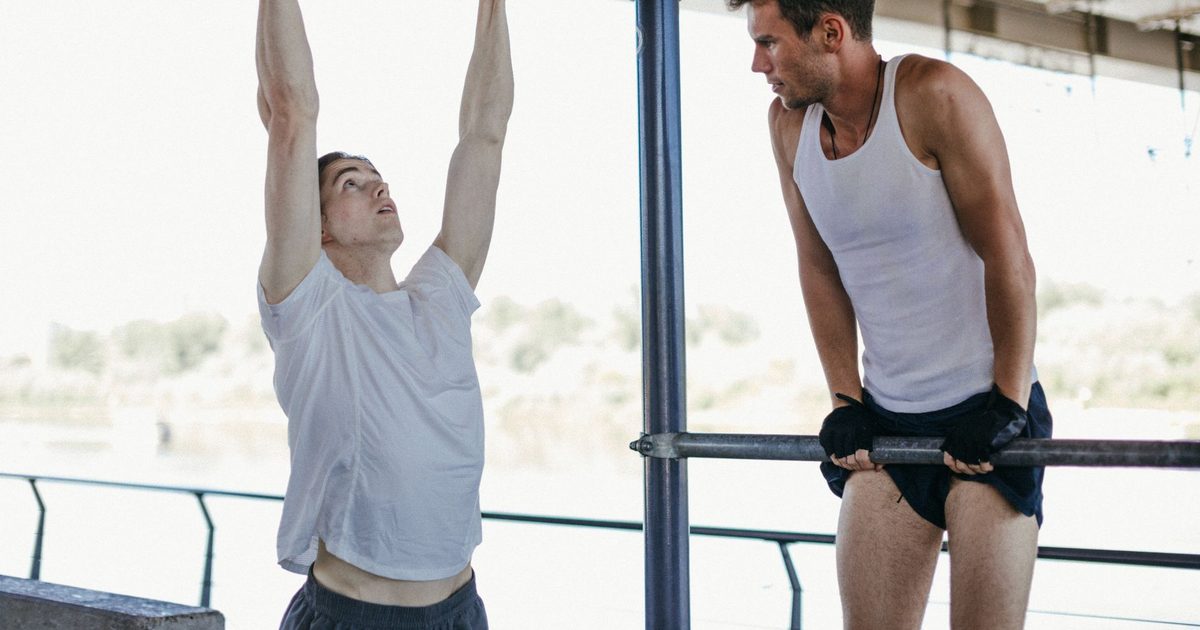
Pierwszy trening kalisteniki w parku
Gotowy na pierwszy trening kalisteniki? Oto praktyczny przewodnik krok po kroku, jak opanować drążki w parku dzięki prostym regresjom.
July 18, 2026 · 8 min czytania
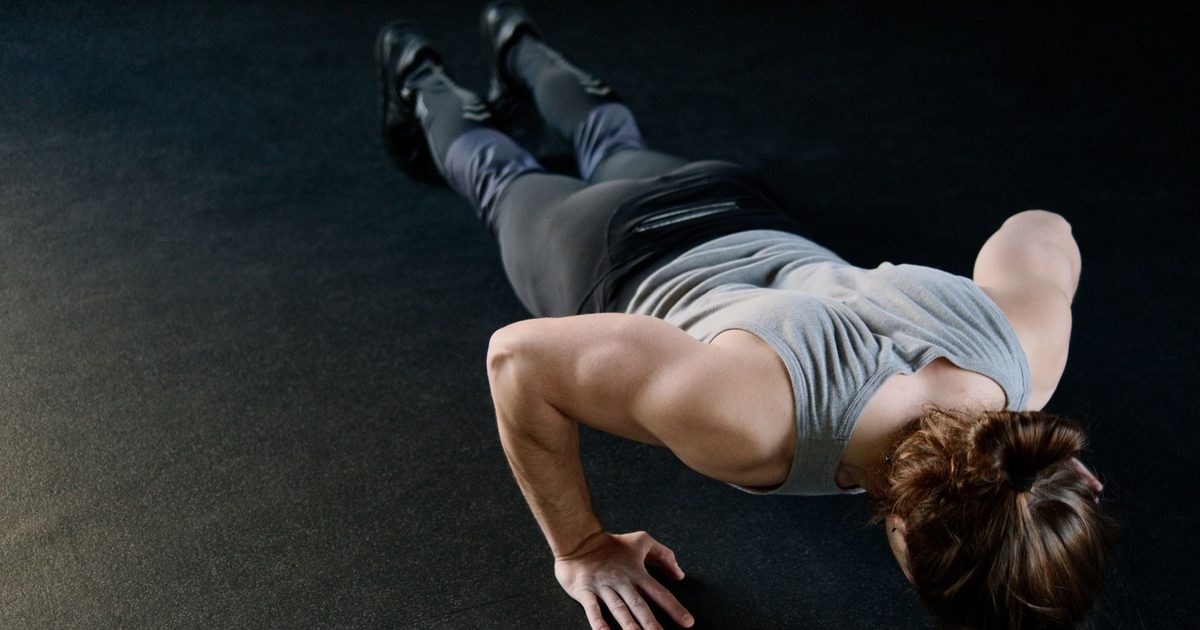
Jak naprawdę czuje się dobry dzień push, gdy dopiero zaczynasz? To pytanie, które często słyszę, i jest całkowicie uzasadnione. Kiedy jesteś nowy na siłowni, wymyślanie co robić, jak to robić, i czy w ogóle robisz to dobrze, może wydawać się ogromną przeszkodą. Ten przewodnik ma na celu przebicie się przez ten szum i danie ci jasnego, szczerego przeglądu treningu push dla początkujących. Mówię o rodzaju sesji, która buduje solidny fundament, pomaga zrozumieć własne ciało, i sprawia, że czujesz się silny, nie zdezorientowany.
To nie jest jakaś super zaawansowana, skomplikowana rutyna. Jest dla ciebie, jeśli dopiero zaczynasz z podnoszeniem ciężarów, lub jeśli robiłeś losowe ćwiczenia i chcesz wprowadzić trochę struktury do swojego treningu. Skupimy się na fundamentalnych ruchach, które pracują klatkę piersiową, barki, i triceps, głównych mięśniach zaangażowanych w "pchanie" rzeczy. Moim celem jest dać ci pewność, żeby wejść na siłownię, dokładnie wiedzieć co robisz, i dobrze się z tym czuć.
Ok, przygotujmy scenę. Ten trening push dla początkujących powinien zająć ci mniej więcej 45 do 60 minut, wliczając rozgrzewkę i schłodzenie. Będziesz potrzebować dostępu do hantli, płaskiej ławki, regulowanej ławki skośnej, i maszyny na wyciągu. Nie martw się jeśli twoja siłownia jest super zatłoczona; większość z tych to popularne sprzęty. Zanim nawet pomyślisz o podnoszeniu czegoś ciężkiego, musisz się rozgrzać. Nie mówię tylko o kilku krążeniach ramion; mam na myśli właściwą dynamiczną rozgrzewkę, która pobudza krążenie i przygotowuje stawy. Spędź 5-10 minut robiąc rzeczy jak wymachy ramion, skręty tułowia, lekkie cardio na rowerze lub orbitreku, i dynamiczne rozciąganie klatki piersiowej i barków. To nie jest opcjonalne; tak zapobiegasz kontuzjom i lepiej się sprawujesz.
Upewnienie się, że twoje ciało jest gotowe na nadchodzącą pracę jest kluczowe. Przygotowujesz się na sukces.
To twoje fundamentalne ćwiczenie klatki piersiowej, prawdziwy klasyk z dobrego powodu. Będziesz leżeć na płaskiej ławce z hantlą w każdej ręce, dłonie zwrócone do siebie na start, potem obrócisz je tak, że dłonie skierowane są do przodu podczas wyciskania. Stopy powinny być płasko na podłodze, dając ci stabilną bazę. Kiedy opuszczasz hantle, pomyśl o kontrolowaniu ruchu, pozwalając im zejść mniej więcej na poziom klatki piersiowej, lub aż poczujesz dobre rozciąganie w klatce. Nie pozwól łokciom rozejść się super szeroko; trzymaj je lekko wciśnięte, może pod kątem 45 stopni od ciała. To pomaga chronić barki i kładzie większy nacisk na klatkę piersiową.
Kiedy wypychasz hantle z powrotem w górę, wyobraź sobie, że odpychasz od siebie sufit. Chcesz kontrolowanego, potężnego ruchu. Nie zderzaj hantli razem na górze; utrzymuj lekkie napięcie w klatce. To ćwiczenie głównie pracuje mięśnie piersiowe, ale przednie barki i triceps na pewno pomogą. Powinieneś czuć głębokie rozciąganie w klatce na dole i silny skurcz, gdy pchasz w górę. Celuj w 3 do 4 serii po 8 do 12 powtórzeń. Częstym błędem tutaj jest pozwalanie hantlom spadać zbyt szybko lub rozchylanie łokci zbyt szeroko, co może wywierać niepotrzebny stres na barki.
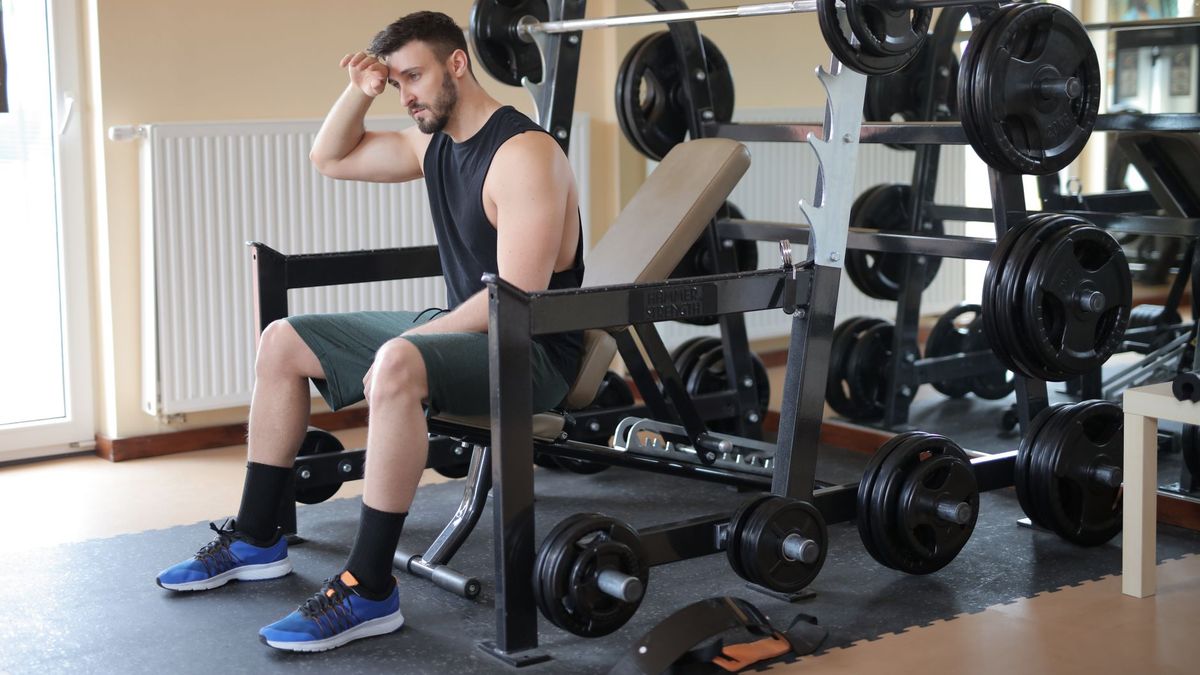
Teraz zmienimy trochę kąt, żeby uderzyć w górną część klatki piersiowej. Do tego potrzebujesz regulowanej ławki skośnej ustawionej pod umiarkowanym kątem, pomyśl o łagodnym nachyleniu, nie super stromym. Chwyć znów hantle i połóż się na ławce skośnej. Ustawienie jest podobne do wyciskania na płaskiej ławce, ale z powodu nachylenia poczujesz to bardziej w górnej części klatki. Opuść hantle z kontrolą, czując to rozciąganie w górnej klatce, a potem wypchnij je z powrotem w górę. Znowu, trzymaj te łokcie lekko wciśnięte, nie rozłożone szeroko.
Ważne jest kontrolowanie opuszczania tutaj. Nie pozwól grawitacji wykonać całej pracy; opieraj się jej. Budujesz siłę w obu kierunkach ruchu. Powinieneś czuć to ćwiczenie głównie w górnej klatce piersiowej i przedniej części barków. Powszechne jest czucie się nieco słabszym przy wyciskaniu na skos niż przy płaskim, i to całkowicie normalne; to inny wzorzec aktywacji mięśni. Spróbuj 3 serii po 10 do 15 powtórzeń. Błąd, który często widzę, to ustawianie ławki zbyt stromo, co zamienia to bardziej w ćwiczenie barków niż klatki. Trzymaj to nachylenie umiarkowane.
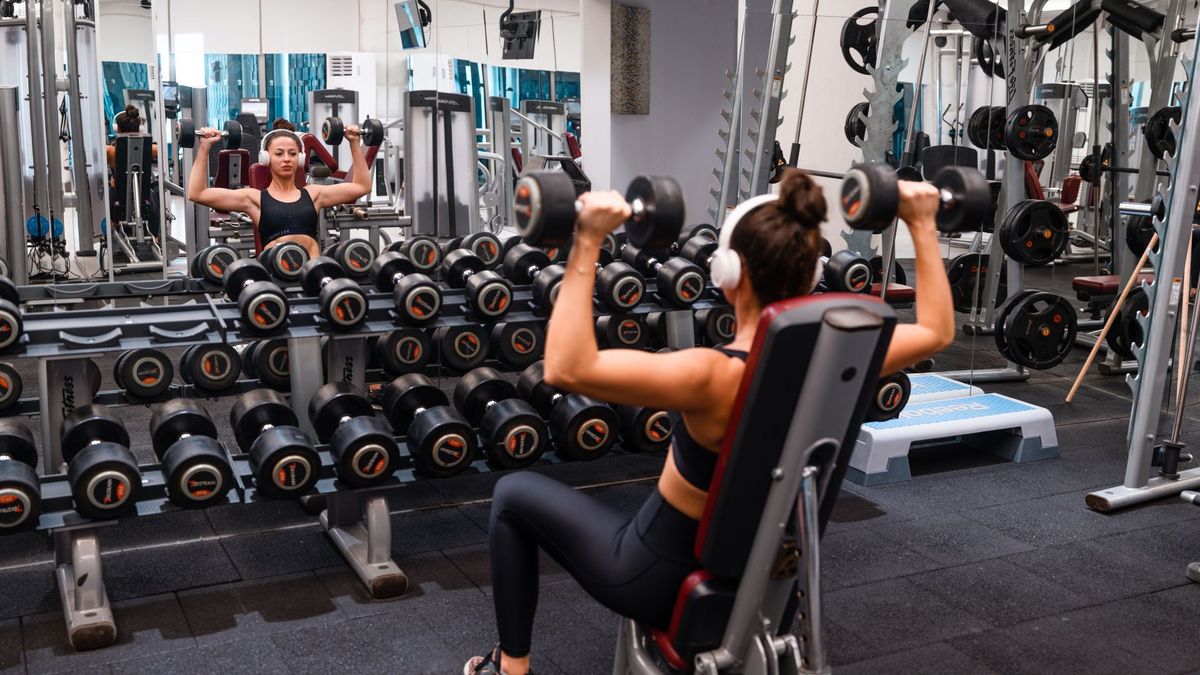
Po uderzeniu w klatkę, czas skupić się dokładnie na barkach. Chwyć parę hantli i usiądź na ławce z oparciem na plecy (to pomaga stabilizować core i dolną część pleców). Trzymaj hantle na wysokości barków, dłonie skierowane do przodu, z ugiętymi łokciami. Kiedy wypychasz hantle nad głowę, pomyśl o pchaniu ich prosto w górę, lekko przed głową, aż ramiona będą prawie w pełni wyprostowane. Nie blokuj łokci całkowicie; utrzymuj minimalne ugięcie, żeby chronić staw. Potem opuść hantle z powrotem do pozycji startowej z kontrolą.
Ten ruch dotyczy budowania silnych, dobrze zaokrąglonych barków. Poczujesz to głównie w mięśniach naramiennych, zwłaszcza przedniej i bocznej części. To potężny ruch złożony, co oznacza, że angażuje wiele stawów i grup mięśniowych. Chcesz utrzymać stabilny tułów przez cały ruch; nie używaj rozpędu ani nie odchylaj się nadmiernie do tyłu. Celuj w 3 serie po 8 do 12 powtórzeń. Częstym błędem jest wzruszanie barkami w stronę uszu podczas pchania, co oznacza, że mięśnie czworoboczne przejmują część pracy. Trzymaj barki nisko i z tyłu.
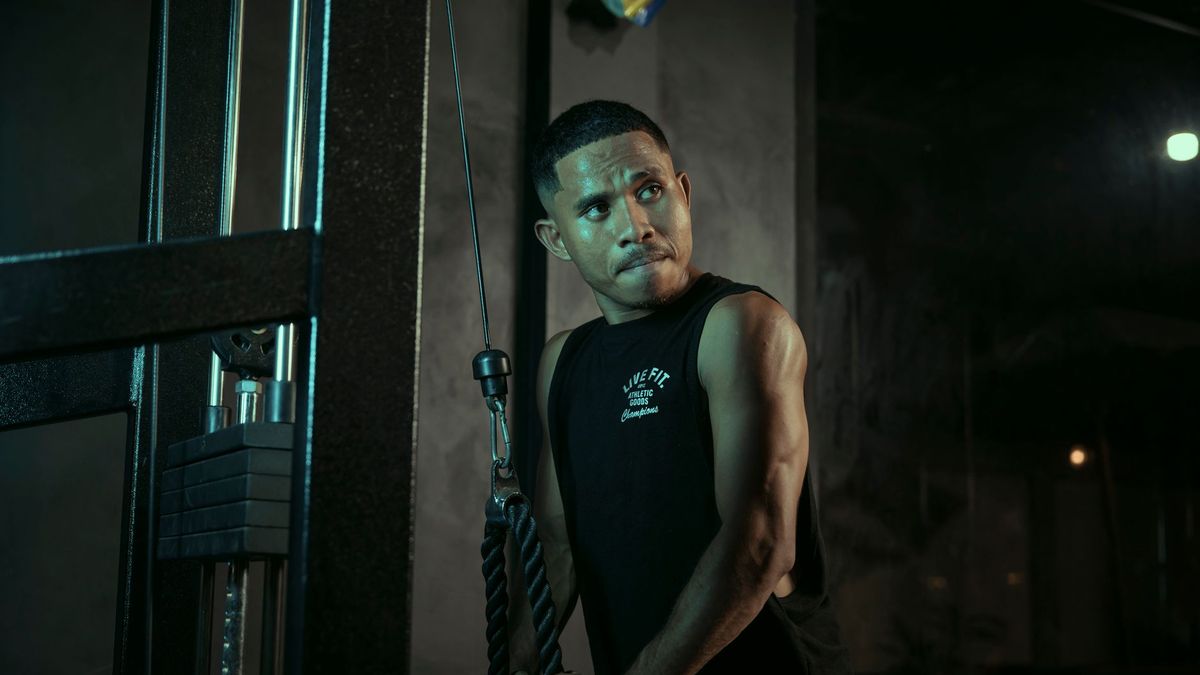
Ok, uderzyliśmy w klatkę i barki, teraz czas na triceps, te mięśnie z tyłu górnej części ramienia. Idź do maszyny na wyciągu i przymocuj prostą sztangę lub uchwyt linowy do górnego bloczka. Chwyć uchwyt chwytem nachwytnym, cofnij się lekko, i pochyl się trochę do przodu. Łokcie powinny być wciśnięte blisko ciała. Z tej pozycji, wypchnij uchwyt w dół, w pełni prostując ramiona, ale znowu, nie blokuj łokci. Zaciśnij triceps na dole ruchu. Potem powoli pozwól uchwytowi wrócić w górę, kontrolując ciężar, gdy łokcie wracają do pozycji startowej.
To ćwiczenie izoluje triceps, pomagając mu stać się silniejszym i większym. Powinieneś czuć silny skurcz z tyłu ramion na dole ruchu, i dobre rozciąganie na górze. Kluczem tu jest trzymanie łokci stosunkowo nieruchomo; ruch powinien pochodzić z prostujących się przedramion. Spróbuj 3 serii po 10 do 15 powtórzeń. Wielkim błędem tutaj jest używanie całego ciała, żeby wykołysać ciężar w dół, zamiast pozwolić tricepsowi wykonać pracę. Trzymaj to rygorystycznie, trzymaj to kontrolowanie.
I to wszystko dla głównej części podnoszenia. Solidnie i skutecznie przepracowałeś mięśnie pchające.
Na zakończenie barków i nadanie im tego zaokrąglonego wyglądu, zrobimy trochę unoszeń bokiem. Chwyć lżejszą parę hantli do tego; to ćwiczenie izolacyjne, i technika jest o wiele ważniejsza niż ciężki ciężar. Stań stopami na szerokość barków, z lekkim ugięciem w kolanach, i hantlami po bokach, dłonie zwrócone do ciała. Z lekkim ugięciem w łokciach, unieś hantle na boki, aż ramiona będą mniej więcej równoległe do podłogi, tworząc kształt litery 'T' z ciałem. Wyobraź sobie, że wylewasz wodę z dzbanka, gdy je unosisz. Potem powoli opuść hantle z powrotem do startu.
To ćwiczenie celuje w boczne deltoidy, kluczowe dla szerokości barków i ogólnej estetycznej równowagi. Powinieneś czuć pieczące uczucie z boku barków. Nie próbuj unosić hantli zbyt wysoko; wychodzenie poza poziom równoległy niekoniecznie pomaga i może wywierać stres na stawy barkowe. Celuj w 2 do 3 serii po 12 do 18 powtórzeń. Częstym błędem jest używanie zbyt dużego rozpędu lub wzruszanie ciężarem w górę, znowu pozwalając czworobocznym przejąć kontrolę. Trzymaj ruch kontrolowany i skupiony na boku barków.
Więc, rozwaliłeś swój trening push dla początkujących! Skąd wiesz, czy spełnił swoje zadanie? Powinieneś czuć dobrą pompę w klatce, barkach, i tricepsie, i ogólne uczucie zmęczenia w tych mięśniach. Możesz nawet czuć się trochę roztrzęsiony, zwłaszcza jeśli to twój pierwszy raz naprawdę się pchania. To dobry znak! Teraz, nie wychodź od razu za drzwi. Poświęć 5-10 minut na schłodzenie i rozciąganie. Delikatne rozciąganie klatki, barków, i tricepsa pomoże z regeneracją i elastycznością. Utrzymaj każde rozciąganie przez około 20-30 sekund. Pomyśl o statycznym rozciąganiu, delikatnie w nie wchodząc.
Kiedy powinieneś powtórzyć tę sesję? Dla początkującego, robienie dnia push raz lub dwa razy w tygodniu to świetny punkt startowy, dający dużo czasu na regenerację. Słuchaj swojego ciała; jeśli wciąż jesteś naprawdę obolały, daj sobie kolejny dzień. Konsekwencja jest tu prawdziwym sekretem, nie przesada. Jeśli szukasz więcej sposobów na organizację treningu i utrzymanie konsekwencji, możesz chcieć sprawdzić wszystko, co musisz wiedzieć o ustawianiu solidnego planu treningowego.
Budowanie siły i pewności siebie na siłowni to fantastyczna podróż, i jest jeszcze lepsza, gdy masz ludzi, z którymi możesz się nią podzielić. Aplikacja Workout With Me może połączyć cię z innymi, którzy są na podobnej drodze, ułatwiając znalezienie partnerów do sesji właśnie takich jak ta. Jest darmowa, i jest zbudowana, żeby pomóc ci znaleźć ludzi do trenowania w prawdziwym życiu. Spróbuj, możesz właśnie znaleźć swojego nowego ulubionego partnera treningowego.
October 2, 2026 · 8 min czytania
Gotowy na pierwszy trening kalisteniki? Oto praktyczny przewodnik krok po kroku, jak opanować drążki w parku dzięki prostym regresjom.
September 28, 2026 · 6 min czytania
Szczere porównanie najlepszych aplikacji treningowych AI w 2026 roku: Fitbod, JuggernautAI, Dr. Muscle, RP Hypertrophy i inne. Zobacz, która wygrywa.
September 2, 2026 · 6 min czytania
Potrzebujesz szybkiego, skutecznego planu? Ten 30-minutowy trening idealnie wpasuje się w Twoją przerwę na lunch dzięki sprytnym superseriom.