Deviens vraiment plus fort
Surcharge progressive, un programme facile à suivre et quelqu'un pour assurer vos arrières.
Quel type d'athlète êtes-vous ?
Pas seulement un suivi d'entraînement. Une communauté d'entraînement.
Workout With Me est votre appli d'entraînement tout-en-un : trouvez des partenaires et laissez S.H.A.R.P planifier chaque séance selon votre récupération.
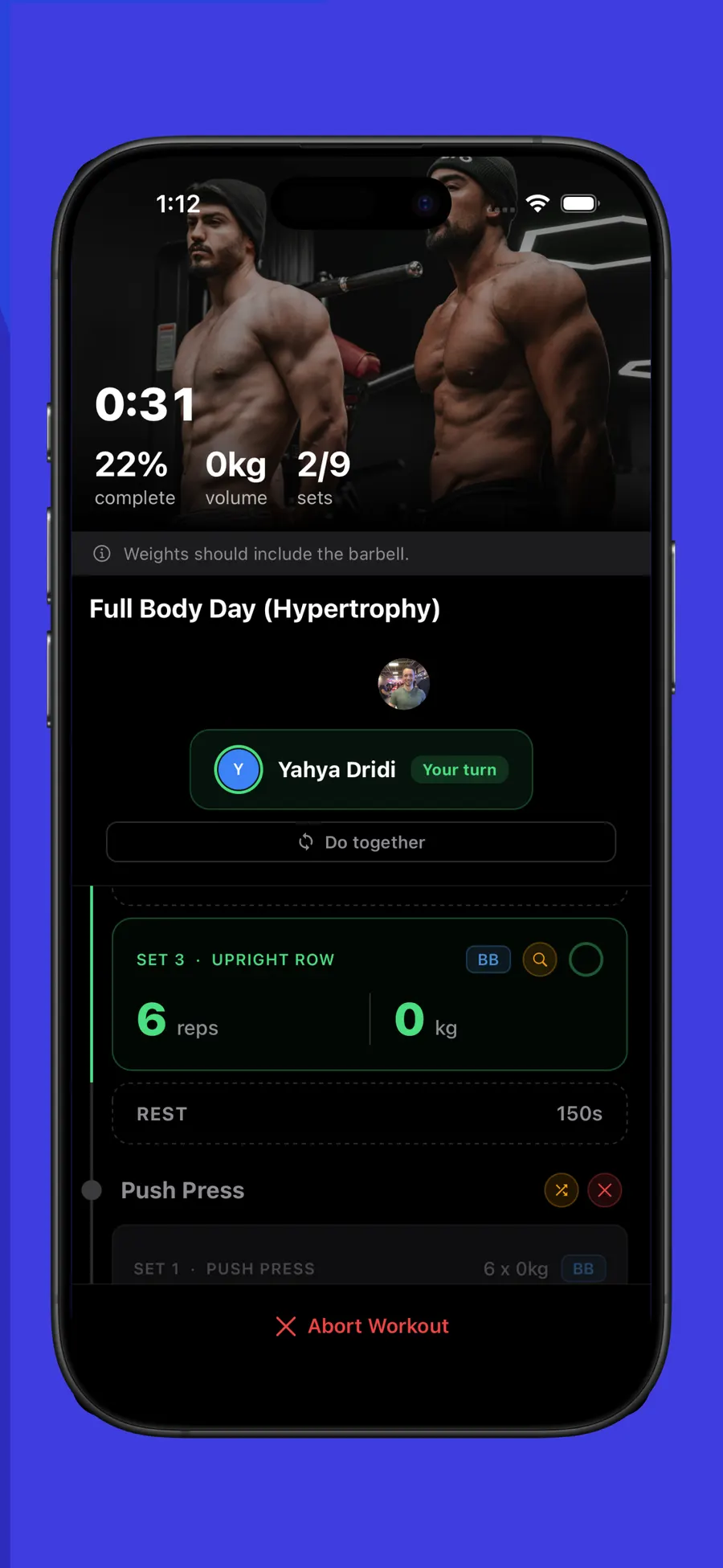
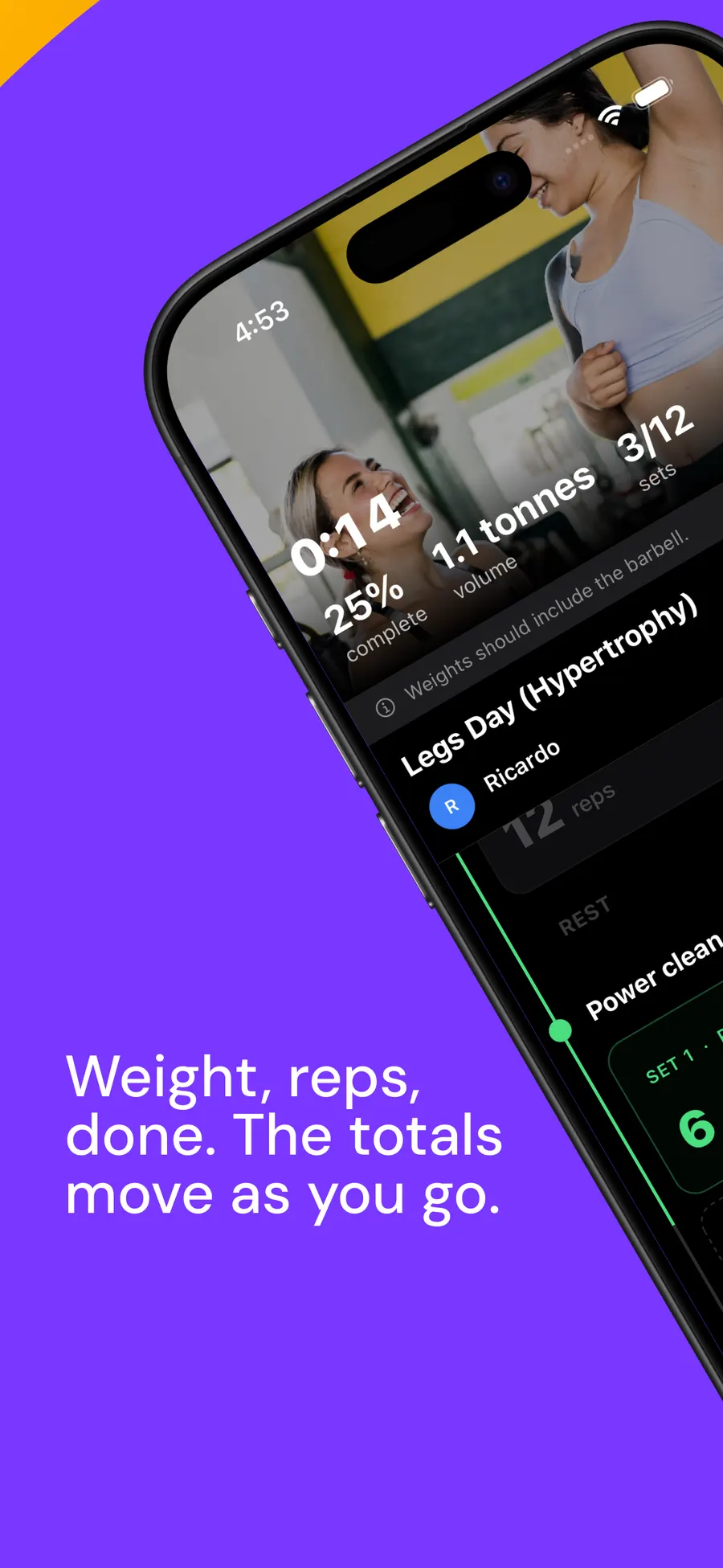
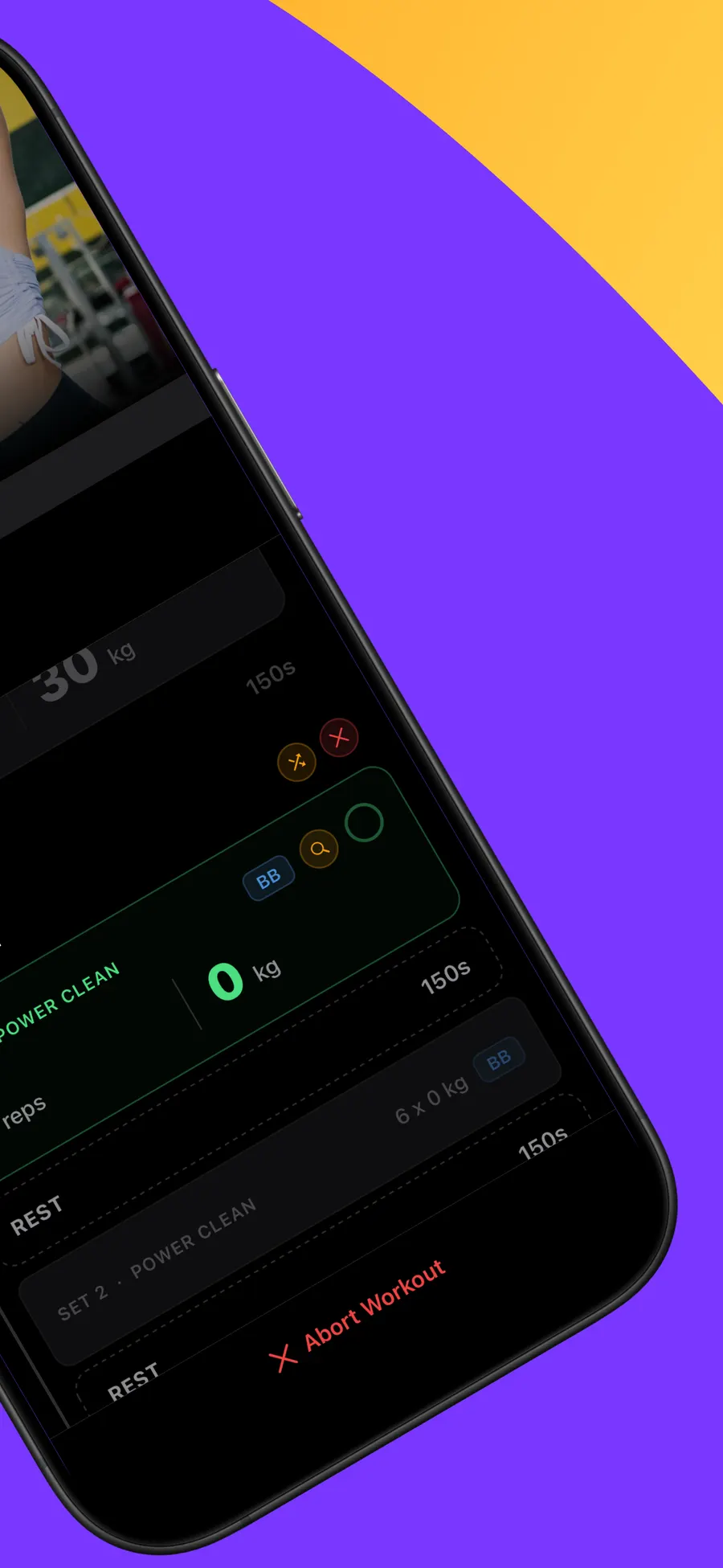
- Suivi des entraînements
- Saisie des séries, répétitions et charges
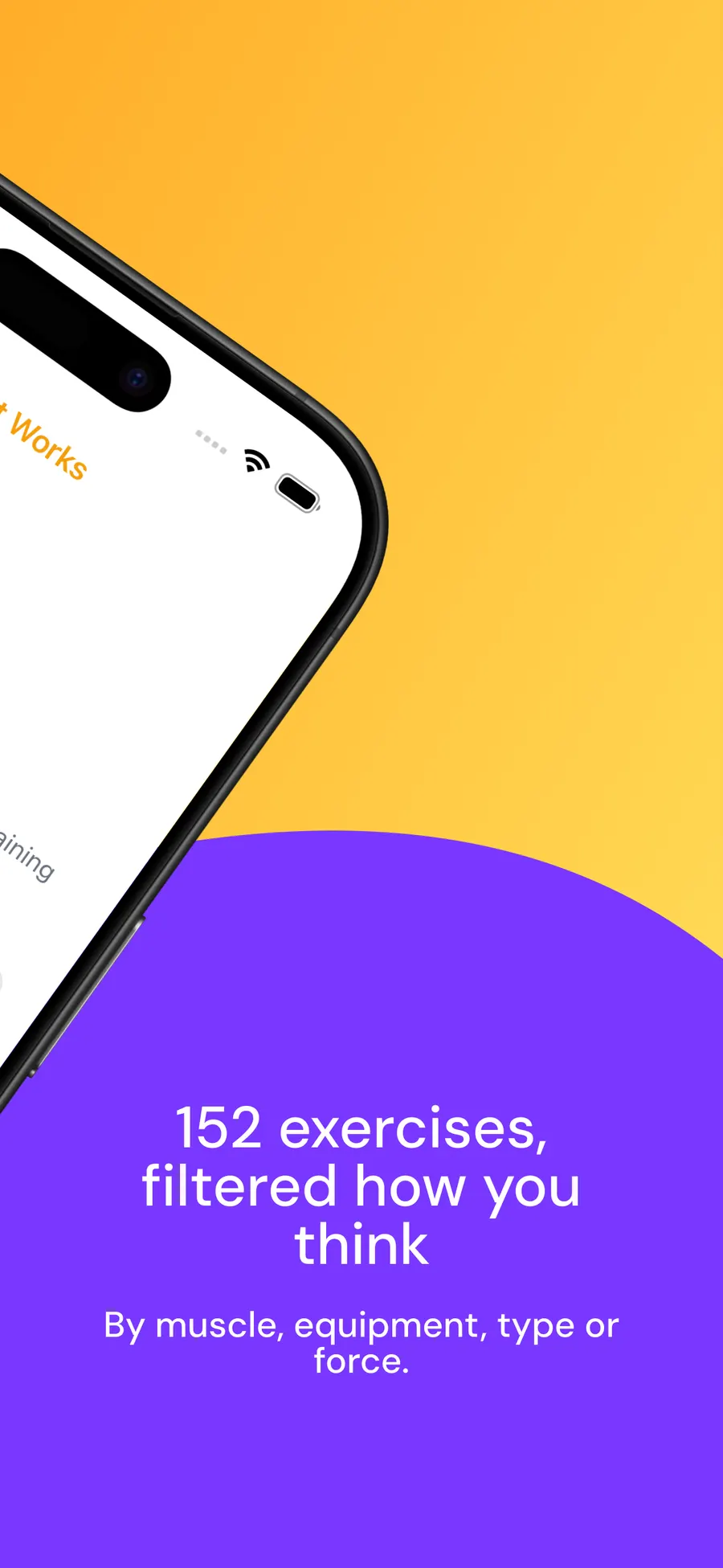
- Bibliothèque d'exercices
- Graphiques de volume et d'historique
- Minuteurs de repos
- Badges de records personnels
- Estimation des calories
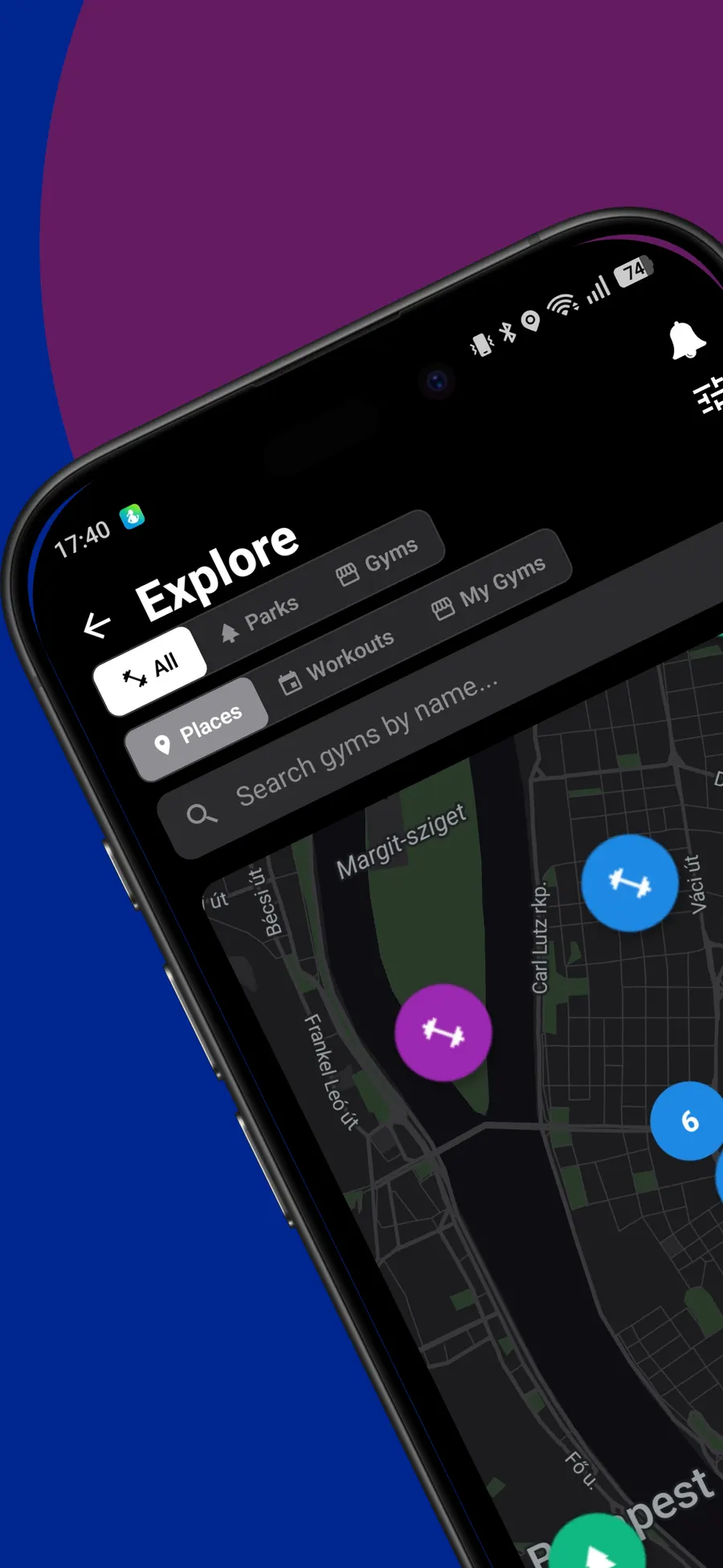
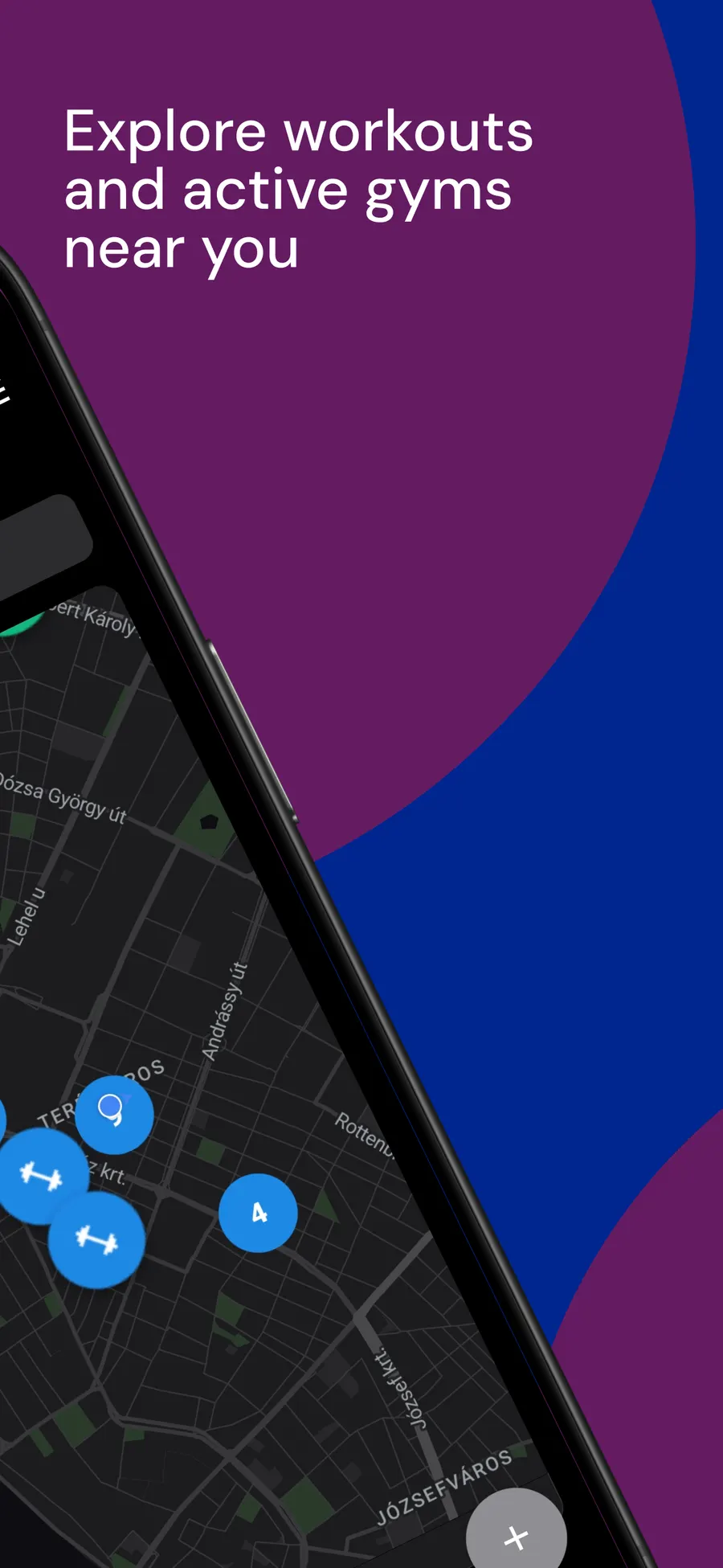
- Passionnés de musculation et de calisthénie près de chez toi
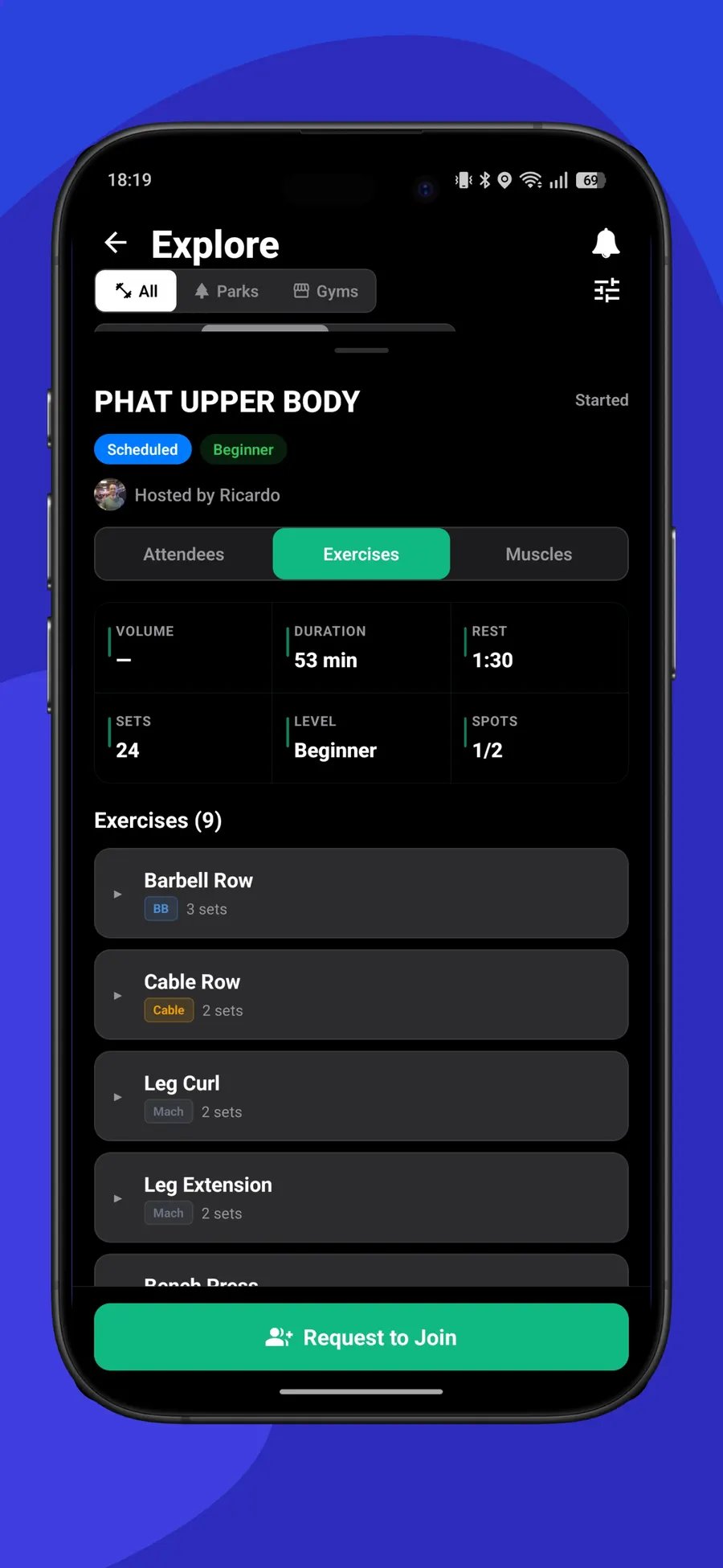
- Rejoins ou organise une séance en un clic
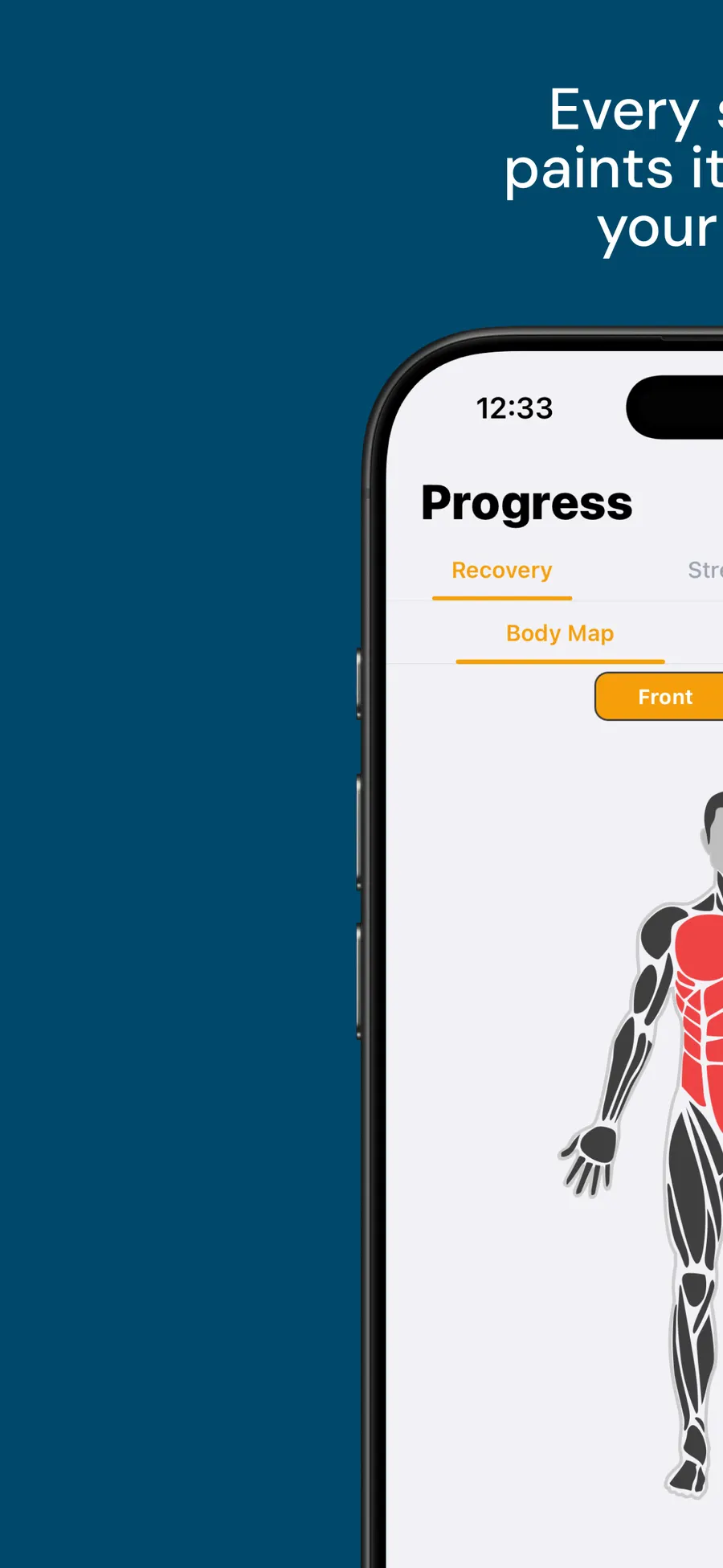
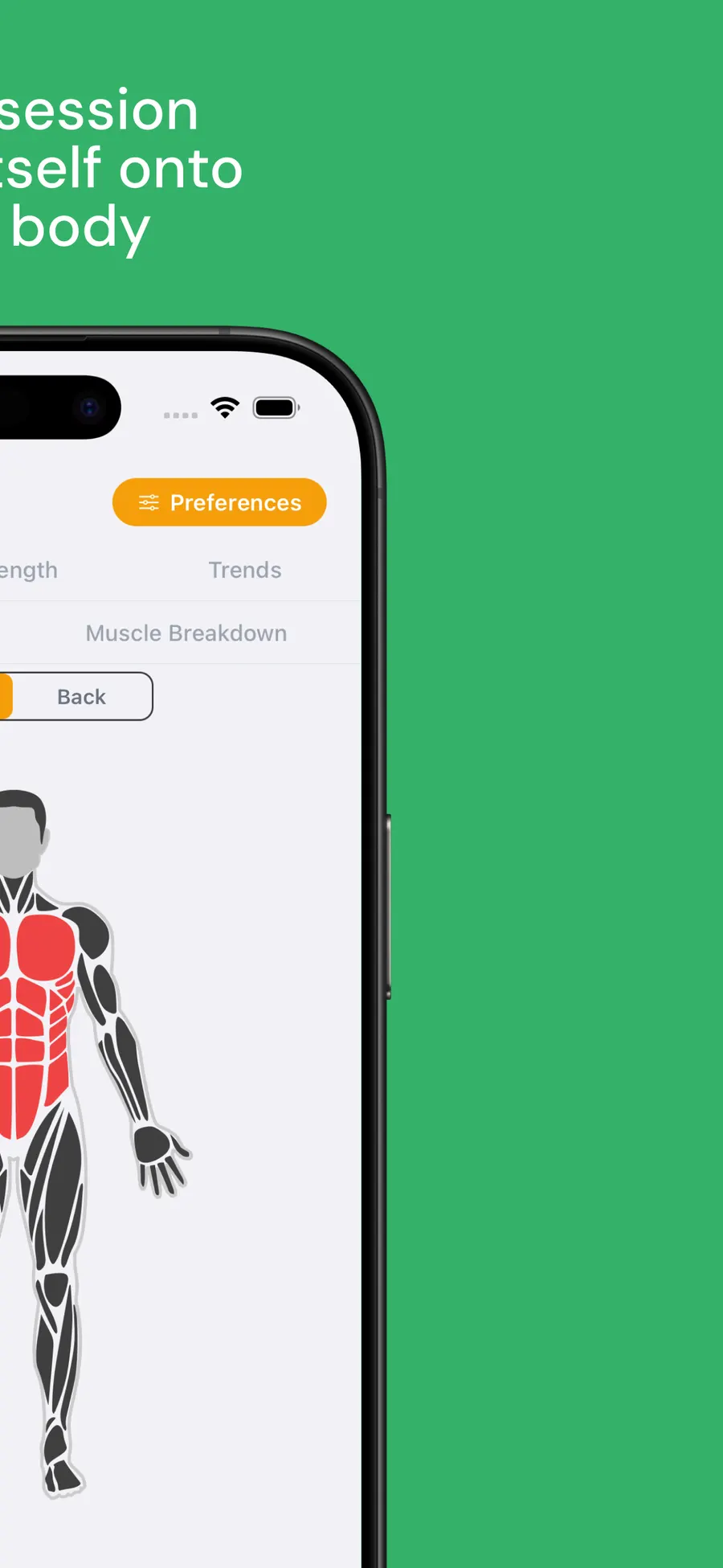
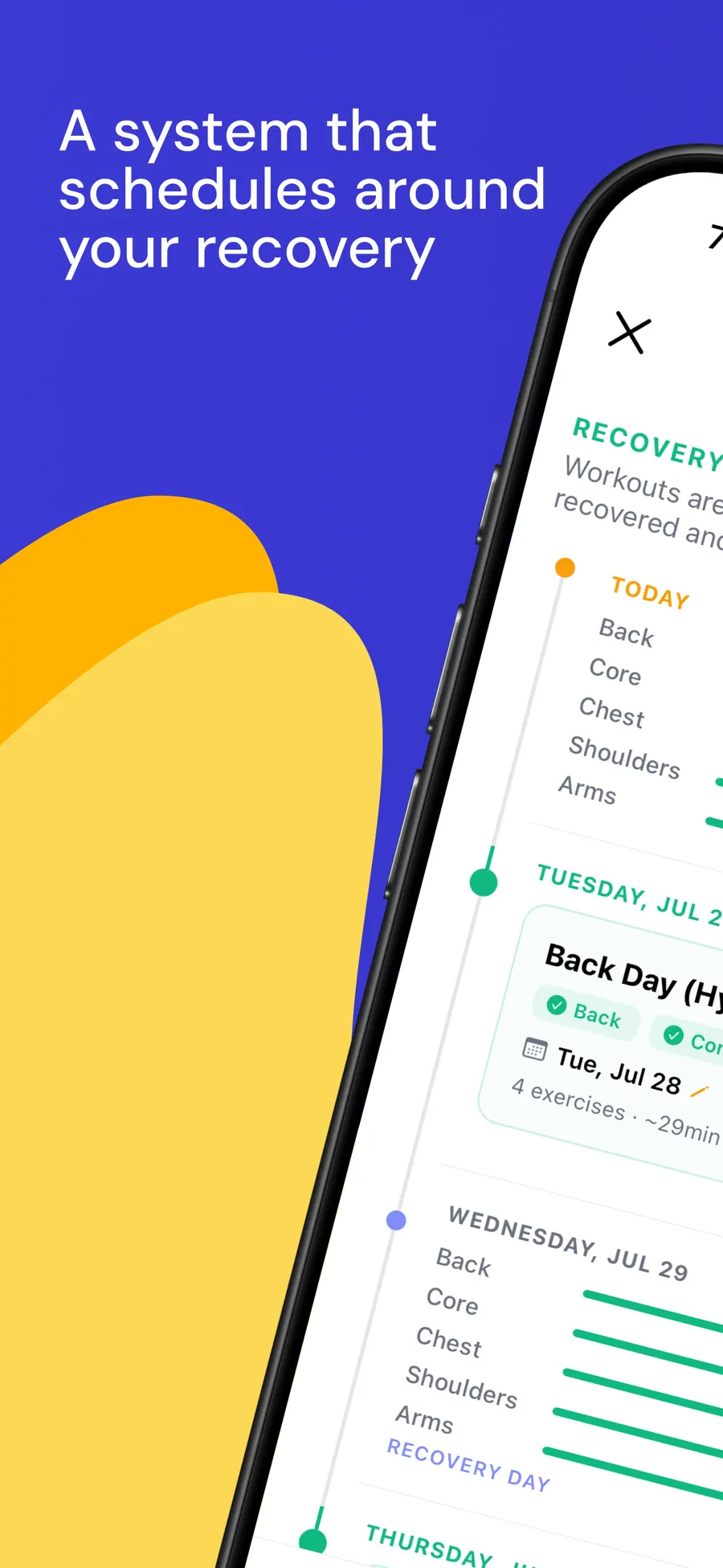
- Entraînement basé sur la récup pour 19 muscles
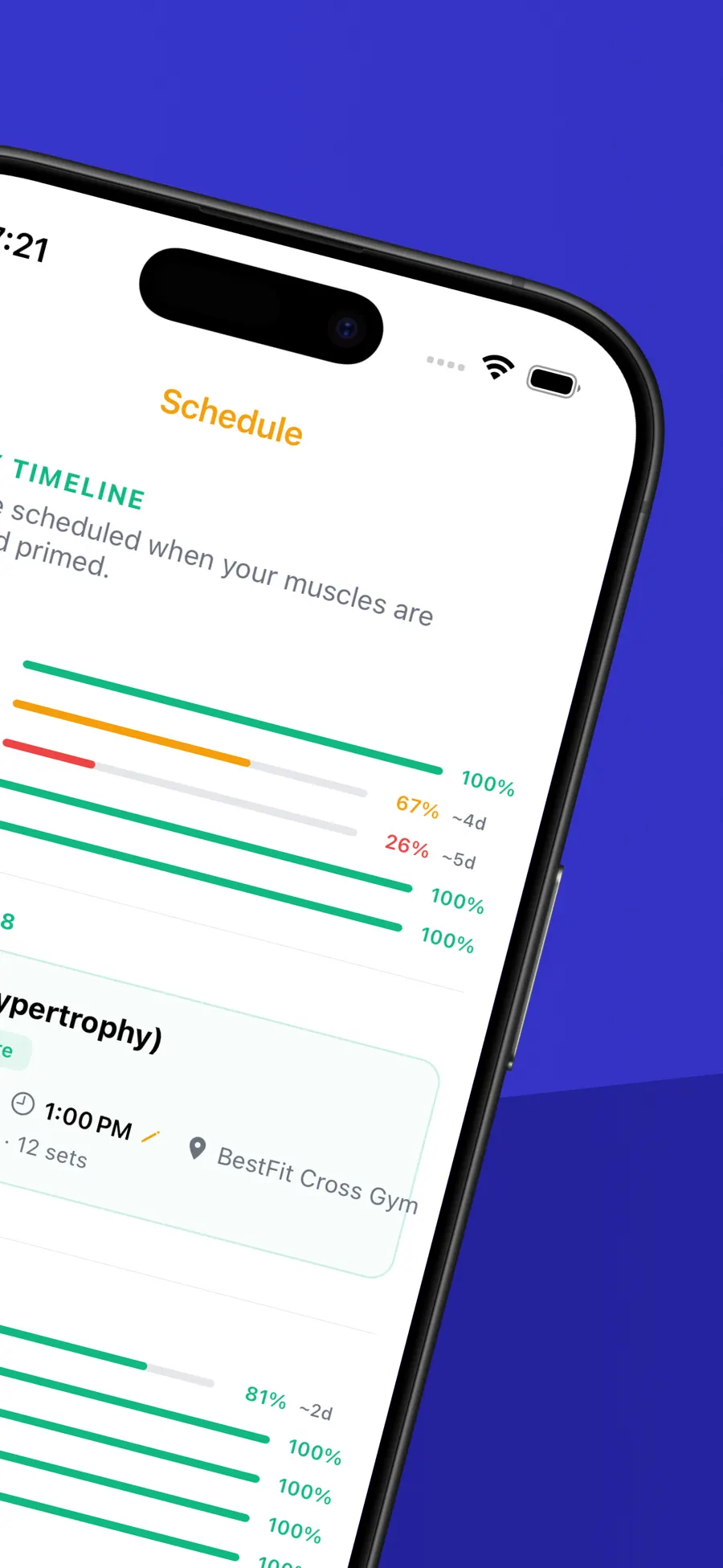
- Un moteur premium scientifique qui planifie ta prochaine séance
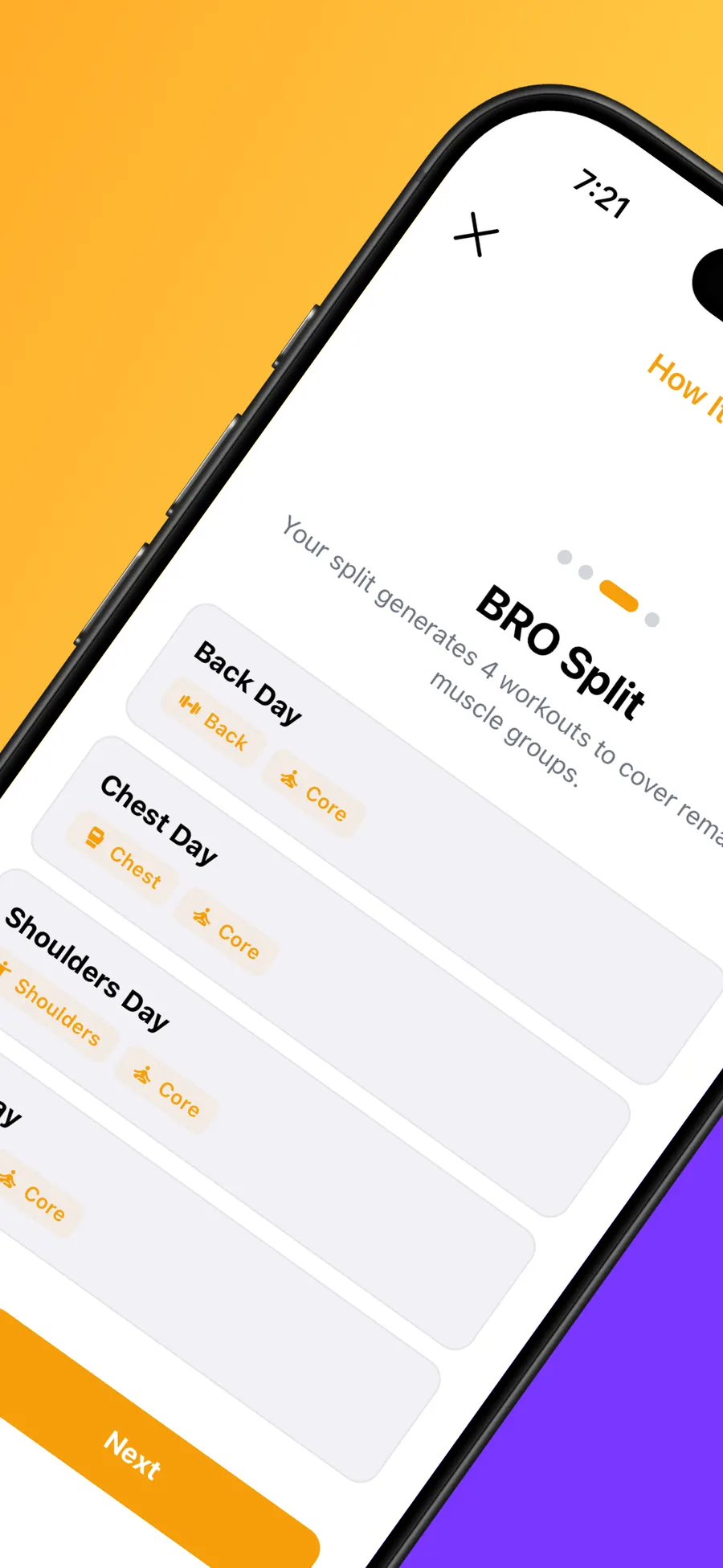
- Programmes premium avec surcharge progressive et deloads intégrés
Commencez en 3 étapes simples
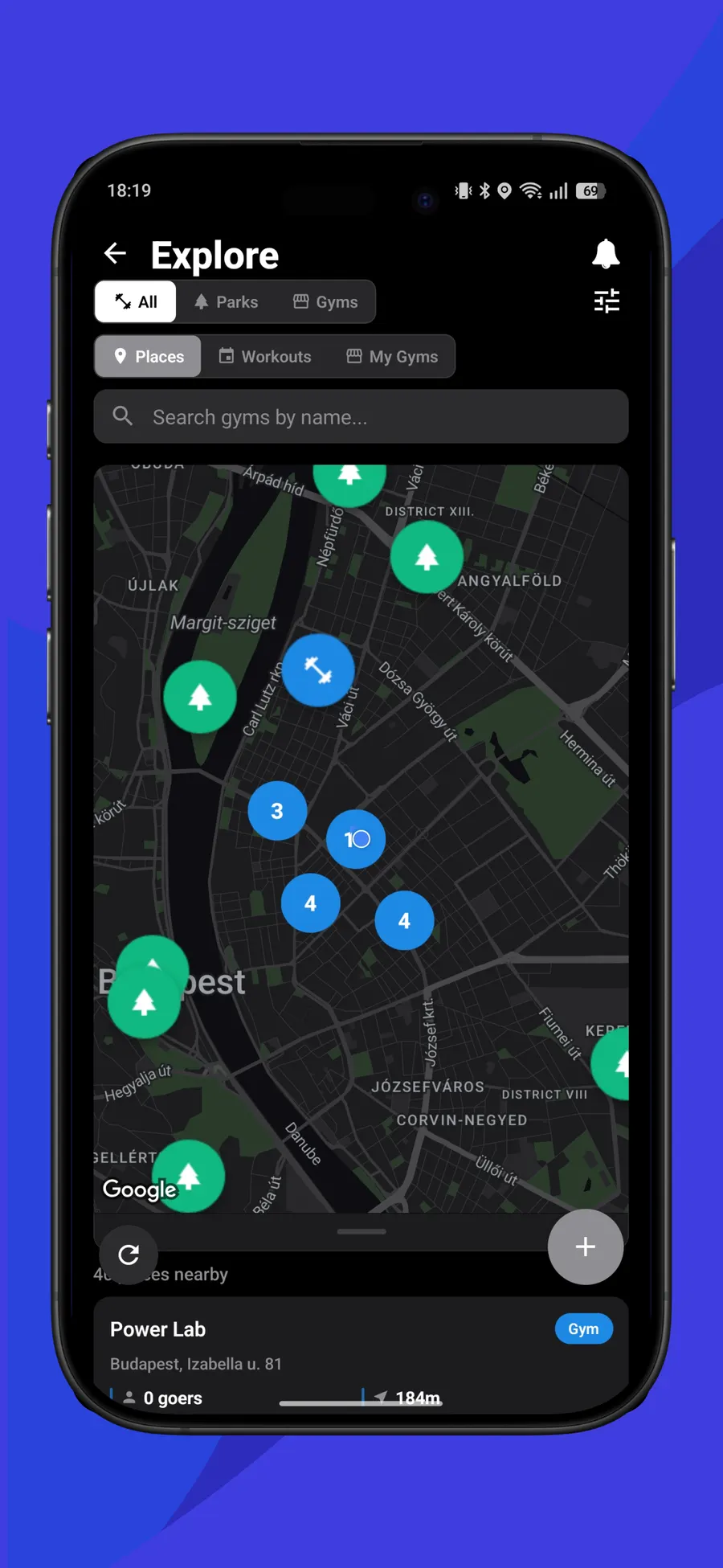
Créez une séance dans une salle de sport ou un parc
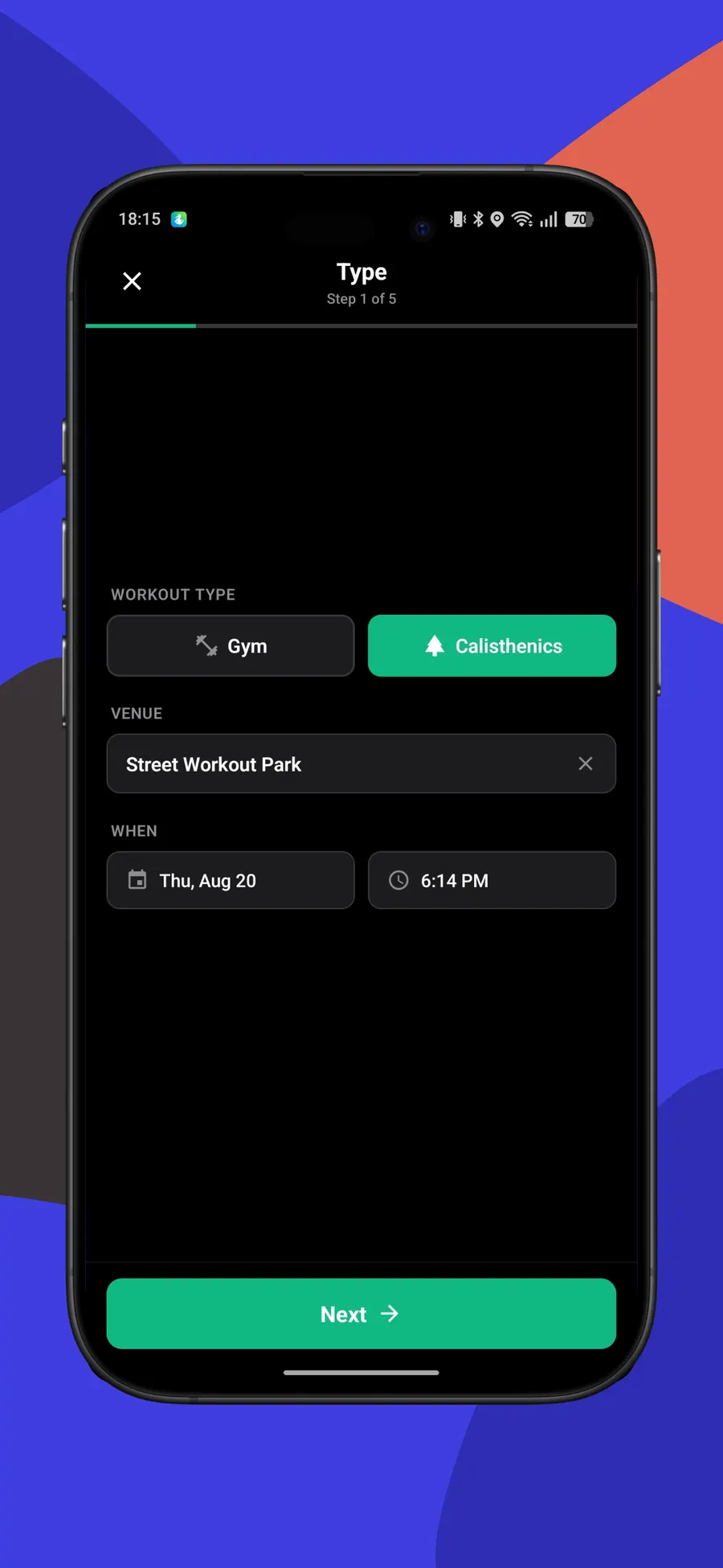
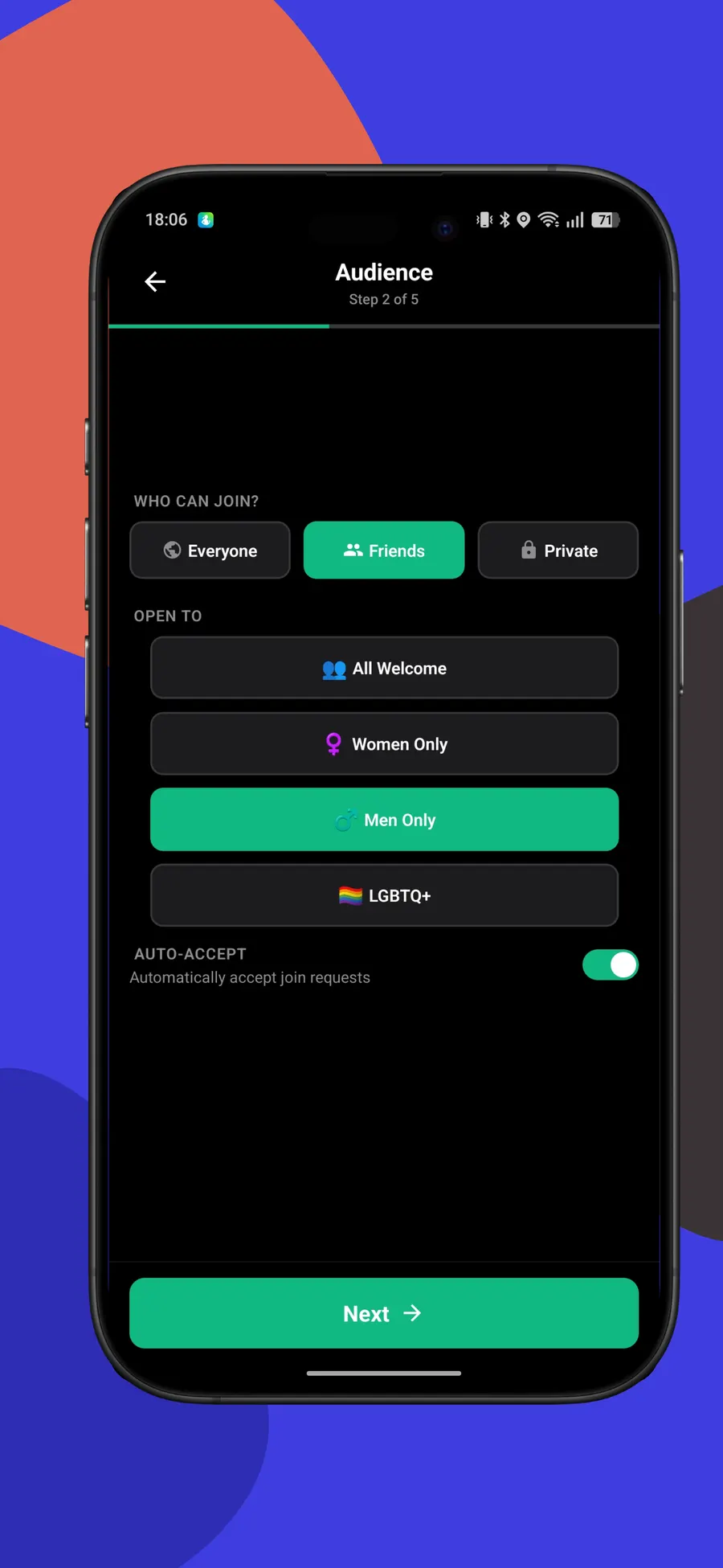
Choisissez précisément qui peut participer
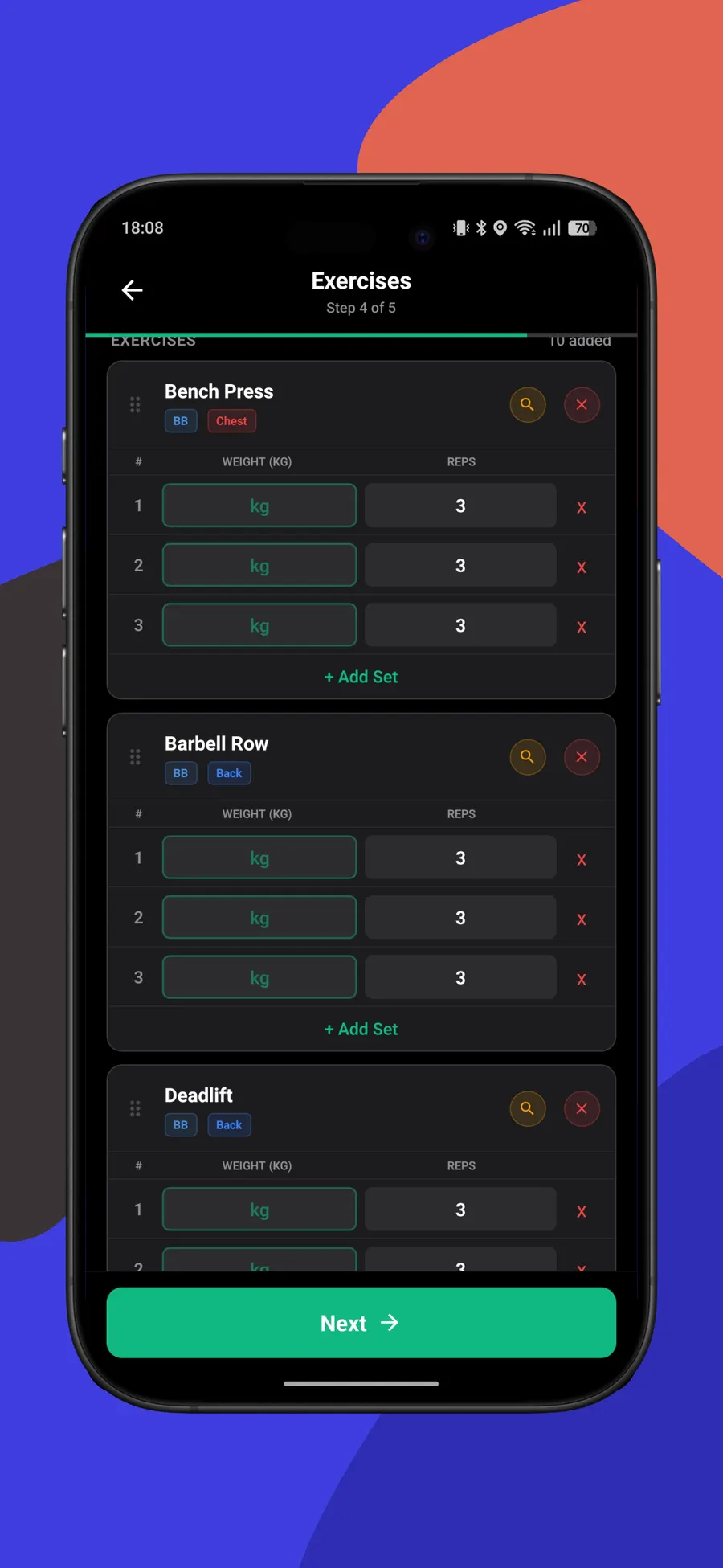
Définissez les exercices, les séries et les réps
Plus de Workout With Me
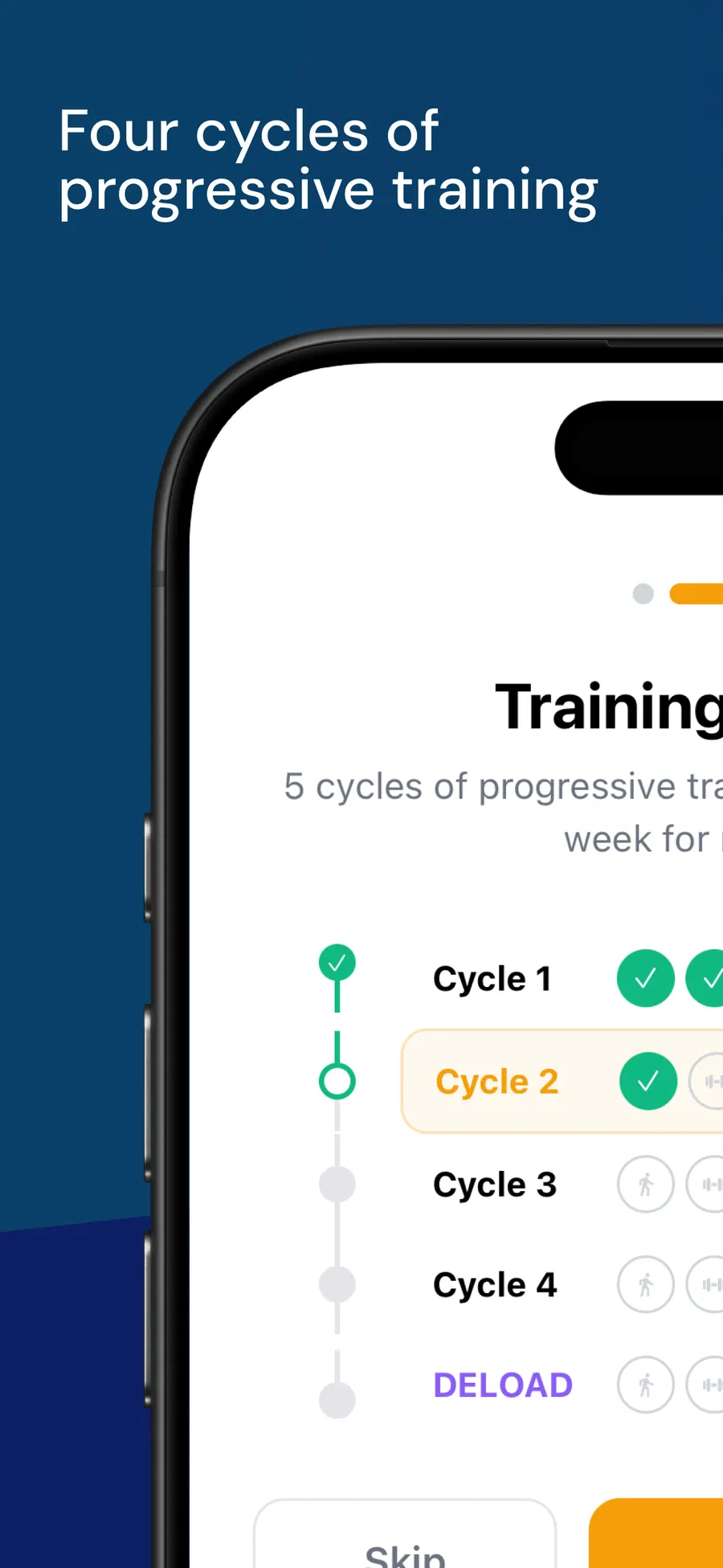
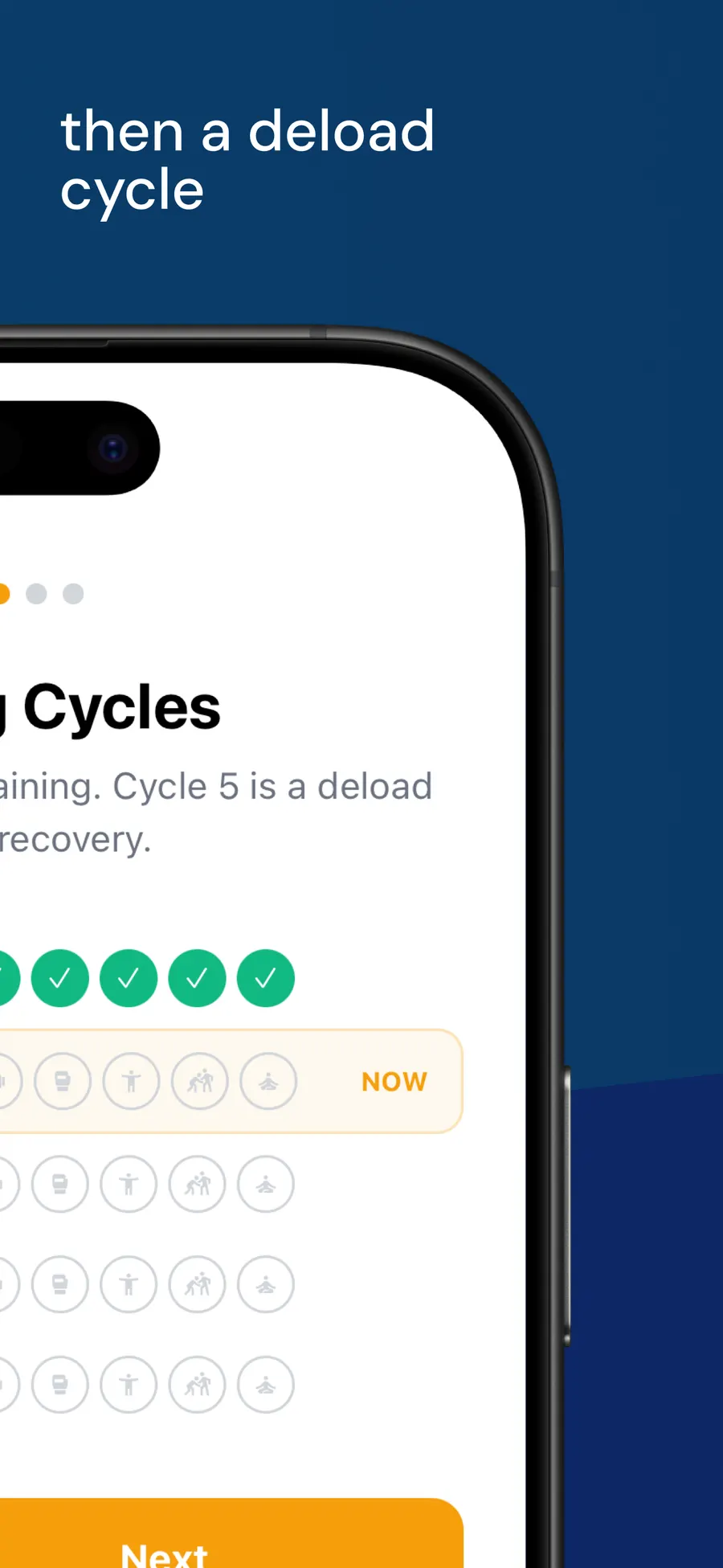
Quatre cycles, puis une décharge
Un bloc d'entraînement complet planifié pour vous : des cycles progressifs avec décharge intégrée pour ne plus jamais avoir à la planifier.
Continuez à explorer Workout With Me
Points clés à retenir
- La musculation repose sur les mouvements polyarticulaires et la surcharge progressive, appliqués avec régularité dans le temps.
- Les muscles deviennent plus forts pendant la récupération, donc programmer autour de la récupération vaut mieux qu'entraîner le même muscle trop souvent.
- Workout With Me suit les séries, répétitions, poids, volume et records personnels, et affiche un profil de force complet avec un score DOTS.
- Le moteur S.H.A.R.P suit 19 sous-catégories musculaires et planifie l'entraînement autour de la récupération et de la surcharge progressive.
- L'appli te met en relation avec des partenaires compatibles en force pour t'assurer en toute sécurité sur les séries lourdes, gratuitement sur iOS et Android.
Qu'est-ce qu'un Entraînement de musculation ?
Entraîner tes muscles contre une résistance pour augmenter ta force au fil du temps, basé sur les mouvements polyarticulaires et la surcharge progressive, avec une récupération gérée pour que l'adaptation puisse se produire entre les sessions.
La surcharge progressive, c'est tout le jeu. Devenir plus fort revient à demander à tes muscles de faire un peu plus au fil du temps : un peu plus de poids, une répétition ou deux de plus, une série supplémentaire. Fais-le régulièrement et la récupération fait le reste. L'astuce, c'est de ne pas en faire trop d'un coup, c'est pourquoi suivre chaque série compte. Tu ne peux pas progresser sur ce que tu ne mesures pas.
Construis autour des mouvements polyarticulaires. Le squat, le développé couché, le soulevé de terre, le développé militaire et le rowing entraînent le plus de muscles pour le moins de temps et se répercutent sur tout le reste. Les exercices d'isolation comblent les lacunes, mais les polyarticulaires sont le moteur. Un bon programme de musculation repose sur une poignée de ces mouvements, progressés patiemment, la plupart des semaines de l'année.
C'est pendant la récupération que tu deviens plus fort. Tu ne progresses pas pendant la session, tu progresses entre les sessions. Entraîner un muscle avant qu'il n'ait récupéré ne fait que creuser un trou. Le moteur S.H.A.R.P de Workout With Me suit 19 sous-catégories musculaires et programme chacune uniquement quand elle est prête, puis fait tourner les exercices pour que la surcharge continue sans surentraînement.
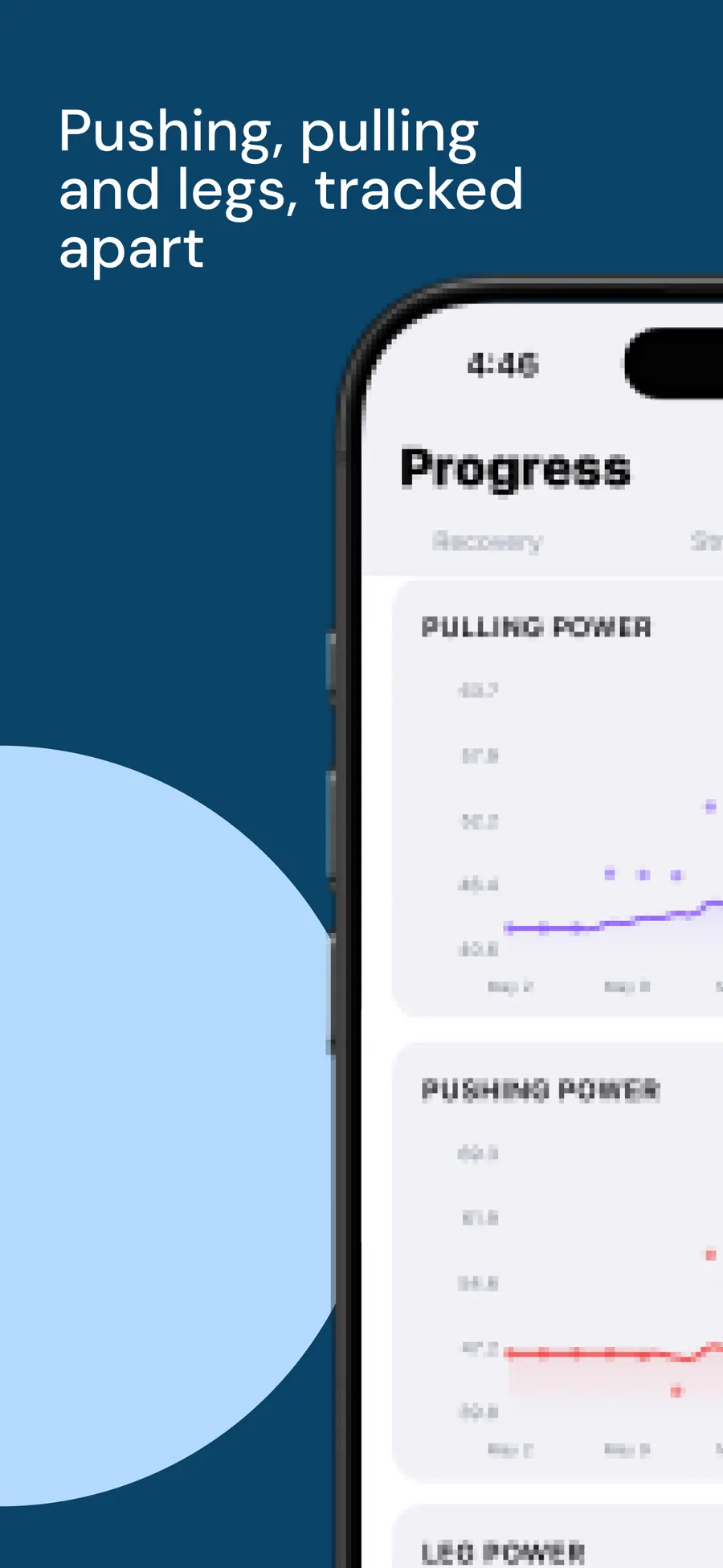
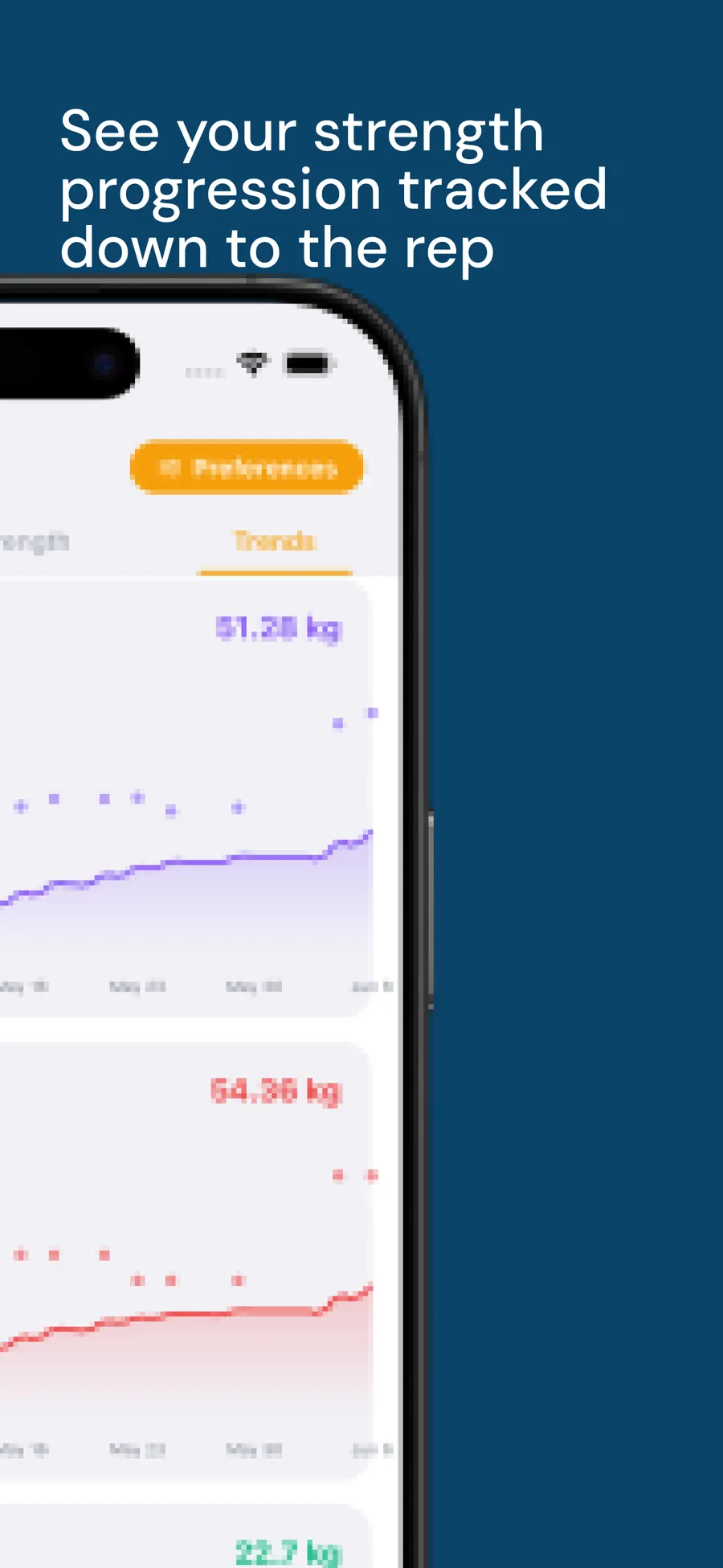
Suis tes charges, vois ta force. Enregistre tes séries, répétitions et poids pendant que tu t'entraînes. L'appli suit ton volume total, détecte automatiquement tes records personnels grâce à une estimation fiable du 1RM, et transforme tout ça en profil de force : puissance de poussée, puissance de traction, puissance des jambes, et un score DOTS que tu peux voir grimper.
Les séries lourdes sont plus sûres avec un partenaire. Un assureur te permet de t'entraîner plus près de ta limite au développé couché et au squat sans risque. Et un partenaire qui t'attend à la salle le mardi est le meilleur outil de régularité qui soit. Workout With Me te met en relation avec des pratiquants proches selon leur compatibilité de force, pour que ton partenaire puisse vraiment gérer ton poids de travail.