Maîtrise Ton Poids de Corps
Les mouvements, les progressions et comment trouver un groupe dans un parc.
Quel type d'athlète êtes-vous ?
Pas seulement un suivi d'entraînement. Une communauté d'entraînement.
Workout With Me est votre appli d'entraînement tout-en-un : trouvez des partenaires et laissez S.H.A.R.P planifier chaque séance selon votre récupération.
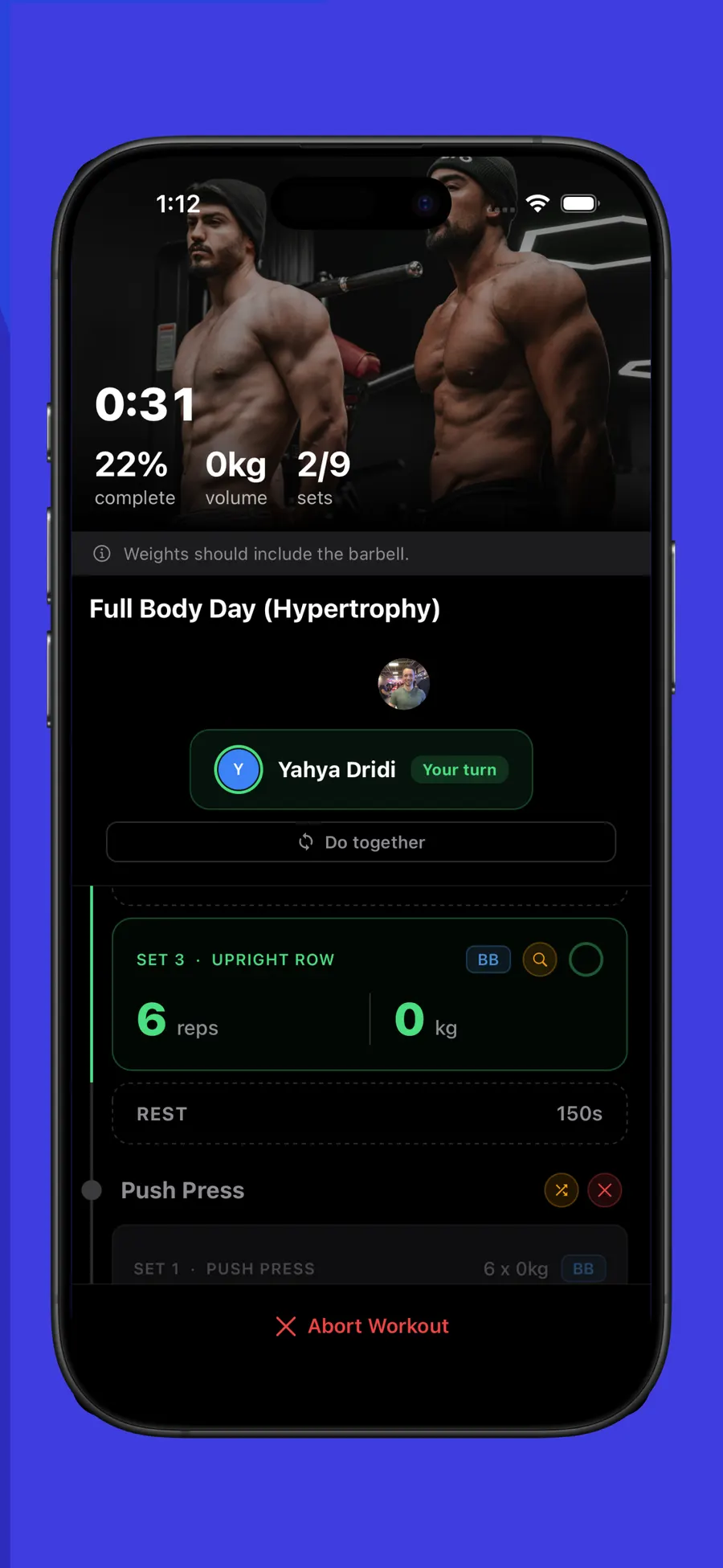
- Suivi des entraînements
- Saisie des séries, répétitions et charges
- Bibliothèque d'exercices
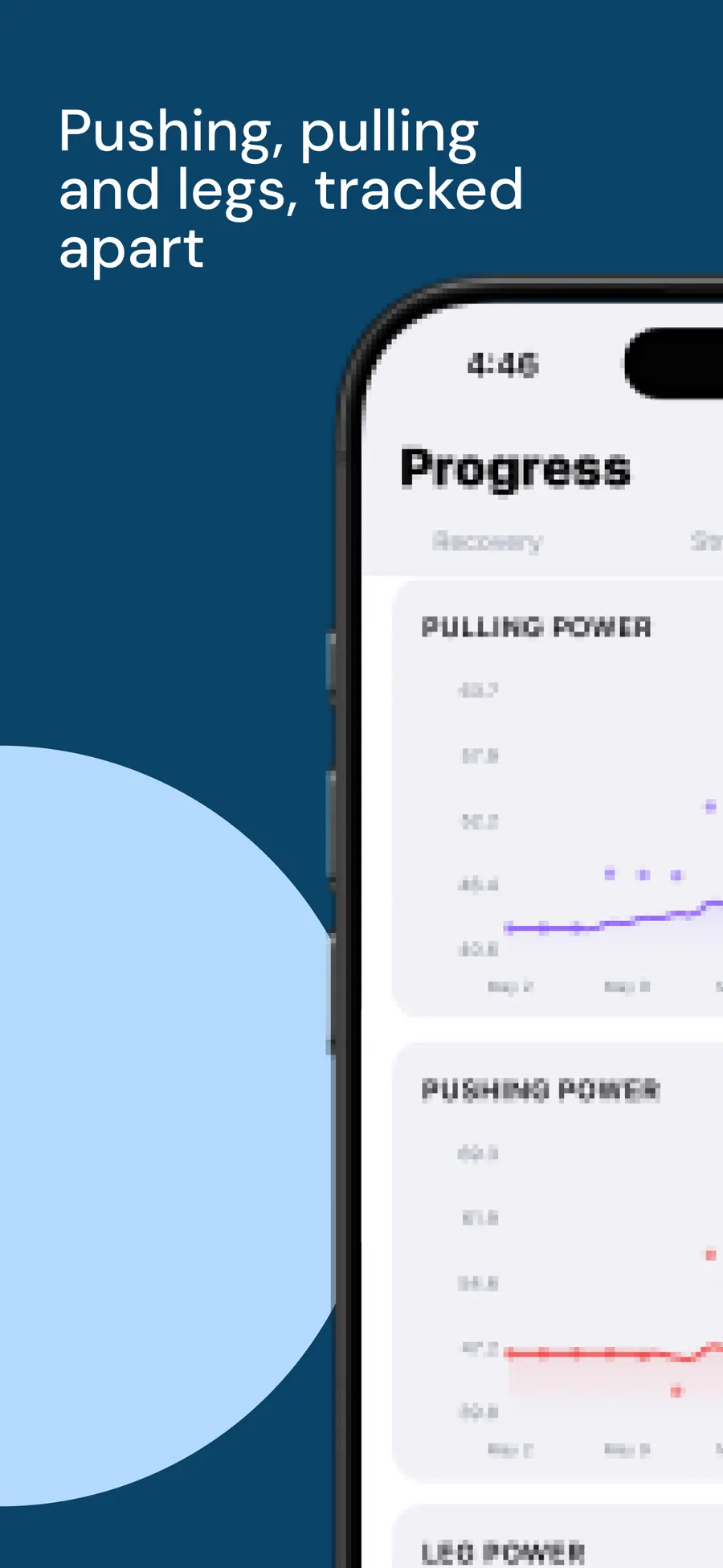
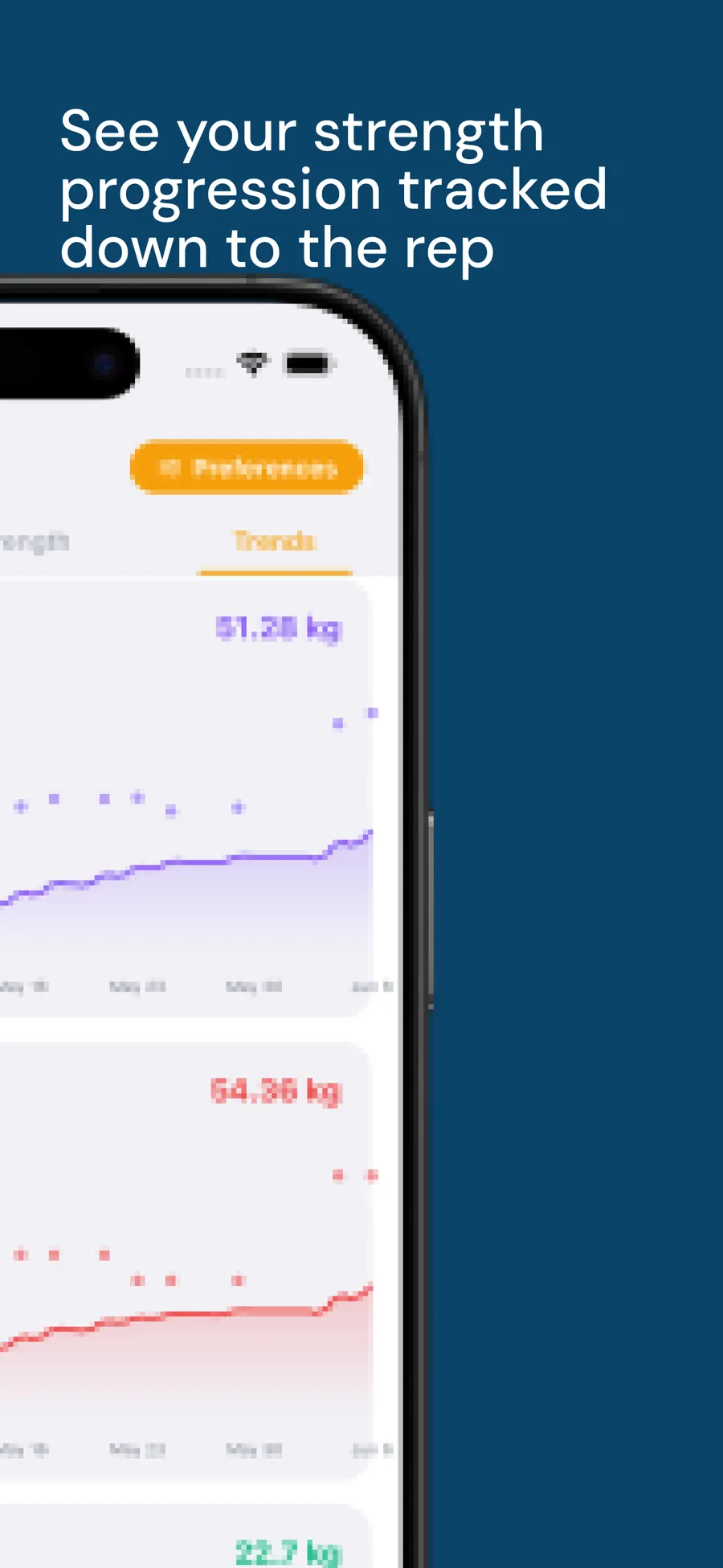
- Graphiques de volume et d'historique
- Minuteurs de repos
- Badges de records personnels
- Estimation des calories
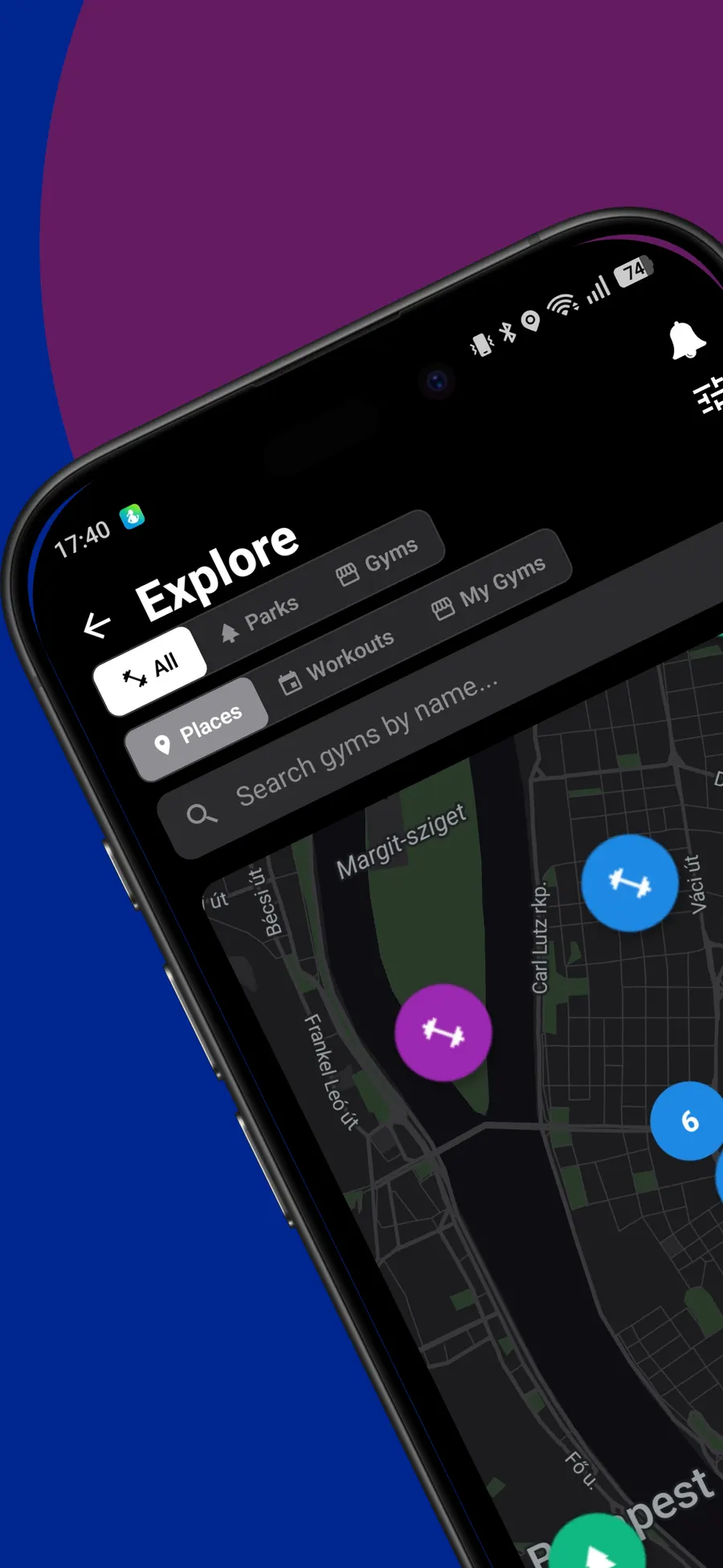
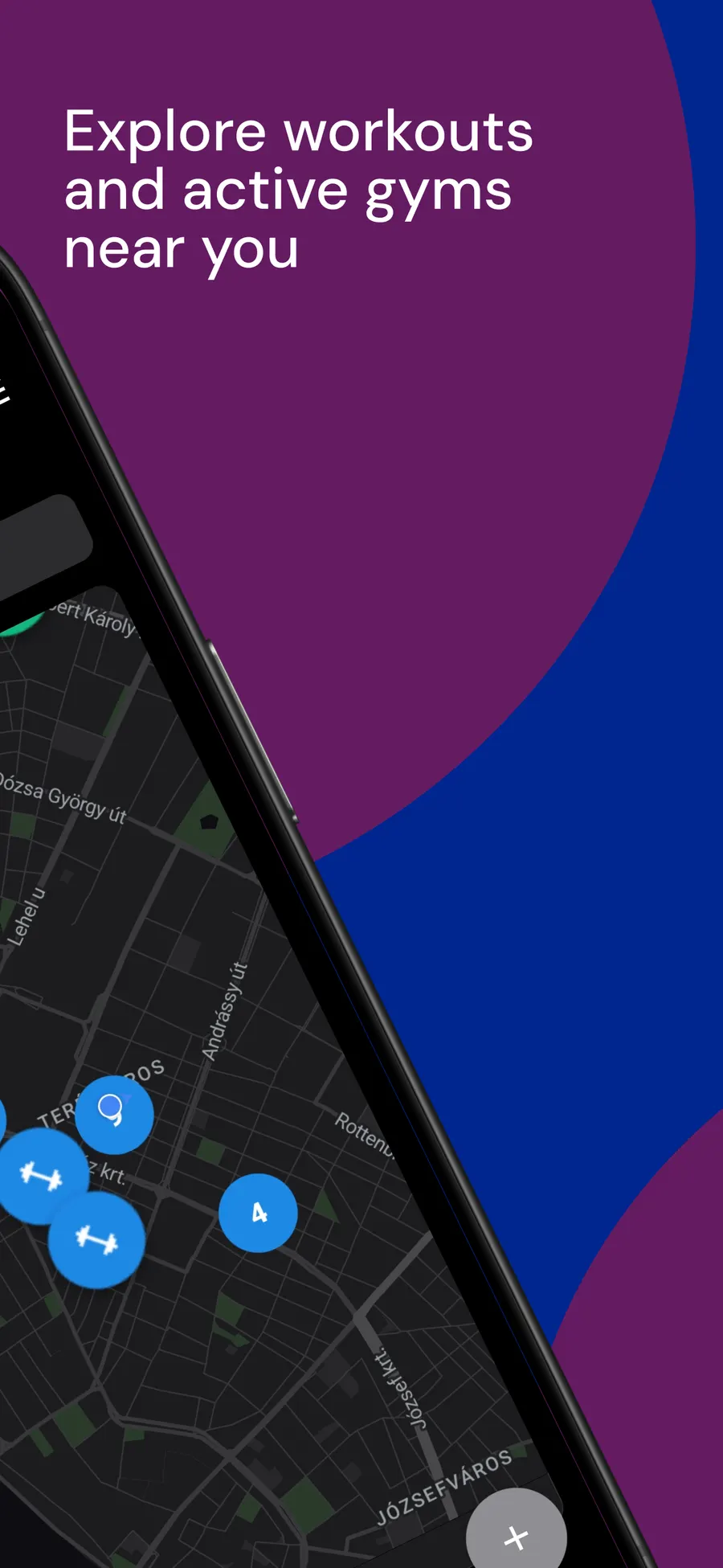
- Passionnés de musculation et de calisthénie près de chez toi
- Rejoins ou organise une séance en un clic
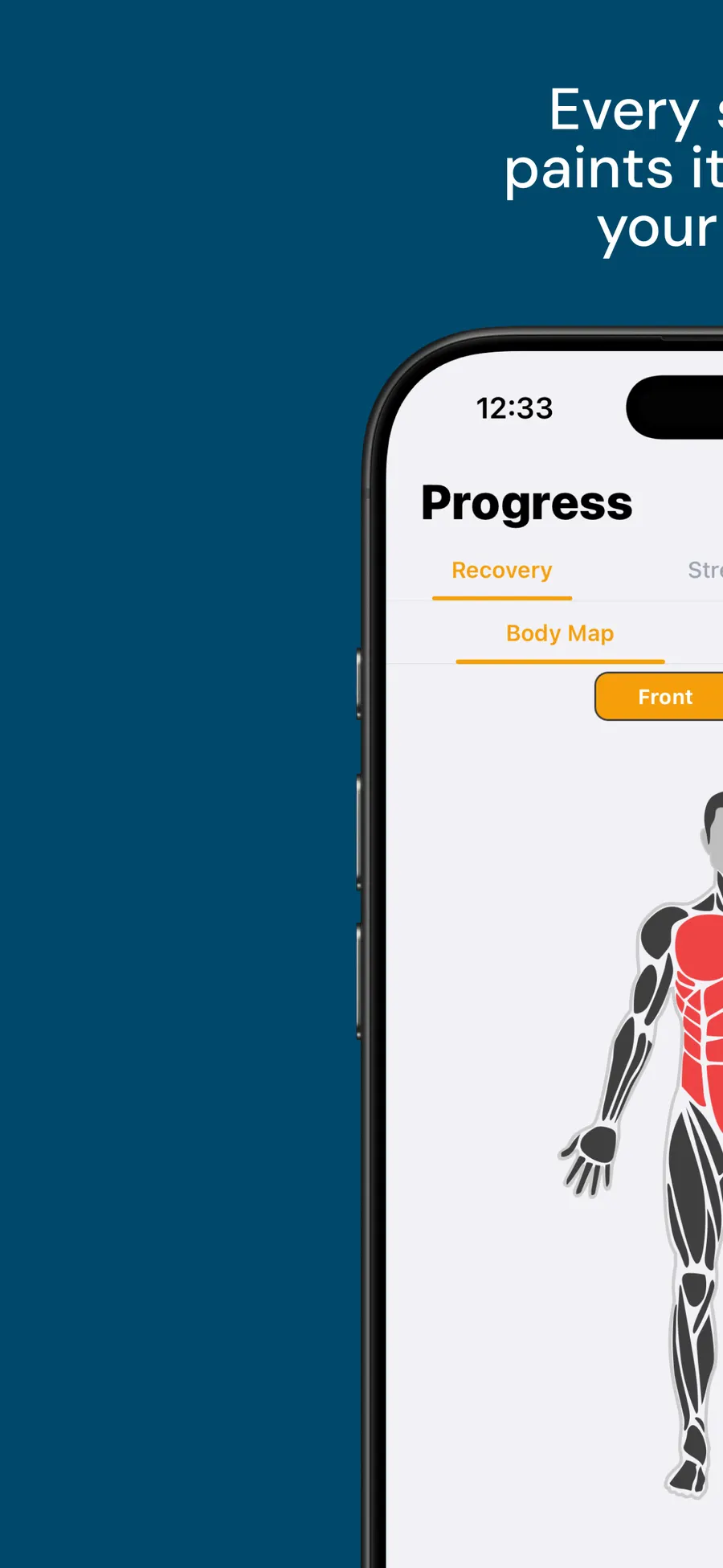
- Entraînement basé sur la récup pour 19 muscles
- Un moteur premium scientifique qui planifie ta prochaine séance
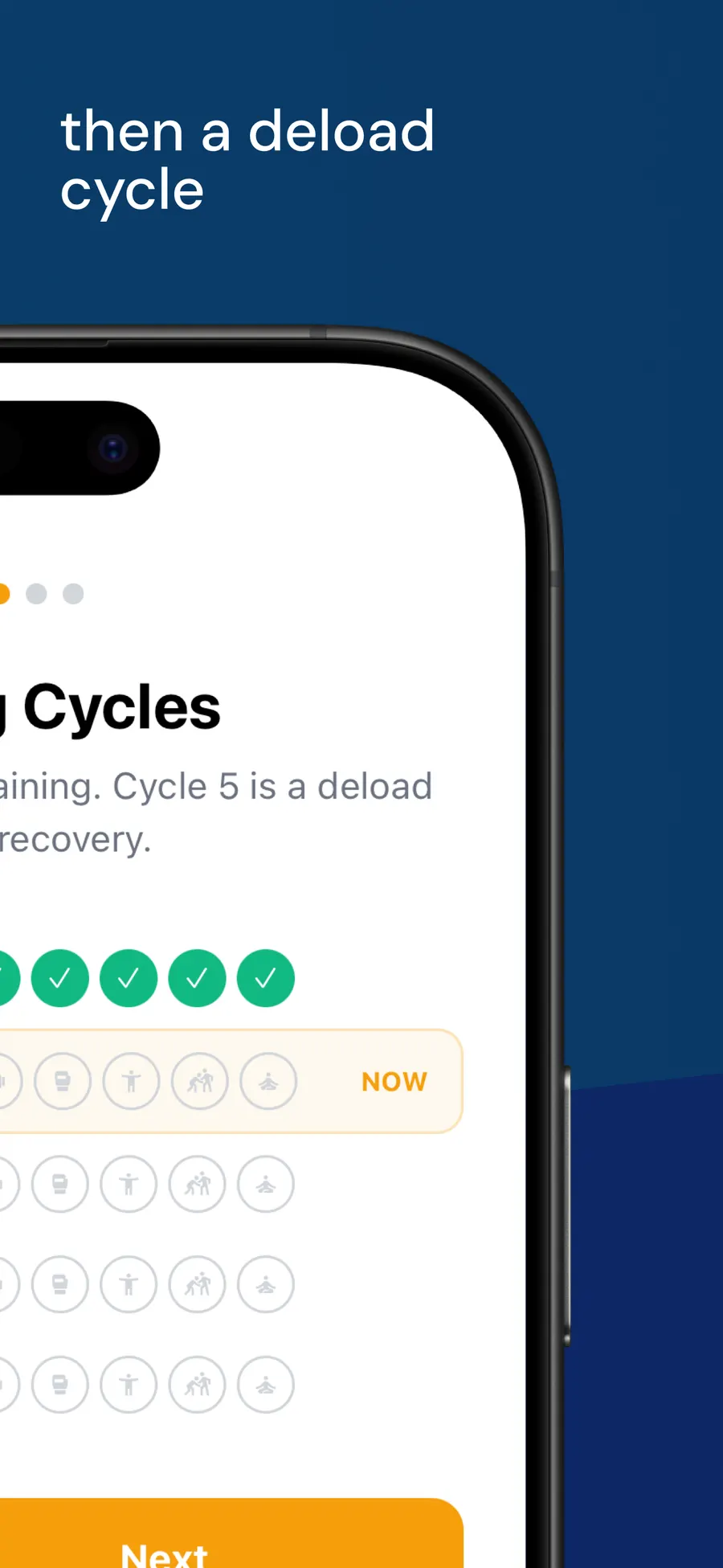
- Programmes premium avec surcharge progressive et deloads intégrés
Commencez en 3 étapes simples
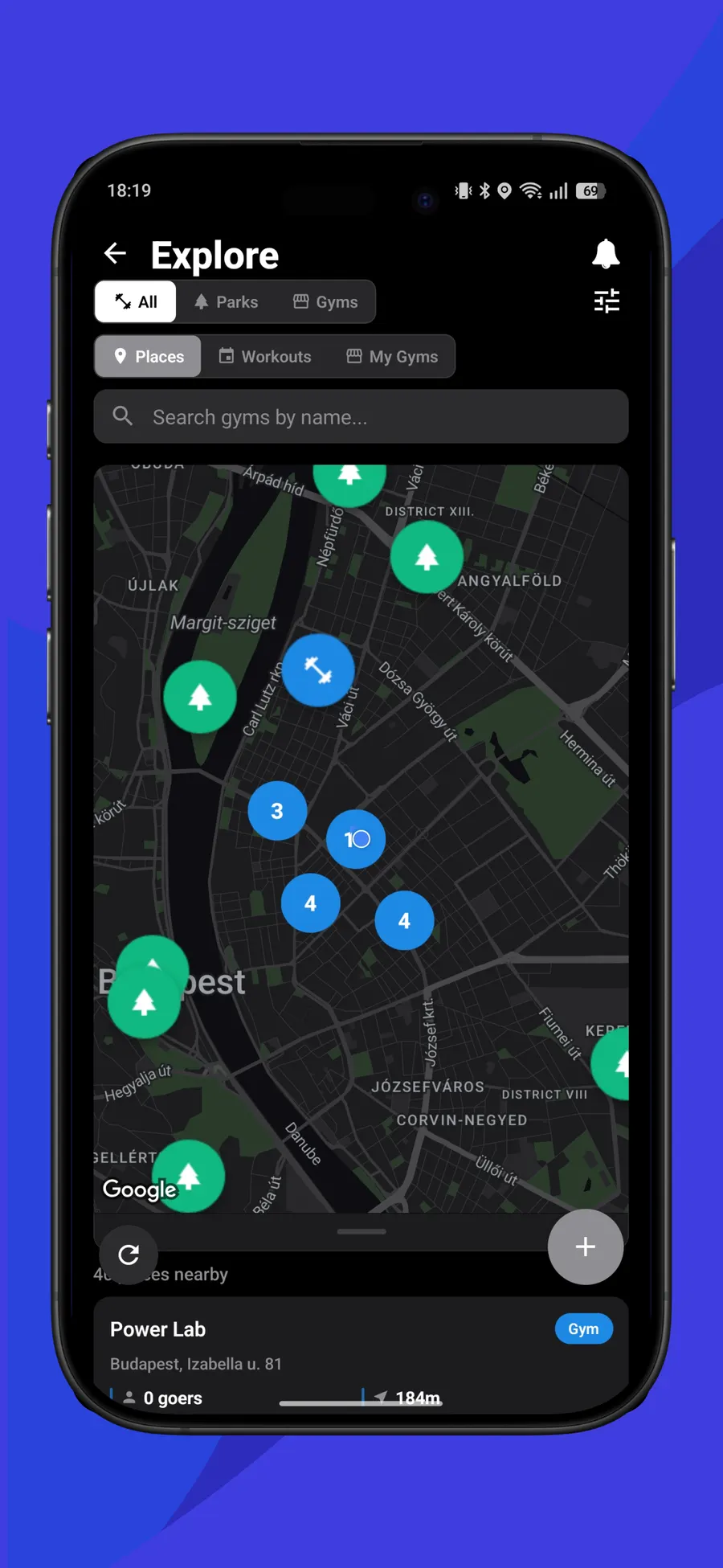
Créez une séance dans une salle de sport ou un parc
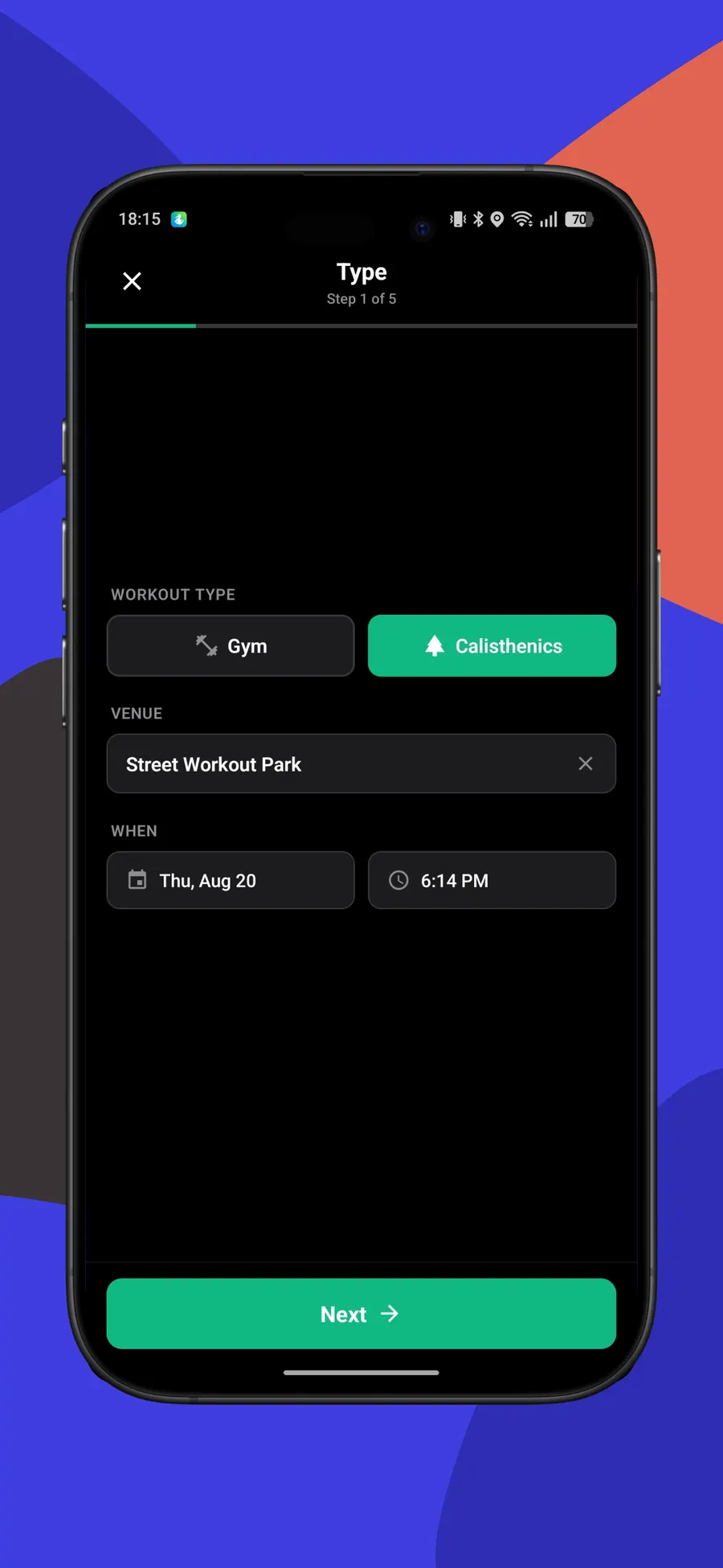
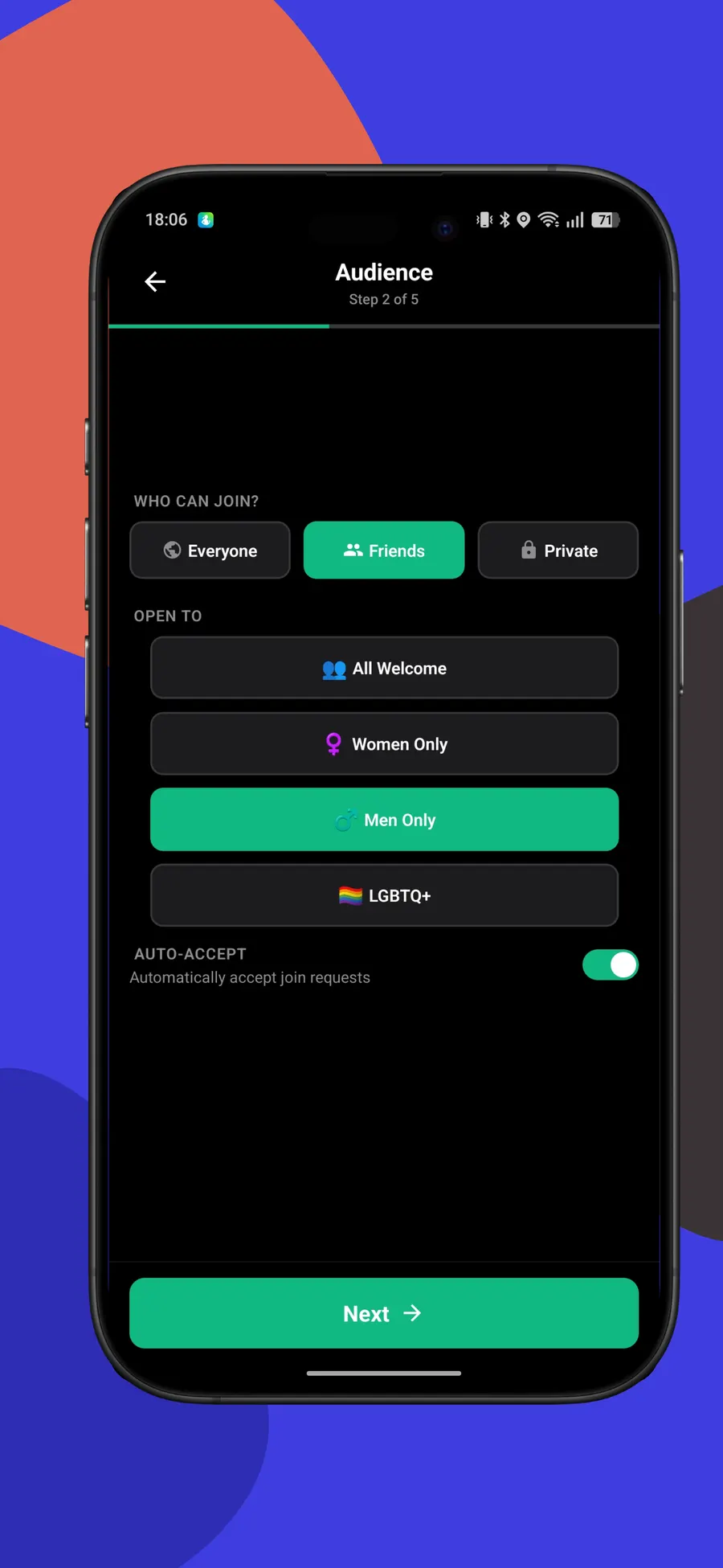
Choisissez précisément qui peut participer
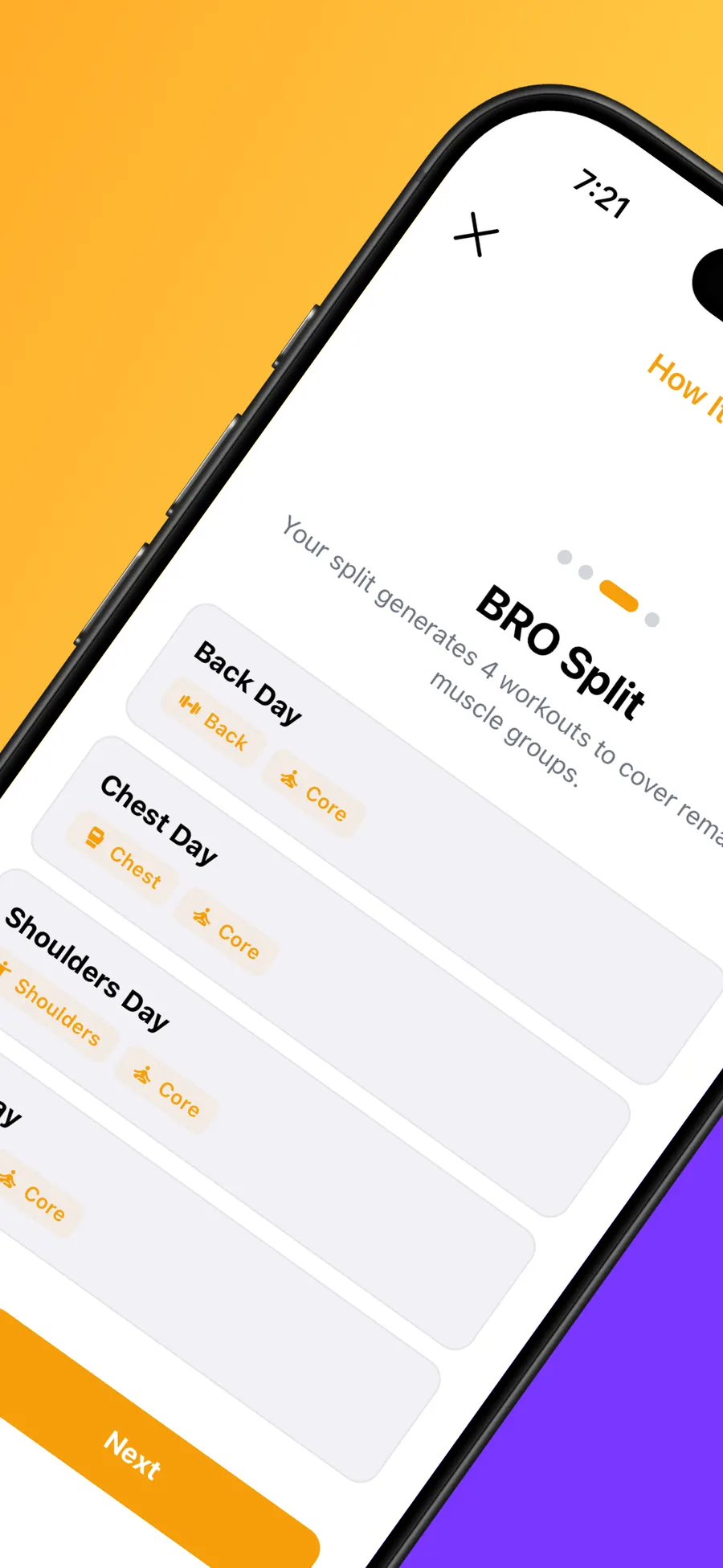
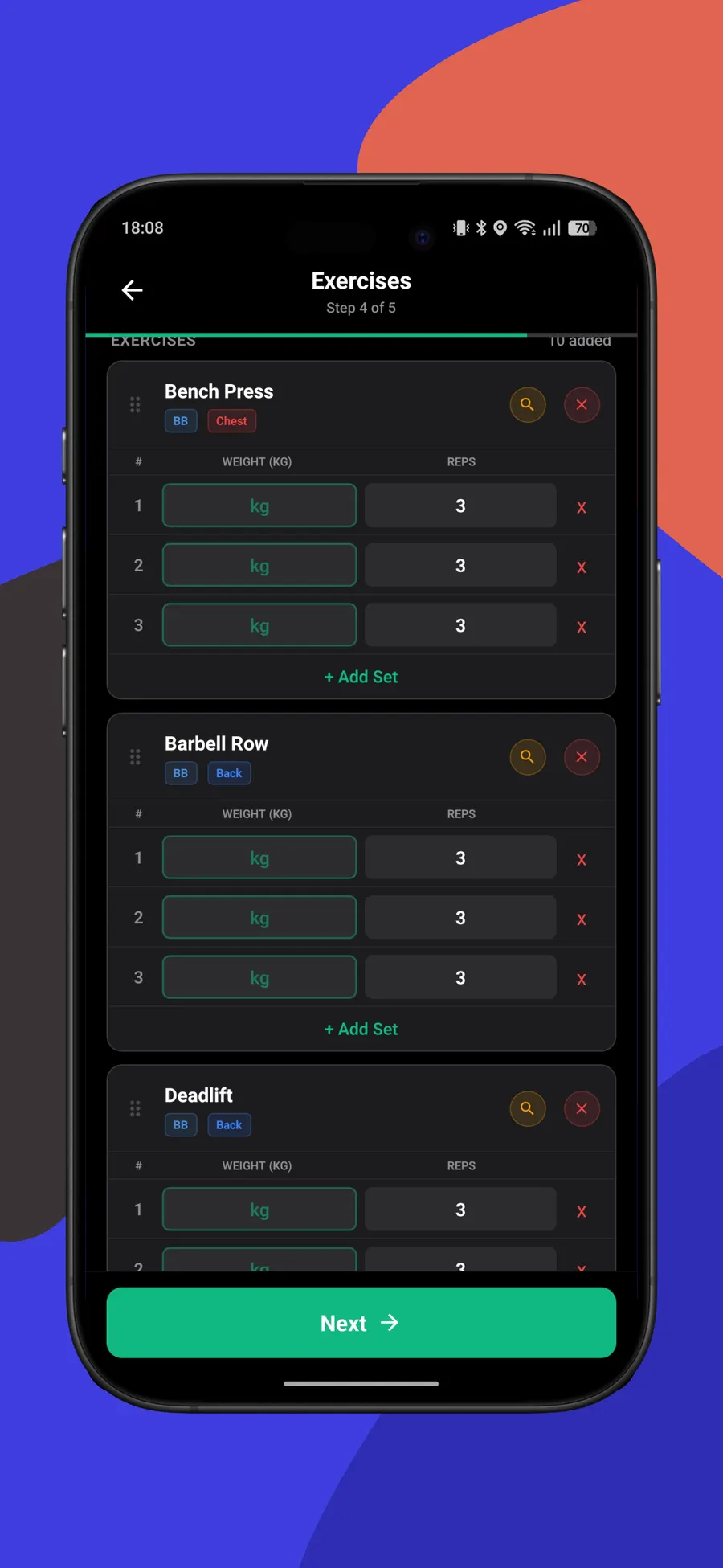
Définissez les exercices, les séries et les réps
Plus de Workout With Me
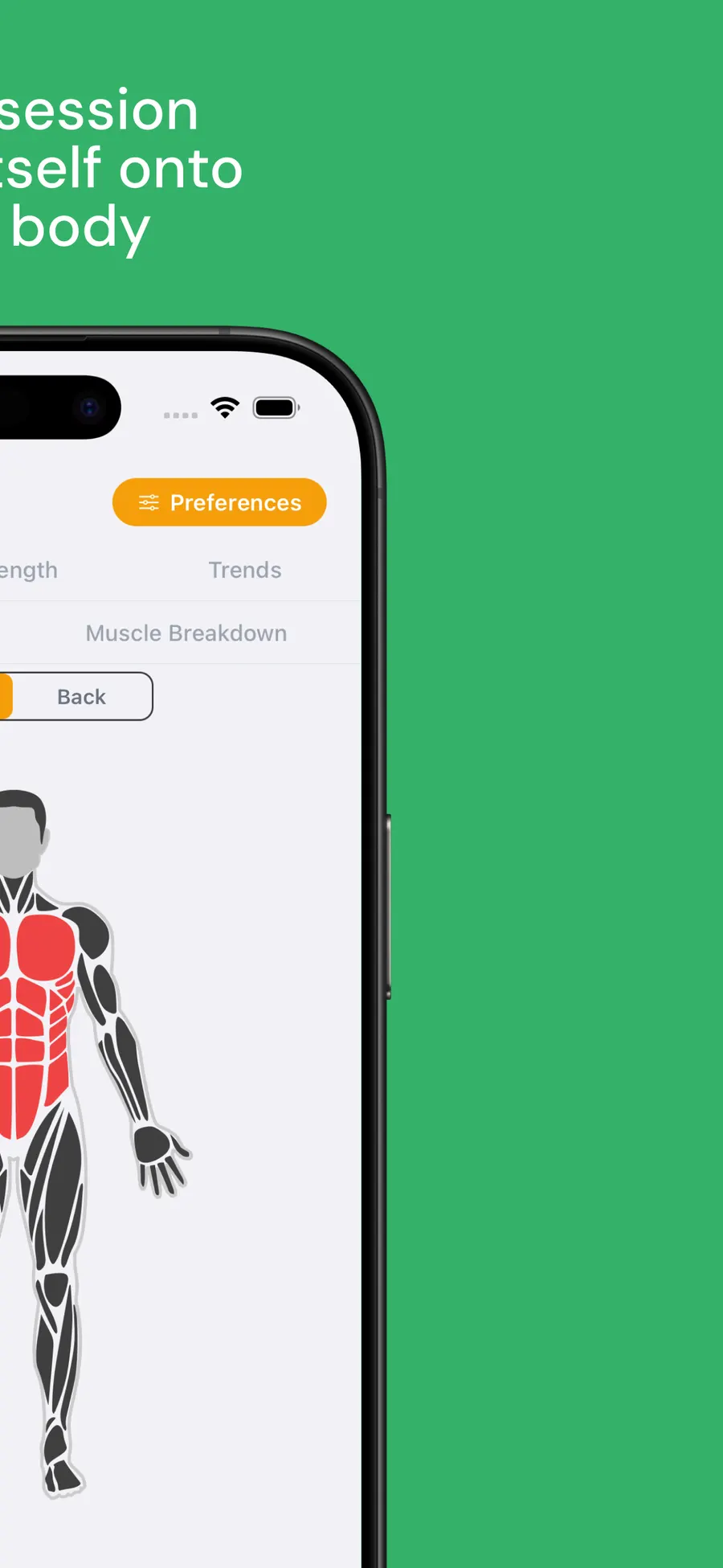
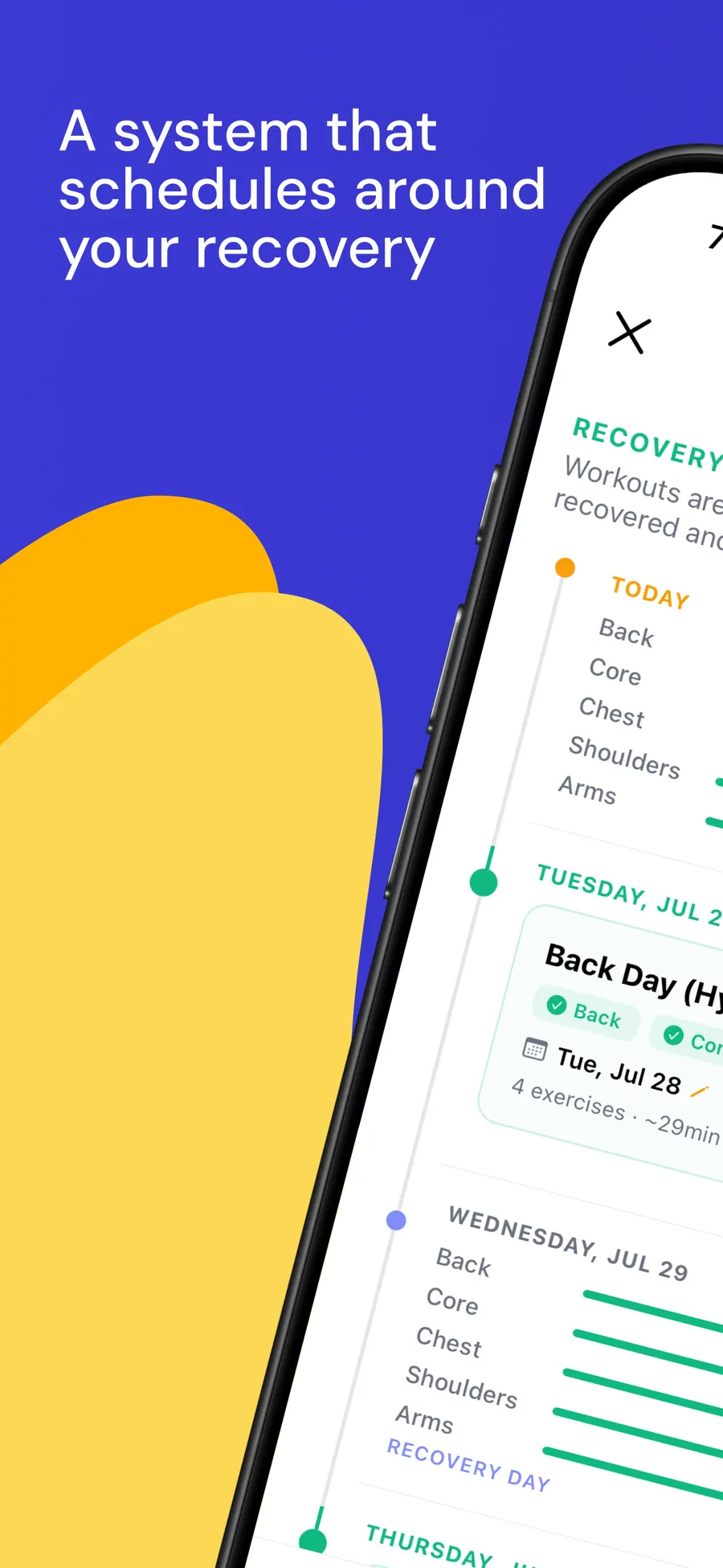
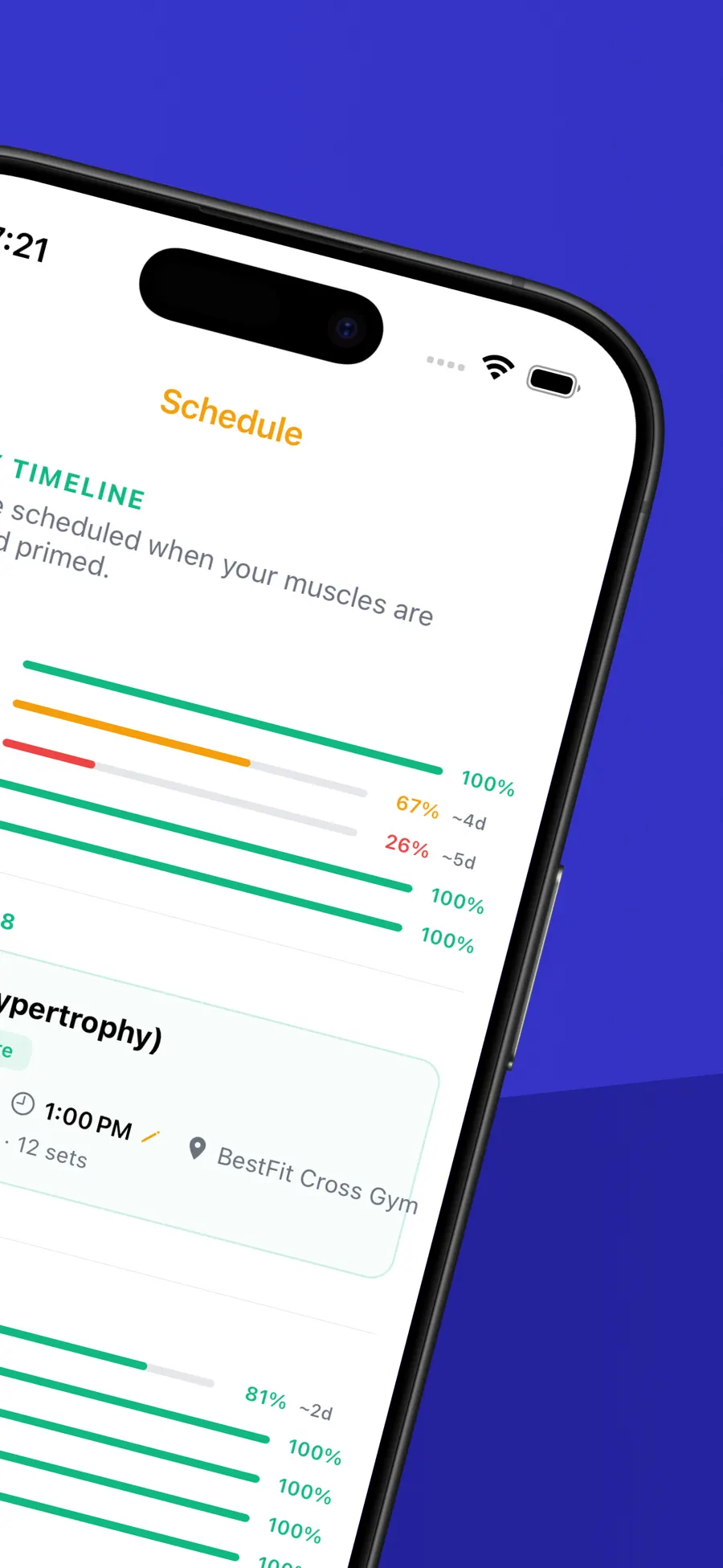
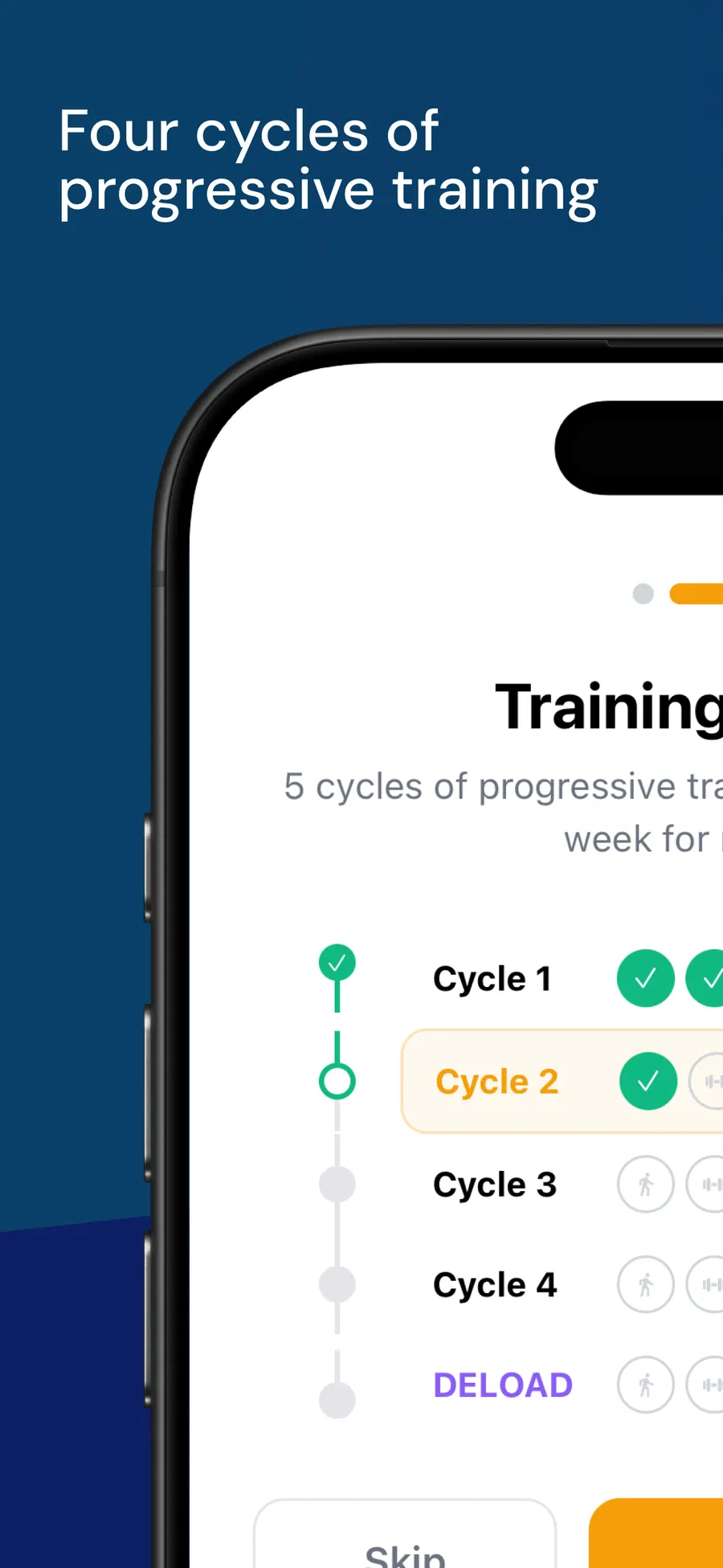
Entraînez-vous et notez vos perfs ensemble
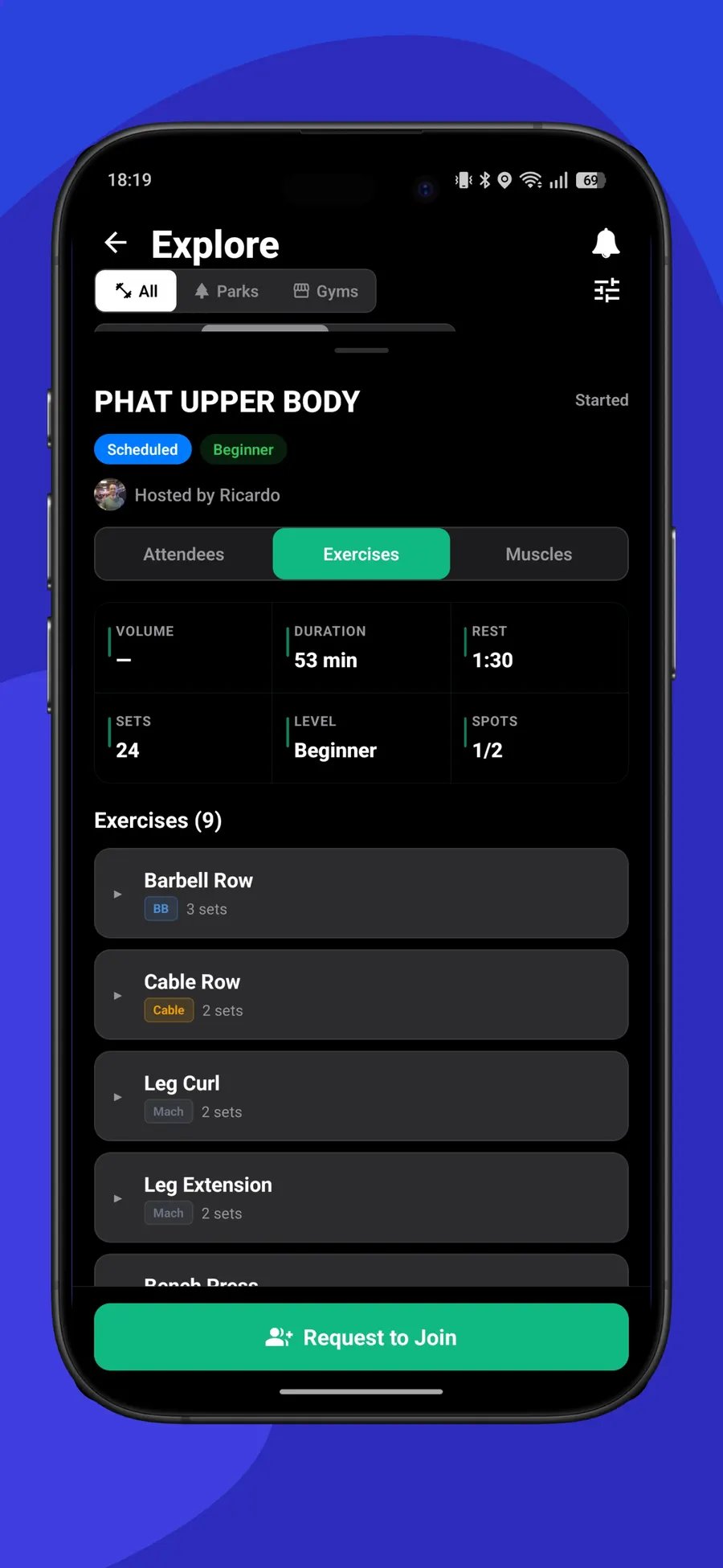
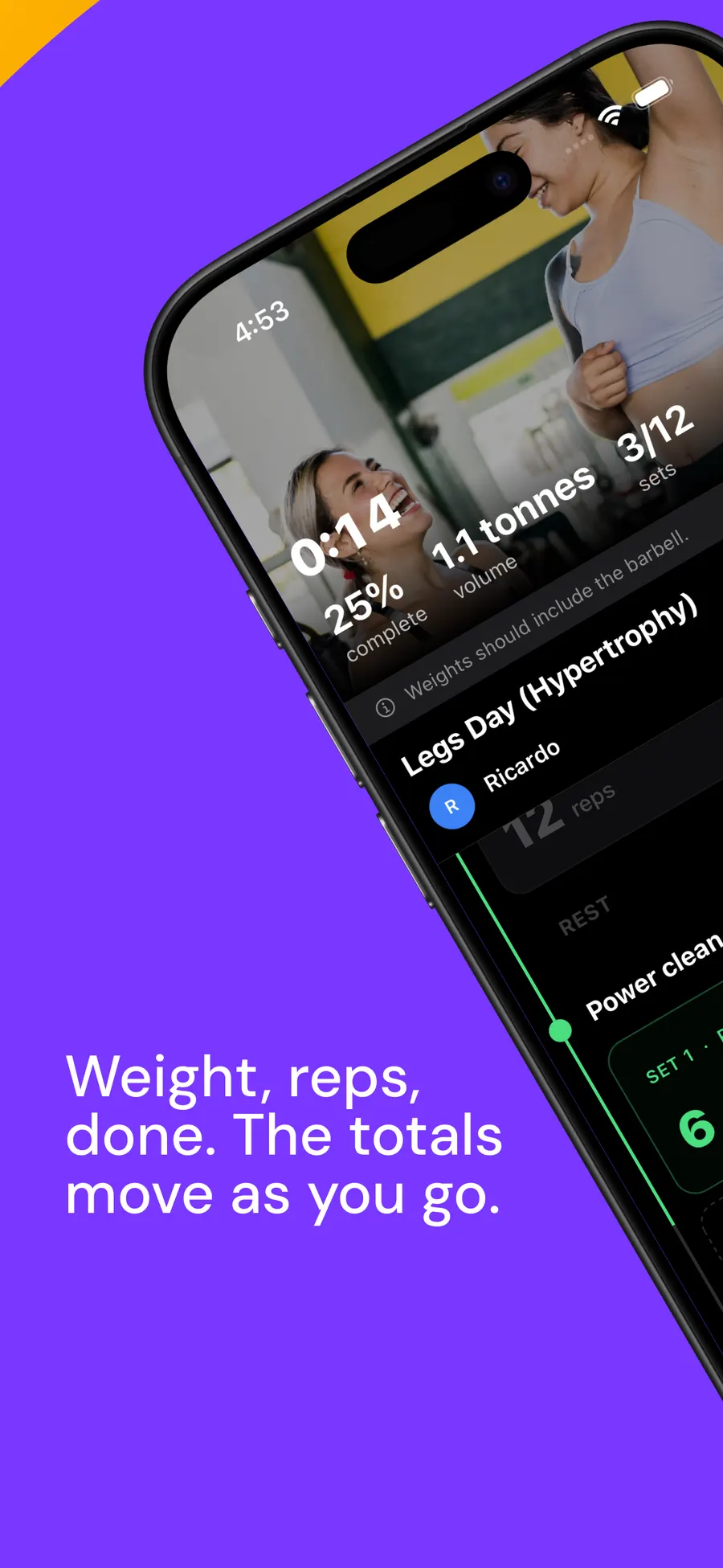
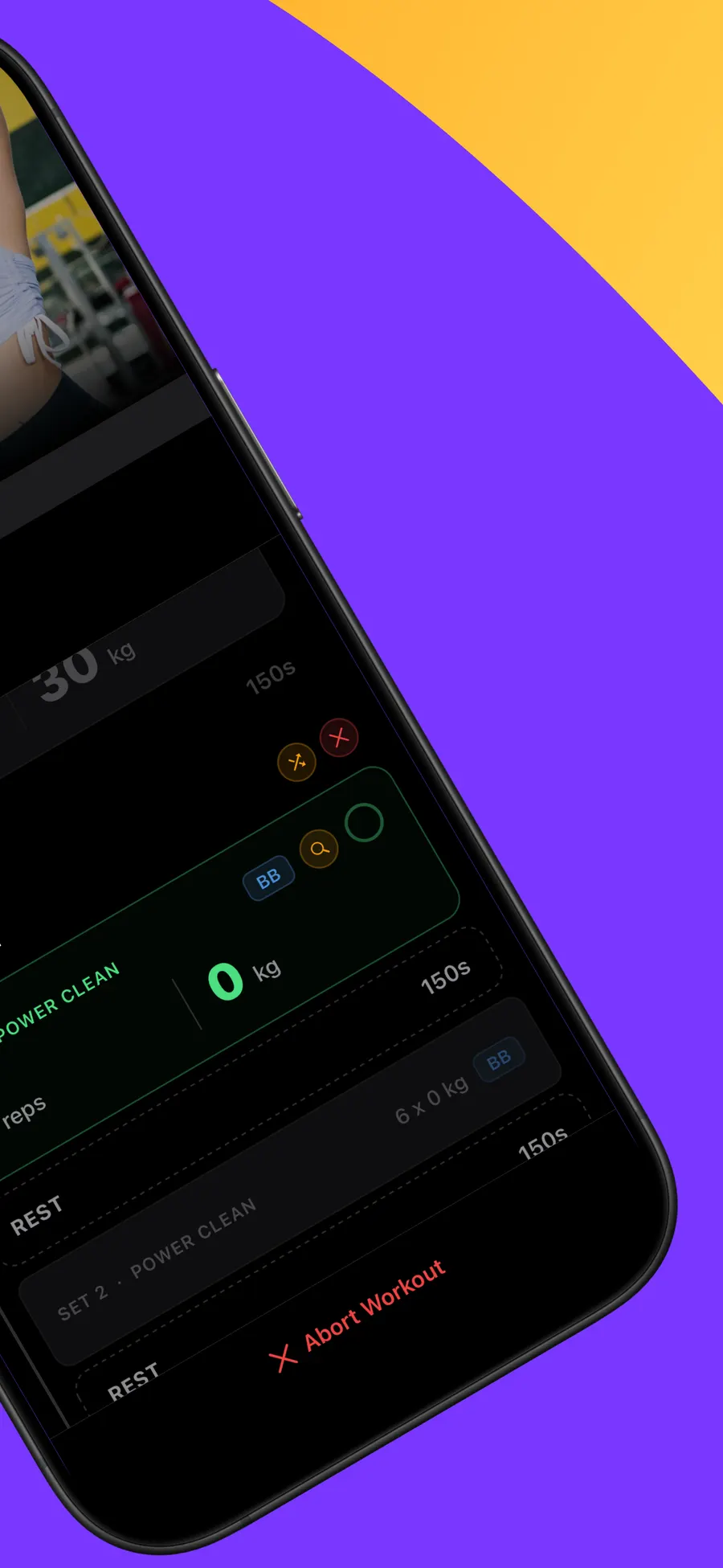
Tout le monde se connecte à la même séance en direct : les séries, les temps de repos et les totaux se synchronisent pendant l'effort.
Continuez à explorer Workout With Me
Points clés à retenir
- La callisthénie est un entraînement de force au poids du corps basé sur les tractions, les dips, les pompes, les rowings et les squats.
- Tu progresses en passant à des variantes plus difficiles, en ajoutant des répétitions, en changeant le tempo, ou en ajoutant du poids.
- Ça construit du vrai muscle parce que la croissance vient de la tension et de la surcharge progressive, pas de l'équipement.
- Workout With Me suit tes séries, tes répétitions, tes variantes et tes records personnels en temps réel.
- La carte en direct montre les séances dans les parcs et les salles à proximité pour que tu puisses t'entraîner en groupe, gratuit sur iOS et Android.
Qu'est-ce qu'un la callisthénie ?
Un entraînement de force qui utilise le poids du corps comme résistance, avec une progression vers des variantes de mouvement plus difficiles, des tractions et des dips jusqu'à des compétences comme le muscle-up et le pistol squat.
Ton corps est ton équipement. La callisthénie développe la force en utilisant le poids du corps : tractions, dips, pompes, rowings, squats, et les variantes plus difficiles qui en découlent. Une barre de traction et un peu d'espace au sol suffisent pour t'entraîner sérieusement, que ce soit dans un parc, une structure de callisthénie ou ton salon.
La progression, c'est une échelle de variantes. Tu ne peux pas ajouter de disques à une pompe, alors tu changes le mouvement à la place. Les pompes mènent vers les dips et les pompes en équilibre, les rowings et les tractions mènent vers le muscle-up, les squats mènent vers les pistols. Quand une variante devient facile, tu montes à l'échelon suivant. C'est la surcharge progressive sans barre.
Oui, ça construit du vrai muscle. Le muscle grossit grâce à la tension et à la surcharge constante, pas à un équipement en particulier. Ajoute des répétitions, ralentis le tempo, réduis le repos, ou ajoute du poids avec un gilet ou une ceinture, et la callisthénie construit du volume et de la force tout comme la musculation avec poids. La clé, comme toujours, c'est le suivi pour continuer à progresser.
Suis tes répétitions, ton tempo et tes progressions. Enregistre tes séries, tes répétitions et la variante atteinte en temps réel. L'appli suit ton volume et tes records personnels pour que tu voies exactement quand une progression est prête à avancer, au lieu de deviner de mémoire.
Entraîne-toi avec un groupe au parc. La callisthénie est un sport communautaire, et s'entraîner avec d'autres fait progresser tes compétences plus vite. La carte en direct de Workout With Me montre les séances dans les parcs et les salles près de toi. Rejoins un groupe, organise ta propre séance, et connecte-toi avec des gens qui travaillent les mêmes compétences.